
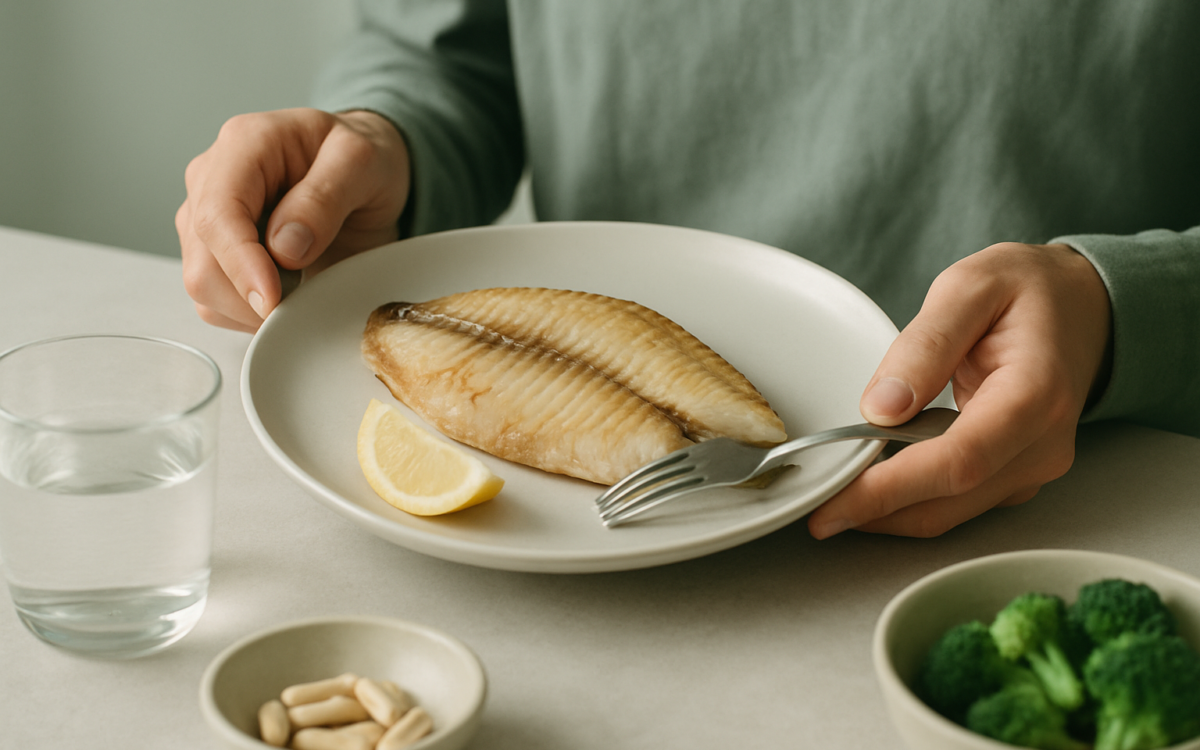
With its mild flavor and light texture, tilapia has become a staple in kitchens around the world. But as more people aim for healthier diets, you may wonder: is tilapia healthy? This article will explore the nutritional value of tilapia, potential benefits, and concerns to help you make an informed choice.
What is Tilapia?
Tilapia isn’t just one type of fish; it refers to several species of freshwater fish from the tilapiine cichlid family. Known for its affordability and versatility, tilapia is widely farmed and available in grocery stores and restaurants. With its mild taste, it can be easily flavored with a variety of seasonings and is often used in many cultural dishes.
Nutritional Profile of Tilapia
When considering whether to include tilapia in your diet, it’s essential to examine its nutritional composition. A standard 3-ounce serving of cooked tilapia typically contains:
- Approximately 110 calories
- About 23 grams of protein
- 2.3 grams of fat, including some omega-3 fatty acids
- Less than 1 gram of carbohydrates
- Rich in vitamins and minerals like vitamin B12, selenium, and phosphorus
Compared to other fish, tilapia is lower in fat, including heart-healthy omega-3 fatty acids, making it a lean protein option. However, it is noteworthy that tilapia contains higher omega-6 fatty acids, which can contribute to inflammation when consumed in excess and not balanced by omega-3 intake.
Health Benefits of Eating Tilapia
Including tilapia in your diet may offer several health benefits:
1. High in Protein
Protein is vital for many functions in your body, including muscle repair, immune function, and hormone production. Tilapia provides a significant protein boost with relatively low calories, making it a good choice for those looking to manage their weight and maintain muscle mass.
2. Low in Calories
For individuals aiming to lose weight or maintain a healthy weight, tilapia is an ideal addition. Its low calorie count makes it easier to fit into a balanced diet without compromising on satiety.
3. Rich in Essential Nutrients
Tilapia is a good source of essential nutrients. One serving provides around 50% of the recommended daily intake of vitamin B12, important for nerve function and blood cell production. Additionally, selenium found in tilapia acts as an antioxidant, supporting your immune system.
Environmental and Sustainability Concerns
As with many seafood options, there are environmental considerations regarding tilapia. Most tilapia available today is farmed. Fish farming sustainability practices vary widely, so it’s essential to look for sources that adhere to responsible farming methods. Over-farming can lead to pollution and habitat destruction, affecting local ecosystems.
When purchasing tilapia, consider looking for certifications from the Food and Agriculture Organization (FAO) or the Marine Stewardship Council (MSC) that indicate sustainable practices. Prioritizing sustainably sourced fish can help protect aquatic environments.
Potential Risks and Concerns
While tilapia can be a healthy choice, there are potential concerns:
1. Omega-6 Fatty Acids
As mentioned, tilapia has a higher omega-6 fatty acid content compared to omega-3s. While some fats are essential for health, a significant imbalance between omega-6 and omega-3 fatty acids in your diet may lead to health issues, including chronic inflammation.
2. Contaminants
Like many fish, tilapia can accumulate toxins found in water, depending on its environment. Farmed tilapia can sometimes be exposed to pollutants, such as heavy metals or pesticides. It is advisable to source tilapia from trusted suppliers that test their products for harmful contaminants.
How to Prepare and Enjoy Tilapia
Tilapia can be cooked in various ways: baked, grilled, or pan-seared. Its versatility allows it to take on numerous flavors, from spicy seasonings to light citrus marinades. Here are some popular preparation methods:
- Baked Tilapia: Season with lemon, garlic, and herbs, then bake until flaky.
- Grilled Tilapia: Marinate and then grill for a smoky flavor.
- Pan-Seared Tilapia: Cook with a little olive oil for a quick and easy meal.
- Tilapia Tacos: Flake cooked fish into tortillas with fresh veggies and salsa.
Combining tilapia with whole grains, vegetables, or legumes can create a balanced meal rich in various nutrients.
When to See a Doctor
If you have concerns about consuming fish, especially if you are pregnant, nursing, or have specific health conditions affecting your diet, it’s wise to consult a healthcare professional. They can guide you on the best dietary choices for your circumstances.
Conclusion
In conclusion, tilapia can be a healthy addition to your diet when consumed responsibly and sourced sustainably. It provides a high-quality protein source with essential nutrients and is low in calories. However, it’s crucial to be aware of the potential risks associated with omega-6 fatty acids and contaminants. As with any food, balance is key. Incorporating various fish and other protein sources can help ensure a well-rounded diet. Always consider consulting a healthcare provider for personalized advice on your nutrition and dietary choices.
