
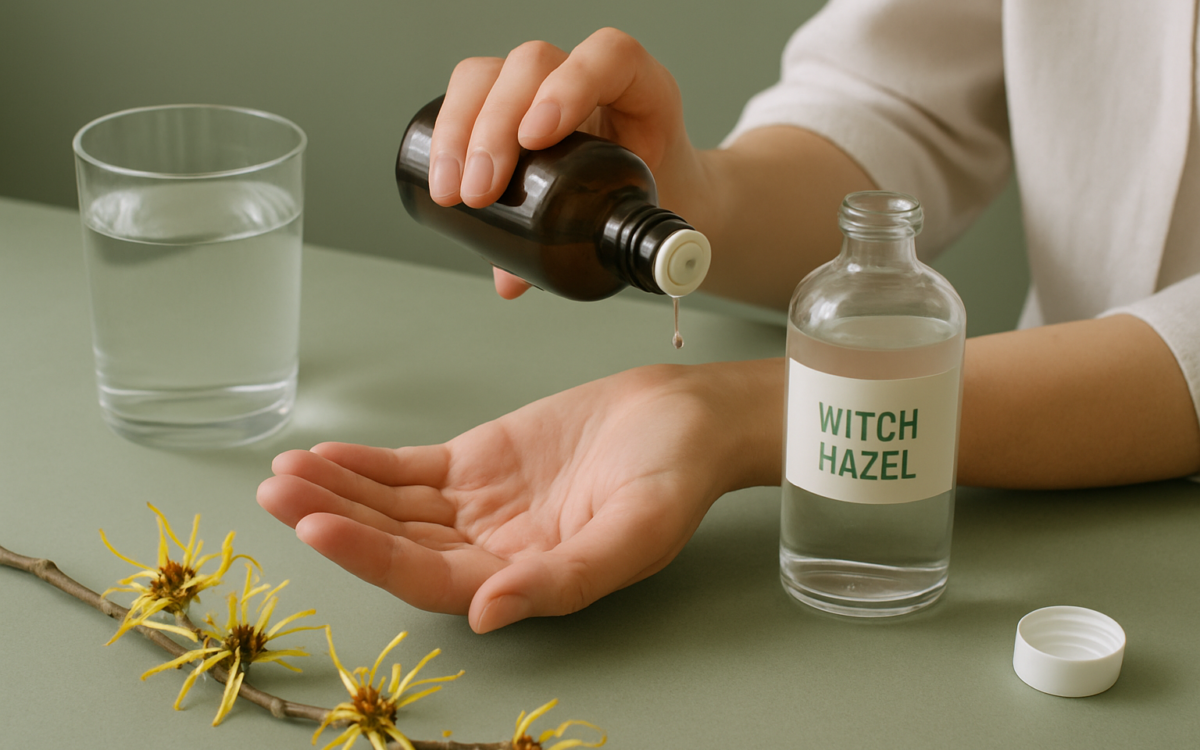
Witch hazel is gaining popularity as a natural remedy, but many people still wonder: what is witch hazel used for? Extracted from the bark and leaves of the witch hazel shrub, this herbal remedy is celebrated for its soothing properties and versatility, making it a staple in many households. Understanding its various applications can help you decide whether witch hazel is the right addition to your wellness routine.
What Is Witch Hazel?
Witch hazel (Hamamelis virginiana) is a plant native to North America. The distilled extract is often used in skin care and medicinal products. Most commonly available in liquid form, witch hazel is prized for its potential therapeutic benefits.
Uses of Witch Hazel
Witch hazel is used in several ways, particularly in the realms of skin care and home remedies. Here are some common applications:
1. Skin Care
One of the primary uses of witch hazel is for skin care. It acts as a natural astringent, helping to cleanse the skin and reduce oiliness. It’s often applied to:
- Minimize acne flare-ups
- Sooth minor cuts and burns
- Reduce inflammation and redness
- Help with conditions like eczema and psoriasis
Many people find that using witch hazel can leave their skin feeling refreshed and less oily. When applied, it tightens the skin, which may help reduce the appearance of pores.
2. Relief from Inflammation
Witch hazel’s anti-inflammatory properties make it effective for soothing various types of minor skin irritations. This includes:
- Insect bites
- Rashes
- Sunburns
Applying witch hazel to these areas can provide a cooling effect and may accelerate the healing process. Some studies suggest that compounds in witch hazel can help to lower swelling and ease discomfort, making it a go-to remedy for many.
3. Hemorrhoid Treatment
Witch hazel is often recommended for treating hemorrhoids, as it can reduce itching, discomfort, and swelling. Many over-the-counter products designed for hemorrhoid relief contain witch hazel due to its soothing properties. When applied topically, it can help provide quick relief, making it a popular choice.
4. Other Potential Uses
While the uses above are among the most common, witch hazel may also benefit other areas of health:
- Aftershave treatment for razor burn
- Reducing puffy eyes by applying soaked cotton pads
- As a natural deodorizer and a remedy for stinging symptoms caused by sweat
For those looking into international treatment options, visiting acibademinternational.com can provide insights into various natural remedies like witch hazel used in wellness programs around the globe.
How to Use Witch Hazel
Using witch hazel can be as simple as applying it directly to your skin. Generally, it is best to:
- Use a cotton ball or pad to apply the liquid to the affected area.
- Do a patch test to ensure you don’t have an allergic reaction.
- Start with a small amount to see how your skin reacts.
Many brands offer witch hazel products. Some are alcohol-free, which can be gentler on the skin. Always check the ingredient list, especially if you have sensitive skin.
Possible Side Effects
While witch hazel is generally safe for most people, some may experience side effects, especially if they have sensitive skin. These can include:
- Dryness or irritation
- Allergic reactions (rare)
- Redness in sensitive areas
It’s always a good approach to consult with a healthcare professional before starting any new treatment.
When to See a Doctor
While witch hazel can provide relief for minor ailments, you should see a doctor if you experience:
- Worsening symptoms despite treatment
- Severe skin reactions or an allergic response
- Persistent irritation that does not improve
Your doctor can offer more effective treatments tailored to your specific needs and ensure that any underlying issues are properly addressed.
Conclusion
Your wellness journey can benefit from exploring the many uses of witch hazel. From soothing skin irritations to providing relief from inflammation, this versatile remedy is a valuable addition to your health toolkit. As always, consider consulting with a healthcare professional, especially if you have existing health conditions or if you’re unsure of how to incorporate witch hazel into your daily routines.
