
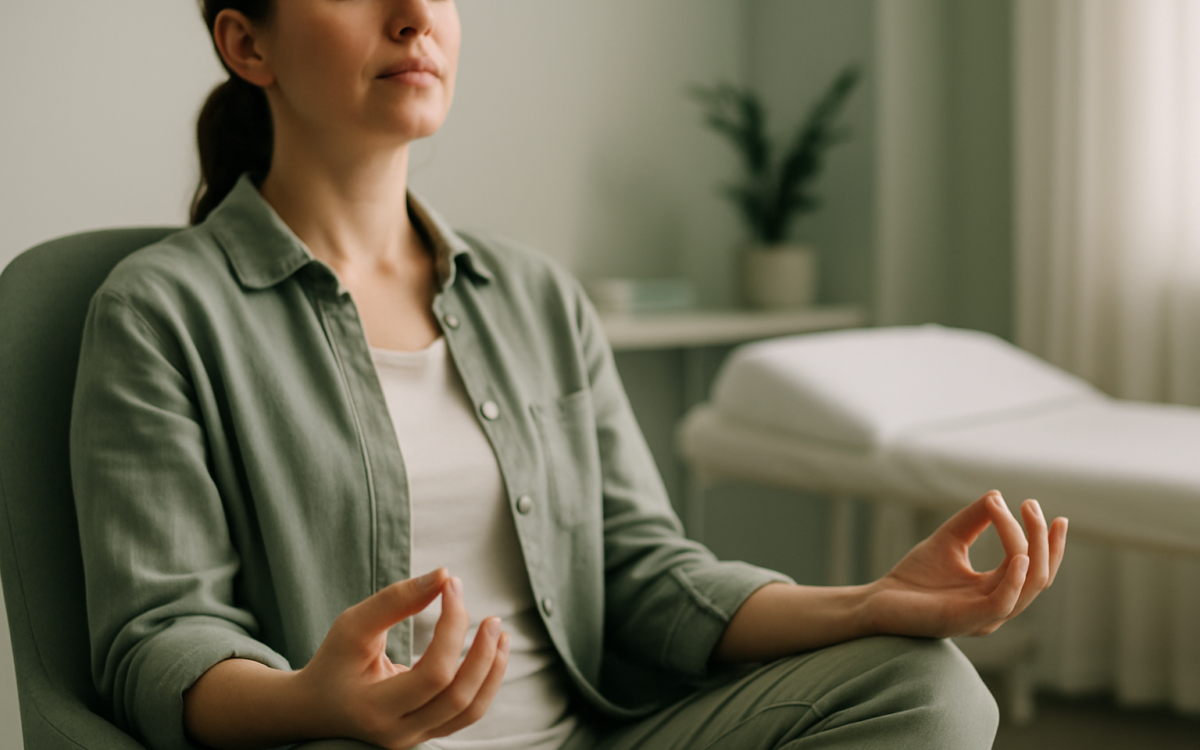
In our fast-paced world, stress can feel like a constant companion. Whether it’s work, family responsibilities, or the never-ending stream of information, many of us struggle to find time to unwind. Thankfully, there are numerous relaxation techniques that can help reduce stress and promote a sense of well-being. In this article, we will explore various methods that you can incorporate into your daily routine to help you find your calm amidst the chaos.
Understanding Stress and Its Effects
Stress is your body’s natural response to challenges or demands. When experienced periodically, stress can be beneficial, motivating you to meet deadlines or perform well. However, chronic stress can lead to a range of physical and mental health issues including anxiety, depression, heart disease, and a weakened immune system. The good news is, relaxation techniques can help mitigate these effects and improve your overall health.
Deep Breathing Exercises
Deep breathing is a simple but powerful relaxation technique that can quickly calm your mind and body. The goal is to focus on taking slow, deep breaths, which can lower heart rate and reduce feelings of anxiety. Here’s how to practice deep breathing:
- Find a quiet and comfortable place to sit or lie down.
- Close your eyes and inhale deeply through your nose, allowing your abdomen to expand.
- Hold your breath for a few seconds.
- Exhale slowly through your mouth, visualizing tension leaving your body.
- Repeat this process for 5-10 minutes.
For more detailed techniques, the NIH provides an excellent resource on the benefits of breathing exercises in stress reduction.
Mindfulness and Meditation
Mindfulness is the practice of being present in the moment without judgment. It encourages self-awareness and can significantly reduce stress levels. Meditation is a popular mindfulness technique. Here’s a basic method to get started:
- Find a comfortable place where you won’t be disturbed.
- Set a timer for 5-10 minutes.
- Close your eyes and focus on your breath or a mantra.
- If your mind wanders, gently bring your attention back to your breath or mantra.
Over time, you may wish to extend your meditation sessions. Resources such as the World Health Organization are invaluable for guidance on mental health practices, including mindfulness.
Progressive Muscle Relaxation
Progressive muscle relaxation (PMR) is a technique that involves tensing and relaxing different muscle groups to reduce physical stress. This method not only promotes relaxation but also enhances self-awareness of your body. To practice PMR, follow these steps:
- Find a quiet space and sit or lie down comfortably.
- Starting from your toes, tense the muscles for 5 seconds, then release.
- Move to your calves and repeat the tensing and releasing.
- Continue this pattern up to your head, including every muscle group.
Many practitioners have found PMR to be an effective way to alleviate symptoms of anxiety and stress. It’s recommended by the Mayo Clinic as part of a comprehensive approach to managing stress.
Guided Imagery
Guided imagery is a technique that involves visualizing a peaceful scene or scenario to promote relaxation. This technique taps into your creativity and imagination to help you relax. Here’s how to use guided imagery:
- Close your eyes and take a few deep breaths.
- Imagine a place where you feel safe and relaxed—such as a beach or a serene forest.
- Focus on the details of this place: what you see, hear, and feel.
- Spend a few minutes enveloped in this peaceful imagery.
Supporting these techniques, studies published in reputable journals have shown that guided imagery can effectively reduce stress levels and emotional distress.
Physical Activity and Relaxation
Physical activity, whether it’s a brisk walk, yoga, or dancing, can significantly reduce stress. Exercise increases the production of endorphins, chemicals in the brain that act as natural painkillers and mood elevators. Here are some effective activities:
- Engage in walking or jogging outdoors.
- Try yoga or tai chi, which combine movement with mindfulness.
- Participate in dance classes, where you can express yourself while moving.
Even short bursts of physical activity can help reduce stress. Incorporating such activities into your daily life is essential for both physical and emotional health.
When to See a Doctor
If you find that stress is overwhelming your daily life despite trying these relaxation techniques, it may be time to consult a healthcare professional. Persistent stress can have serious health implications, so seeking guidance from a mental health expert is crucial if:
- Stress leads to significant changes in your eating or sleeping patterns.
- You are feeling consistently anxious or depressed.
- You are struggling to manage daily responsibilities.
Professional support can provide valuable strategies tailored to your specific situation.
In conclusion, managing stress is essential for a healthy life, and incorporating relaxation techniques can make a considerable difference. By exploring methods such as deep breathing, mindfulness, progressive muscle relaxation, guided imagery, and physical activity, you can find a combination that works best for you. Remember that it’s okay to seek help if you need it. Finding calm isn’t a one-size-fits-all journey, but with practice, you can navigate the path to a more relaxed and fulfilling life.
