
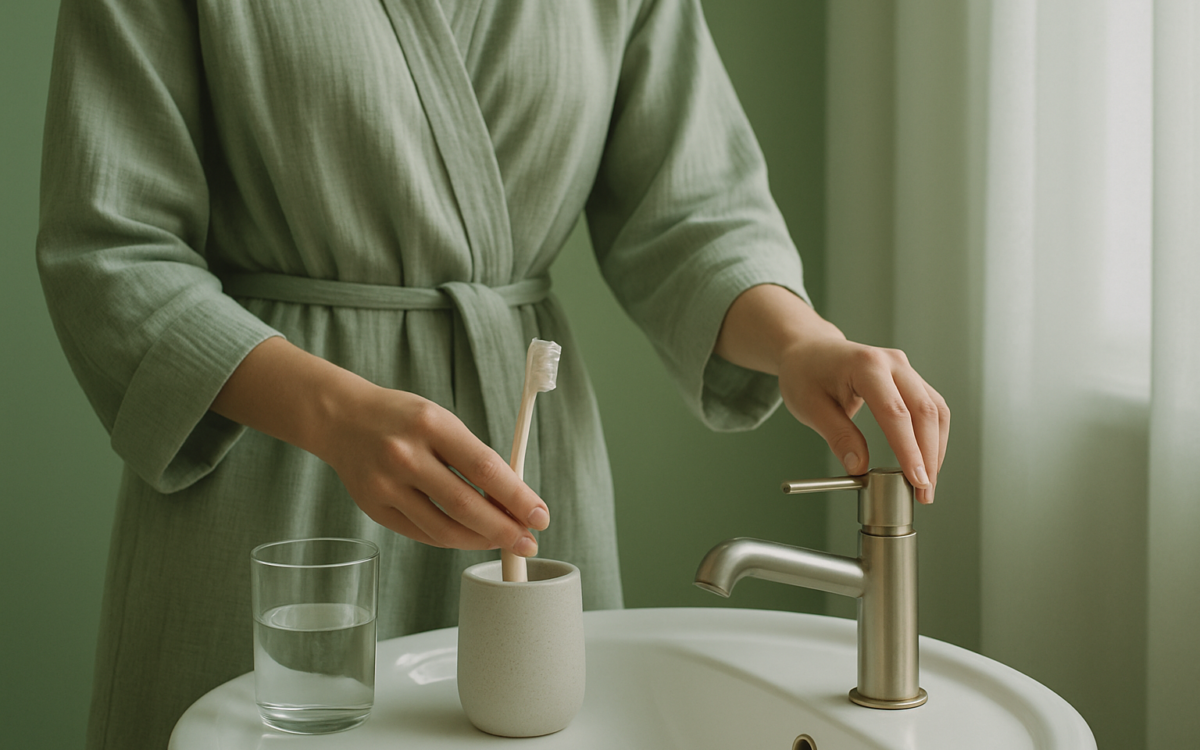
In our fast-paced world, it often feels like we’re constantly running from one task to another. Yet, amidst the hustle and bustle, it’s critical to recognize the joy and health benefits that can emerge from routine activities. These daily habits not only ground us but can also lead to improved mental and physical health.
The Importance of Routine Activities
Routine activities encompass the small, everyday tasks that structure our lives. They can range from brushing your teeth and making your bed to engaging in hobbies and spending time with loved ones. Research indicates that maintaining a routine can help combat stress, foster a sense of security, and enhance overall well-being.
Establishing a routine gives us a sense of control in our lives, promoting feelings of accomplishment and satisfaction. A solid routine can help you manage time better and reduce feelings of anxiety that often accompany unpredictability.
Physical Health Benefits
Integrating routine physical activities into your daily life is crucial for maintaining health. Whether it’s a leisurely walk, stretching, or gardening, physical activity helps strengthen your body, improve cardiovascular health, and boost your immune system.
The Centers for Disease Control and Prevention (CDC) emphasizes that even low-intensity activities are beneficial. Regular movement helps to lower the risk of chronic diseases, such as obesity, heart disease, and diabetes. Moreover, engaging in physical activities you enjoy can enhance mood through the release of endorphins, often referred to as the body’s feel-good hormones.
Mental Health and Emotional Well-Being
Routine activities are not just essential for our physical health; they also play a pivotal role in supporting mental health. Simple daily tasks can serve as a form of mindfulness—encouraging you to focus on the present moment.
For instance, when you cook a meal, you engage your senses: the sounds of chopping, the scents of spices, the sight of vibrant vegetables. Such mindfulness practices have been shown to reduce anxiety and stress levels. Additionally, establishing a set of routines can provide a reassuring structure in times of uncertainty, which is crucial for maintaining mental resilience.
Creating Meaningful Routines
Building a routine that feels satisfying and meaningful requires reflection on what truly matters to you. Start by considering your values and interests. Would you find joy in daily reading sessions, or perhaps crafting? Here are steps to create a fulfilling daily routine:
- Identify Priorities: Consider activities that genuinely uplift you and align with your goals.
- Start Small: Begin by integrating one or two new activities; gradually expand as you feel comfortable.
- Be Consistent: Stick to your routine as consistently as possible, but remain flexible when life’s unpredictability comes your way.
- Reflect: Take time to reflect on which activities feel the most beneficial and make adjustments as needed.
Ways to Enhance Routine Activities
To keep routine activities enjoyable, consider varying them or introducing new elements. Here are a few tips to enhance your routines:
- Add Social Interaction: Incorporate social activities such as a walk with a friend or a game night with family.
- Explore Creativity: If you enjoy arts and crafts, set aside time each week to express yourself through creative pursuits.
- Practice Gratitude: At the end of each day, take a moment to jot down what you are grateful for. This can reinforce the positive feelings associated with your routine.
When to See a Doctor
If you find that despite maintaining a routine, you are experiencing continued feelings of sadness, anxiety, or hopelessness that interfere with your daily life, it might be time to seek professional help. Mental health is a crucial aspect of overall wellness, and professionals can offer tailored advice and support.
Keep in mind that it’s essential to consult with a healthcare provider before making significant changes to your routine or if you have ongoing health concerns. Resources like the National Institute of Mental Health (NIMH) provide valuable information on mental health support and the importance of seeking help.
Conclusion
Incorporating routine activities into your daily life can serve as a powerful tool for enhancing your mental and physical well-being. By focusing on enjoyable, meaningful habits, you can create a lifestyle full of joy and fulfillment. Remember, it’s the small, consistent actions that can lead to significant improvements in your overall health.
