
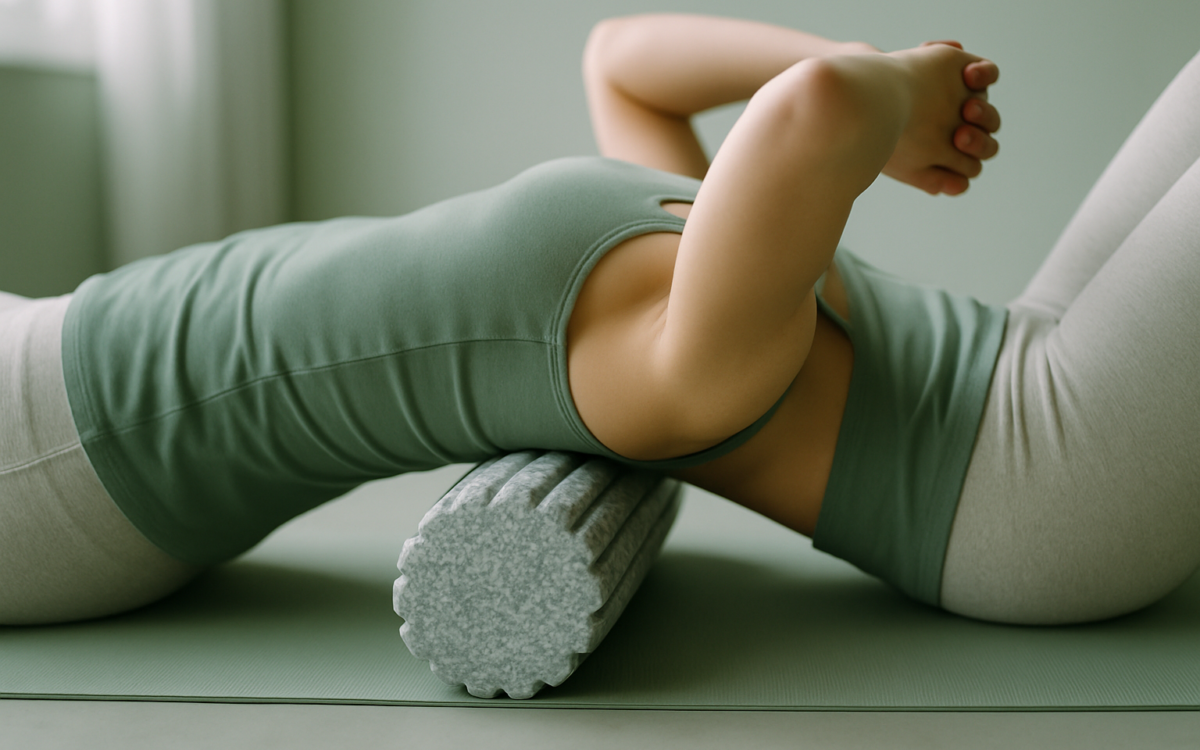
Back pain can be a major hindrance in our daily lives, affecting everything from sitting at a desk to enjoying leisure activities. Many people seek relief through various methods, and one tool that has gained popularity is the foam roller. This simple device can provide relief from muscle tension and contribute to overall back health. But how does it work, and is it the right solution for you? Let’s dive into the details.
Understanding Foam Rollers
Foam rollers are cylindrical tubes made from firm foam. They come in various sizes and densities, often used in physical therapy and fitness routines. The primary purpose of a foam roller is to perform self-myofascial release, which is a technique aimed at relieving muscle tightness and improving blood circulation.
How Foam Rolling Affects Your Back
When you experience back pain, it’s often due to muscle tension, overuse, or improper posture. Foam rolling works by applying pressure to specific muscle groups, which can help break down adhesions, or “knots,” in the muscles. This release of tension can alleviate pain and increase mobility, making it easier for you to move without discomfort.
Benefits of Using a Foam Roller
- Reduces muscle soreness: Foam rolling can help reduce delayed onset muscle soreness (DOMS), which might follow intense physical activity.
- Improves flexibility: Regular use of a foam roller can enhance your range of motion, making it easier to perform daily activities and exercise.
- Promotes relaxation: The gentle pressure on tight muscles can aid in relaxation, reducing stress levels and promoting a sense of well-being.
- Enhances blood flow: Improved circulation can aid in recovery from injuries and improve overall muscle function.
Using a Foam Roller for Back Problems
Foam rolling for back pain might sound easy, but proper technique is essential. Here are some steps and tips for effective foam rolling:
Start with the Upper Back
1. Sit on the floor with your knees bent and the foam roller behind you.
2. Lean back and position the roller underneath your upper back.
3. Support your head with your hands, and gently roll back and forth over the roller.
4. Focus on areas that feel tight or sore, spending extra time on those spots.
Move to the Lower Back Carefully
1. For the lower back, get into a seated position with the roller just above your hips.
2. Use your legs and arms to push yourself gently back and forth. Avoid rolling directly on your spine.
3. It’s crucial to maintain core engagement to protect your lower back while doing this.
Precautions to Consider
While foam rolling can be beneficial, it’s not suitable for everyone. Here are some precautions to keep in mind:
- Avoid rolling over the spine: Focus on the muscle areas instead to prevent aggravating any existing conditions.
- Listen to your body: If you feel significant pain or discomfort, stop immediately.
- Consult with a professional: If you have a history of back problems, it is wise to consult a healthcare professional before incorporating foam rolling into your routine.
Incorporating Foam Rolling into Your Routine
To achieve optimal results, it’s important to incorporate foam rolling into your regular self-care routine:
- Frequency: Aim for foam rolling sessions 2-3 times a week, or more often if you’re recovering from an injury.
- Duration: Spend about 5-10 minutes rolling each area of concern.
- Combine with other practices: Consider pairing foam rolling with stretching or gentle exercises to enhance flexibility and strength.
When to See a Doctor
If you experience persistent back pain, numbness, or tingling, or if your pain worsens with foam rolling, it’s important to consult a healthcare provider. Signs that you should seek professional help include:
- Severe pain that does not improve with rest.
- Pain that radiates down the legs.
- Loss of bladder or bowel control.
- Difficulty walking or standing.
Final Thoughts
Foam rolling can be a useful addition to your self-care practices for managing back problems. It offers a convenient way to relieve muscle tension, enhance mobility, and promote overall wellness. However, it’s essential to use proper techniques and remain attentive to your body’s signals. Always remember that if pain persists or worsens, consulting a doctor is the best course of action. With the right approach, foam rollers can be a valuable tool in your journey towards a healthier back.
