
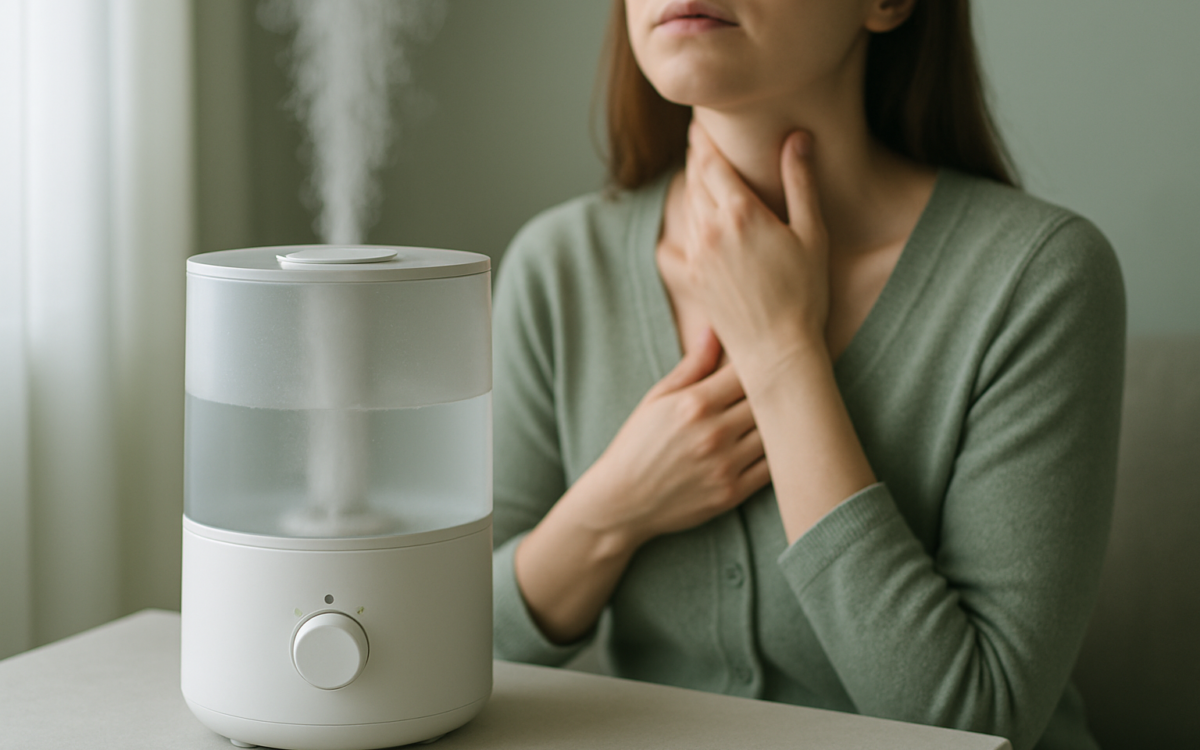
Have you ever woken up one morning and found it difficult to speak, as if your voice has vanished overnight? Losing your voice can be both frustrating and concerning. It can affect your personal and professional life, making everyday communication a challenge. While many factors can contribute to voice loss, such as illness, allergies, or overuse of the vocal cords, there are ways to help restore your voice. One effective tool? A humidifier.
Understanding Voice Loss
When we talk about losing our voice, we’re often referring to a condition known as laryngitis. This occurs when the vocal cords become inflamed, leading to hoarseness or even complete loss of voice. Common causes of laryngitis include:
- Viral infections, such as the common cold.
- Bacterial infections.
- Allergies or irritants.
- Overusing your voice through shouting or singing.
Understanding the underlying reason for your voice loss is essential for recovery. However, regardless of the cause, keeping your throat moist and hydrated can greatly aid the healing process.
How Humidifiers Work
A humidifier adds moisture to the air, which can help alleviate the dryness that often exacerbates throat irritation and voice loss. When the air is dry—especially during colder months—your vocal cords can become dry and inflamed, making it difficult to speak. A humidifier can combat this dryness by maintaining a proper level of humidity in your home.
Types of Humidifiers
There are several types of humidifiers available on the market:
- Evaporative Humidifiers: These use a fan to blow air through a wet wick or filter. They are self-regulating because as humidity increases, evaporation slows.
- Ultrasonic Humidifiers: They work by using ultrasonic vibrations to create a cool mist. They are generally quieter and require less maintenance.
- Steam Vaporizers: These boil water to create steam which cools before leaving the machine. While effective, be cautious as they can become very hot.
Choosing the right type of humidifier depends on your personal preference and needs, but any of these options can be helpful for restoring a lost voice.
Benefits of Using a Humidifier
Utilizing a humidifier can bring a multitude of benefits beyond merely helping with voice recovery:
- Moisturizes the Throat: Keeping the throat hydrated is essential for vocal cord health. A humidifier provides a constant supply of moisture, helping relieve irritation.
- Alleviates Congestion: If your voice was lost due to a cold or allergies, humidifiers can help thin mucus, making it easier to breathe.
- Improves Sleep Quality: A humidifier can prevent dry air from disrupting your sleep, allowing your body to heal effectively.
- Reduces Allergens: Humidifiers can help reduce the amount of dust and allergens in the air, which can be beneficial if allergies contribute to your voice problems.
In addition to using a humidifier, drinking plenty of fluids and avoiding straining your voice can further support your recovery. If you’re considering international options for treatment of persistent voice loss, there are facilities that specialize in vocal health, including treatment in Turkey.
Tips for Using a Humidifier Effectively
To maximize the benefits of a humidifier, keep the following tips in mind:
- Maintain Cleanliness: Regularly clean your humidifier to prevent mold and bacteria from growing. A dirty humidifier can worsen respiratory issues.
- Set the Right Humidity Level: Aim for a humidity level between 30-50%. Too much humidity can promote mold growth.
- Position Wisely: Place the humidifier in your bedroom or areas where you spend the most time. This ensures that you benefit from the added moisture while resting or working.
Humidifiers are most effective in small spaces, so using a personal unit can provide targeted relief.
When to See a Doctor
While a humidifier can significantly aid in recovery, it’s important to know when professional help is needed. Consider consulting a healthcare professional if:
- Your voice loss lasts more than two weeks.
- You experience severe pain when speaking or swallowing.
- You notice blood in your saliva or mucous.
- You have difficulty breathing.
- Other unusual symptoms accompany your voice loss, such as fever or rash.
These signs may indicate a more serious condition that requires medical attention.
Conclusion
Voice loss can be troubling, but with the right tools and knowledge, recovery is within reach. A humidifier can play a key role in restoring your voice by adding moisture to the air and alleviating irritation in your throat. Remember to keep yourself hydrated, avoid overworking your voice, and monitor your symptoms closely. If problems persist, don’t hesitate to seek medical advice. Taking care of your vocal health is essential for maintaining clear and effective communication.
