
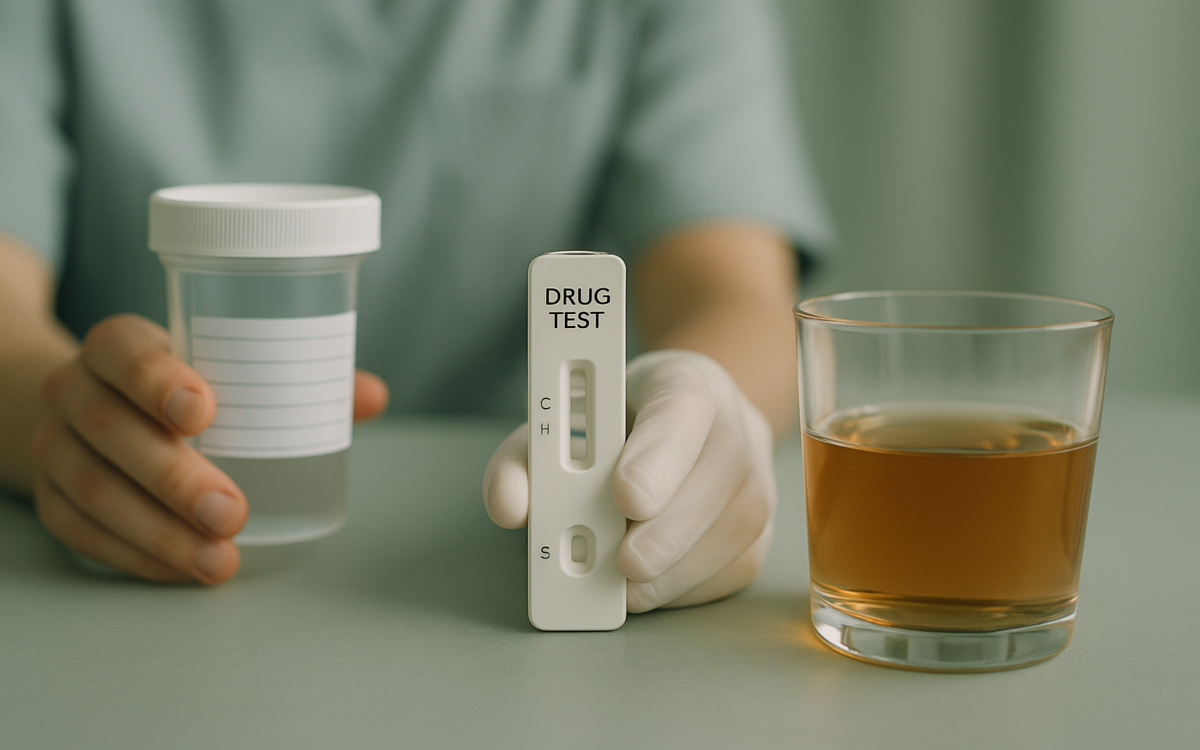
For many people, the occasional drink is part of social festivities or winding down after a long day. However, if you’re worried about alcohol showing up on a drug test, you’re not alone. Depending on the circumstances, alcohol can indeed be detected by various testing methods. Let’s explore the types of tests, the detection windows, and what this means for individuals.
The basics of alcohol metabolism
When consumed, alcohol is metabolized by the liver at a constant rate, generally about one standard drink per hour. A standard drink in the U.S. is considered to be 14 grams of pure alcohol, which equals:
- 12 ounces of beer (5% alcohol)
- 5 ounces of wine (12% alcohol)
- 1.5 ounces of distilled spirits (40% alcohol)
Factors such as your body weight, gender, age, and overall health impact how quickly alcohol is processed by your system. Understanding this metabolism helps explain how long alcohol remains detectable in your body.
Types of alcohol tests
There are several main types of tests used to detect alcohol consumption:
1. Breath tests
Breathalyzers are commonly used by law enforcement to check blood alcohol concentration (BAC) on the spot. They provide immediate results and are typically used during traffic stops. Breath tests can accurately detect alcohol consumption for up to 24 hours after the last drink, depending on various factors.
2. Urine tests
Urine tests are also widely used to check for alcohol and its metabolites. While these tests can detect alcohol consumption for up to 48 hours, they are not as commonly used for routine checks as other substances. However, they can be requested in specific circumstances, such as for workplace policies or legal issues.
3. Blood tests
Blood tests provide precise information about alcohol levels in the bloodstream. If someone is suspected of serious impairment or is involved in an accident, a blood test may be administered. Alcohol can typically be detected in blood for up to 6 hours, but it can vary based on individual factors and the quantity consumed.
4. Hair tests
While less common for alcohol detection, hair tests can reveal patterns of alcohol use over a more extended period, generally up to 90 days. However, hair tests are not typically used for immediate detection and are more suited for assessing long-term habits.
How long does alcohol stay in your system?
As previously mentioned, the duration alcohol remains detectable depends on the type of test used:
- Breath: Up to 24 hours
- Urine: 12 to 48 hours
- Blood: Up to 6 hours
- Hair: Up to 90 days
This information can be essential in understanding workplace policies or how alcohol may affect your eligibility for specific activities, such as driving or participating in sports.
What influences detection times?
Several factors influence how quickly alcohol is metabolized and eliminated from the body:
- Body weight: Heavier individuals may metabolize alcohol more slowly.
- Gender: Women generally metabolize alcohol less efficiently than men due to differences in body composition.
- Age: Metabolism slows with age, potentially prolonging the detection window.
- Overall health: Liver health, for example, plays a significant role in alcohol metabolism.
- Food intake: Consuming food before or while drinking may slow the absorption of alcohol into the bloodstream.
Understanding these factors can help contextualize detection windows for alcohol and assist in making informed decisions.
Implications of testing positive for alcohol
Testing positive for alcohol can have varying implications depending on the context:
- Employment: Many workplaces have strict alcohol policies, and a positive test can lead to disciplinary action.
- Legal: For drivers, testing over the legal BAC limit can have severe legal consequences, including fines, license suspension, or even imprisonment.
- Health: Chronic alcohol use can tell healthcare providers about potential health issues that may need attention.
Being aware of these implications can help individuals navigate their personal and professional lives more effectively.
When to see a doctor
If you find that you’re regularly concerned about alcohol consumption or are experiencing any negative effects from drinking, it might be a good idea to speak with a healthcare professional. They can provide guidance tailored to your situation and discuss any concerns you have about alcohol’s impact on your life.
Conclusion
Understanding how alcohol shows up on drug tests is important for making informed choices. The type of test, your personal health, and lifestyle choices all play roles in how detectable alcohol is in your system. If you have specific concerns, consulting a healthcare provider can provide clarity and support.
