
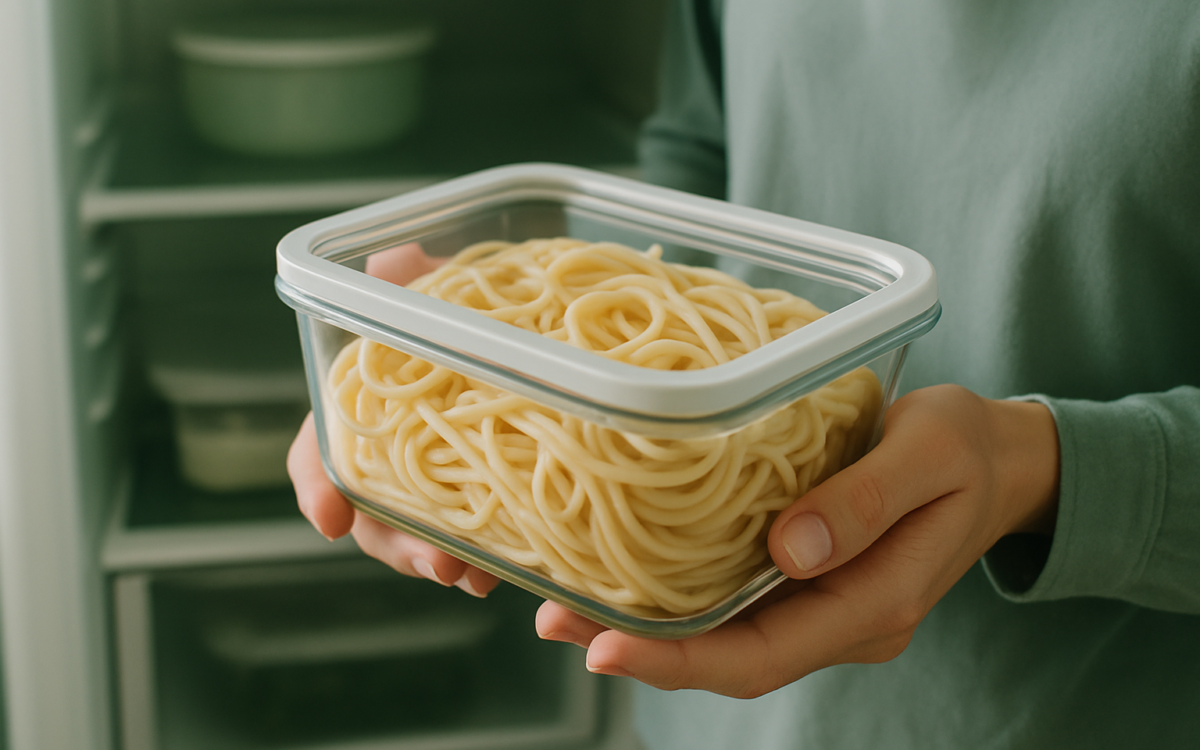
Spaghetti is a beloved meal for many people across the globe. Whether you’re enjoying a classic spaghetti bolognese or a simple spaghetti aglio e olio, this versatile dish is not just a culinary delight but also a convenience for busy days. If you’ve made too much spaghetti or have some leftovers from a meal, you might wonder how long it will last in the fridge and how to store it properly. Understanding the lifespan of your leftover spaghetti is crucial to avoid food waste and ensure food safety.
How Long Can Cooked Spaghetti Last in the Fridge?
The general rule of thumb for cooked spaghetti, like many other leftovers, is that it can be safely stored in the fridge for 3 to 5 days. This time frame is based on the standard guidelines provided by food safety experts. It’s important to keep an eye on any changes in color or smell, as these can indicate that your spaghetti has gone bad.
Factors That Affect Storage Time
Several factors can influence how long your spaghetti lasts in the fridge:
- Storage Method: How you store your spaghetti can significantly affect its longevity. Spaghetti should be kept in an airtight container to minimize exposure to air, which can lead to spoilage.
- Initial Preparation: If your spaghetti was cooked with preservatives or sauces that have a longer shelf life, it may last longer than plain boiled spaghetti.
- Temperature: The fridge should ideally be at 40°F (4°C) or lower. Higher temperatures can accelerate spoilage. If your fridge is above this temperature, your leftovers may not last as long.
How to Store Leftover Spaghetti
Storing spaghetti properly can help it last longer and maintain its quality. Here are some tips on how to store your leftover spaghetti:
- Cool it Down: Before putting spaghetti in the fridge, let it cool down for about 30 minutes. This step helps prevent condensation from forming inside the container, which can create bacteria-friendly environments.
- Use Airtight Containers: Transfer your spaghetti into airtight plastic or glass containers. Alternatively, you can use aluminum foil or plastic wrap tightly wrapped around the spaghetti.
- Label and Date: If you are the type of person who often forgets about leftovers, labeling your containers with the date can be very helpful. This way, you can easily keep track of how long they’ve been in the fridge.
Reheating Leftover Spaghetti
When it comes time to enjoy your leftover spaghetti, reheating it properly is essential for both taste and safety. Here are a few methods:
- Microwave: Place the spaghetti in a microwave-safe bowl and add a splash of water to prevent it from drying out. Cover the bowl and heat in short intervals, stirring frequently.
- Stovetop: You can also reheat on the stovetop. Add a little water or sauce to a skillet, and stir the spaghetti on low heat until warmed through.
- Oven: If you have a larger batch, you can use the oven. Preheat to 350°F (175°C), place the spaghetti in an oven-safe dish, cover it, and heat for about 20 minutes.
Signs That Spaghetti Has Gone Bad
Knowing when to throw away spaghetti is just as important as understanding when it is safe to eat. Here are some signs to look out for:
- Unpleasant Odor: If your spaghetti smells off or rancid, it’s better to toss it.
- Discoloration: If your leftover spaghetti has changed color or developed strange markings, it may indicate spoilage.
- Texture: If your spaghetti is slimy or sticky to the touch, it is also a sign that it has gone bad.
Freezing Spaghetti for Longer Storage
If you predict that you won’t consume your leftover spaghetti within 3 to 5 days, consider freezing it. Freezing can extend its shelf life for up to 2 months. Here’s how:
- Cool It First: Let spaghetti cool completely before freezing to avoid ice crystals forming.
- Use Freezer Bags or Containers: Place the spaghetti in a freezer-safe bag or container, removing as much air as possible to prevent freezer burn.
- Label and Date: Always label your frozen spaghetti with the date, so you know when to use it.
When to See a Doctor
It’s essential to be cautious about foodborne illnesses. If you experience symptoms such as nausea, vomiting, diarrhea, abdominal pain, fever, or dehydration after consuming spaghetti or any food, consult with a healthcare professional for advice.
Conclusion
Understanding how long spaghetti lasts in the fridge and the best practices for storing and reheating it can save you from food waste and keep you eating safely. Remember to cool your leftovers, use airtight containers, and look out for signs of spoilage. As with any food product, if you’re ever in doubt, it’s wise to err on the side of caution.
