
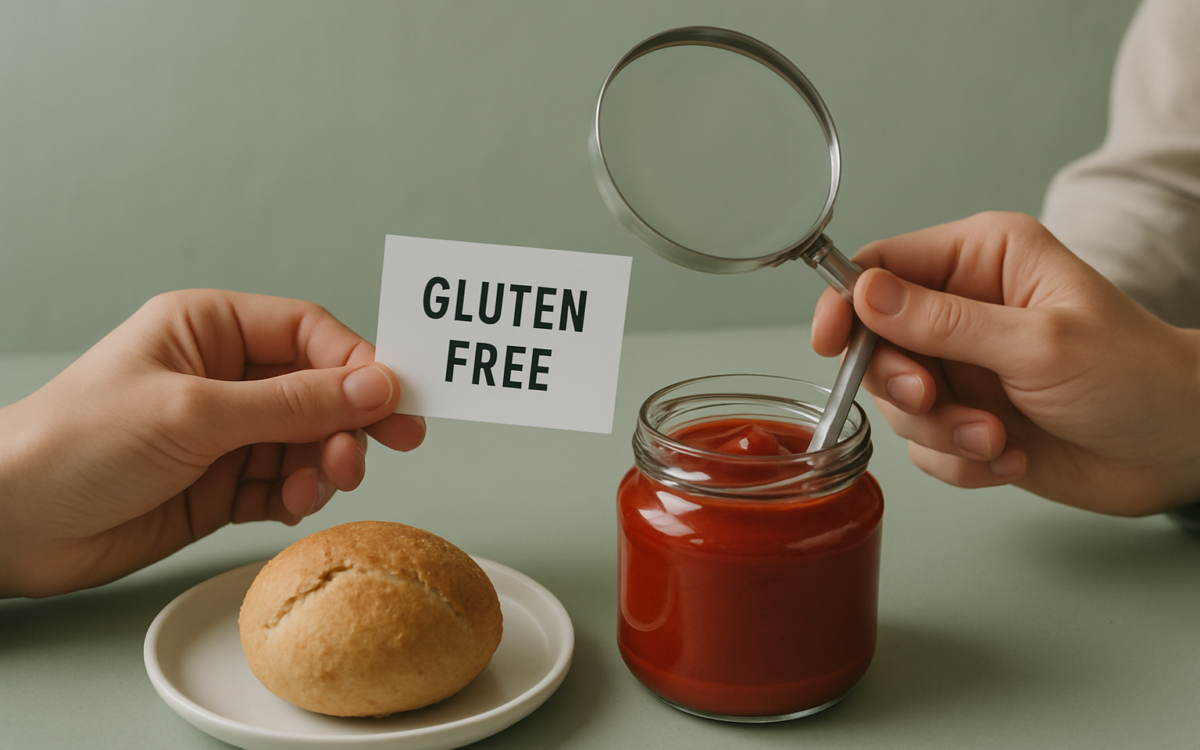
Ketchup is a popular condiment, finding its way onto everything from fries to burgers. For many, it’s hard to imagine a barbecue or picnic without this tangy sauce. However, for those with gluten sensitivities or celiac disease, questions about ketchup’s safety become paramount. Those affected must often scrutinize food labels and ingredients to avoid gluten, a protein found in wheat, barley, and rye.
Understanding Gluten and Its Sources
Before diving into whether ketchup is gluten free, let’s clarify what gluten is. Gluten is a protein that plays a crucial role in the structure of certain foods, especially baked goods. Those with celiac disease, which affects about 1% of the global population, must avoid gluten entirely, as even a small amount can trigger severe health issues. Others may experience gluten intolerance, causing discomfort without the serious autoimmune response seen in celiac disease.
What Ingredients Are in Ketchup?
Traditionally, ketchup consists of tomatoes, vinegar, sugar, and spices. The primary ingredients—tomatoes and vinegar—are naturally gluten free. However, the potential for gluten contamination arises from additional ingredients or how they are processed. Some brands may include additives or thickeners that contain gluten.
Is Commercial Ketchup Gluten Free?
Most commercial ketchup brands are indeed gluten free, but it’s essential to check the label for specific ingredients. For instance, Heinz, one of the most recognized ketchup brands in the U.S., has gluten free varieties. However, variations in recipes and formulations across different brands could introduce gluten sources. Therefore, always look for the gluten free label or ingredient list.
Tips for Choosing Safe Ketchup
- Check for a gluten free label: Look for products marked as gluten free to ensure safety.
- Read the ingredient list: Avoid ketchups with additives that may contain gluten, such as malt vinegar.
- Consider homemade options: Making your own ketchup can guarantee that all ingredients are gluten free.
Contamination Risks
Cross-contamination is another factor to consider when it comes to ketchup. This risk occurs when gluten-free foods come into contact with gluten-containing foods, either in production or during food preparation. If you eat at a restaurant or use shared condiments, be wary, as even a small amount of gluten can cause reactions in sensitive individuals. When in doubt, ask the restaurant staff about their procedures for preventing cross-contamination.
Gluten Free Labels and Regulations
The FDA defines gluten free as an absence of gluten in a product. To meet the gluten free labeling criterion, the food must contain fewer than 20 parts per million of gluten, a standard widely recognized by health organizations including the CDC. The gluten free label helps individuals with gluten sensitivities make informed choices, especially regarding packaged foods like ketchup.
Alternatives to Traditional Ketchup
If you’re concerned about gluten in ketchup or simply want to try something different, there are alternatives available. Some might enjoy barbecue sauce, mustard, or salsas that are naturally gluten free. Again, it’s vital to check for gluten free labeling, as many sauces vary based on manufacturing practices and ingredient composition.
When to See a Doctor
If you suspect that you have a gluten sensitivity or celiac disease, or if you experience adverse reactions after consuming certain foods, consult a healthcare professional. Symptoms can vary from digestive issues to neurological problems. Proper testing and diagnosis are crucial for managing your health effectively.
Conclusion
Many ketchup brands are gluten free, but careful label reading is essential to ensure safety. Understanding what goes into your food and how it’s processed can help you enjoy your favorite condiments without worry. With proper awareness and choices, those with gluten sensitivities can relish their meals, toppings, and condiments. Stay informed and savor your food safely!
