
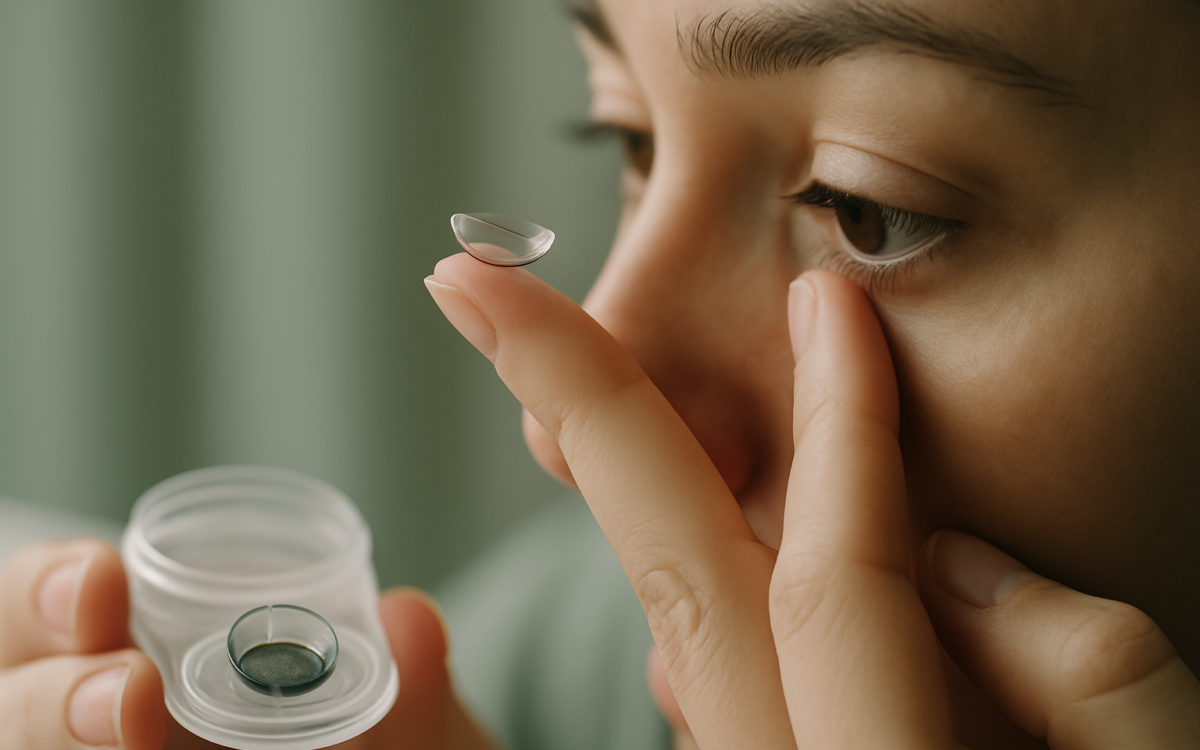
Your eyes are your window to the world, and for many, hard contact lenses can enhance that view. While these lenses might not be as popular as their soft counterparts, they offer unique benefits that are worth exploring. This article dives into what hard contact lenses are, their advantages, how to care for them, and important considerations for their use.
What are hard contact lenses?
Hard contact lenses, also known as rigid gas permeable (RGP) lenses, are made from durable materials that allow oxygen to flow through to the eye. Unlike soft lenses, which are made from gelatinous materials, hard lenses maintain their shape and provide improved vision clarity. RGP lenses are customizable and can treat various vision problems, making them a viable option for many individuals.
Benefits of hard contact lenses
Choosing hard contact lenses can come with numerous advantages:
- Sharp vision: Many wearers find that RGP lenses provide clearer and sharper vision than soft lenses, especially for those with astigmatism or other refractive errors.
- Long-lasting: Hard lenses are typically more durable than soft lenses, meaning they can last longer with proper care.
- Health benefits: They can reduce the risk of complications such as dryness and protein buildup, common issues with soft lenses.
- Customizable fit: Your eye care professional can customize hard lenses to fit your specific eye shape and vision needs.
How to care for hard contact lenses
Proper care is essential to keep your hard contact lenses in excellent condition. Here are some practical maintenance tips:
- Regular cleaning: Clean your lenses daily with a recommended cleaning solution to remove proteins and debris. Do not use water or saliva to clean them.
- Storage: Always store your lenses in a clean, dry case filled with fresh solution. Replace the lens case every three months.
- Avoid sleeping in them: Unless directed by your eye care provider, do not wear your lenses while sleeping, as this increases the risk of eye infections.
- Routine check-ups: Schedule regular appointments with your eye care professional to ensure your lenses still fit well and your eyes remain healthy.
Common challenges with hard contact lenses
While hard contact lenses offer impressive benefits, they may not be ideal for everyone. Some common challenges include:
- Adjustment period: New wearers may experience discomfort and vision fluctuation while adapting to hard lenses.
- Increased lens awareness: Due to their rigidity, some people report feeling their lenses more than soft ones, especially during the initial adjustment period.
- Fragility: Despite their durability, hard lenses can break if dropped, so handle with care to avoid damage.
Who should consider hard contact lenses?
Hard contact lenses are particularly beneficial for individuals with certain eye conditions:
- Astigmatism: Those with astigmatism can benefit from the precise optical correction provided by hard lenses.
- Corneal irregularities: RGP lenses can effectively manage conditions like keratoconus, where the cornea is misshapen.
- Active lifestyles: If you lead an active lifestyle, the durability of hard lenses may be appealing, as they are less likely to tear than soft lenses.
When to see a doctor
If you experience any discomfort, redness, or changes in vision while wearing hard contact lenses, it’s essential to consult your eye care professional. Regular eye exams are also crucial to monitor your overall eye health and ensure your lenses remain suitable for your needs.
Conclusion
Hard contact lenses can be an excellent option for many people seeking sharp vision and corneal health. With their unique advantages and proper care, these lenses can significantly enhance your daily life. Remember to consult your eye care provider to see if hard contact lenses are the right fit for you.
