
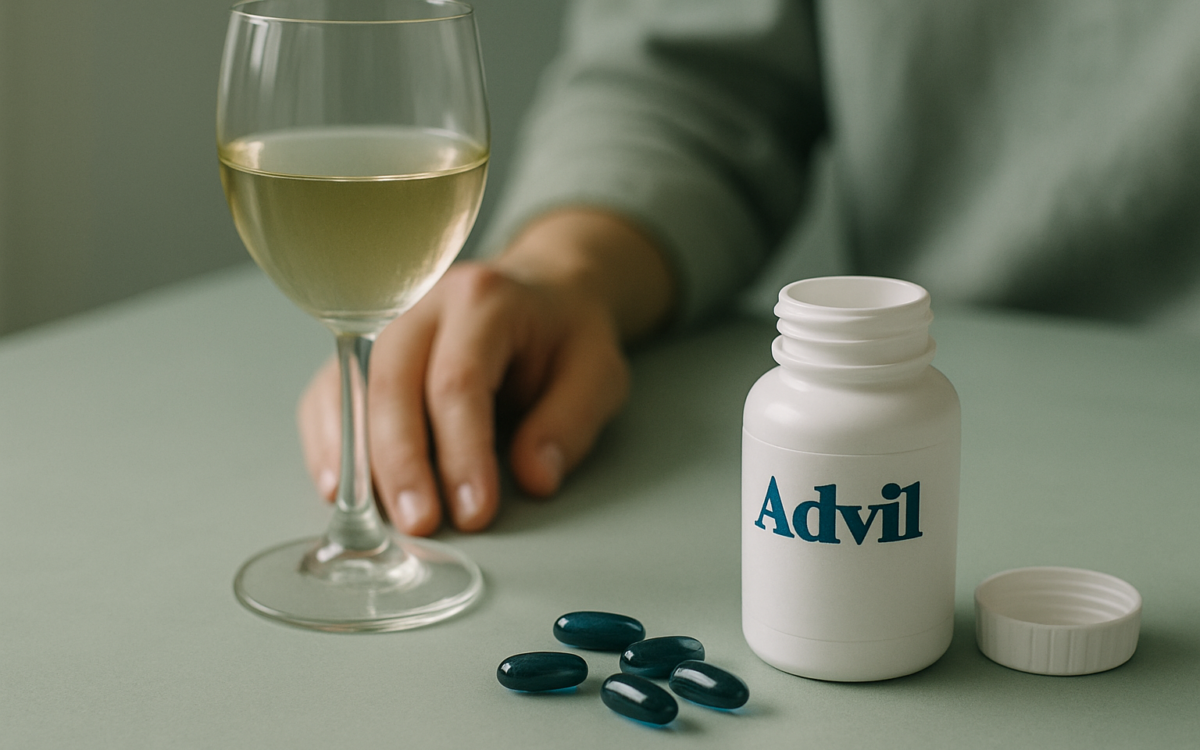
Many people turn to over-the-counter pain relievers like Advil (ibuprofen) to manage headaches, muscle aches, or other discomforts. At the same time, enjoying an occasional drink seems harmless. But what happens when these two come together? Understanding the implications of mixing Advil and alcohol can help you make safer choices for your health.
Understanding Advil and Its Uses
Advil is a nonsteroidal anti-inflammatory drug (NSAID) used widely to relieve pain, reduce inflammation, and lower fever. It is effective for various conditions such as headaches, menstrual cramps, arthritis, and even minor injuries. While Advil is well-tolerated by many, it does have certain risks, especially when not used as directed.
How Alcohol Affects the Body
Alcohol is a depressant that can affect many systems in your body, notably the nervous system and liver. While moderate drinking may have some benefits for certain individuals, excessive consumption can lead to numerous health problems, including liver disease, digestive issues, and increased risk of certain cancers. Additionally, alcohol can exacerbate the side effects of medications.
The Risks of Combining Advil and Alcohol
Mixing Advil and alcohol can pose several health risks. Here are a few key concerns:
- Liver Damage: Both Advil and alcohol are processed by the liver. Taking Advil while drinking alcohol, particularly in large amounts, can increase the risk of liver damage, including potential acute liver failure.
- Increased Stomach Irritation: Both substances can irritate the stomach lining. When used together, this irritation can lead to gastric bleeding or ulcers, which may be serious in some cases.
- Impaired Judgment: Alcohol can impair your decision-making abilities. If you are using Advil for pain relief and drinking at the same time, you might not accurately assess your sobriety or the effectiveness of the medication.
- Heightened Side Effects: Mixing the two can amplify side effects like dizziness, drowsiness, or gastrointestinal discomfort.
What the Research Says
Research about the safety of mixing Advil and alcohol shows that while occasional use may not lead to immediate significant problems, chronic mixing can be harmful. According to the National Institutes of Health, combining alcohol with NSAIDs increases the risk of gastrointestinal complications and should be avoided, especially for individuals with existing health issues.
The Cleveland Clinic also points out that patients often underestimate the risks involved when dealing with pain relief while consuming alcohol, leading to potential health hazards.
Guidelines for Safe Use
Here are some strategies to consider for safe use of Advil and alcohol:
- Limit Alcohol Consumption: Stick to moderate drinking guidelines—up to one drink per day for women and two for men, if you choose to drink at all.
- Time Your Doses: If you’ve been drinking, it’s better to wait several hours before taking Advil. This can help minimize risks.
- Consult a Healthcare Provider: If you frequently use Advil or drink alcohol, speak with your doctor for personalized advice regarding your health.
When to See a Doctor
If you experience any adverse reactions after combining Advil and alcohol, such as severe stomach pain, vomiting blood, or prolonged dizziness, it’s essential to seek medical attention immediately. Additionally, consult your healthcare provider if:
- You have chronic pain conditions requiring frequent Advil use.
- You consume alcohol regularly and are unsure how it may affect your medication.
- You have pre-existing liver conditions or a history of substance abuse.
Conclusion
Combining Advil and alcohol can have serious health implications. While it may be tempting to mix the two for temporary discomfort relief, understanding the risks is essential to safeguarding your health. Always consult with a healthcare provider if you have questions about your medications and alcohol consumption, ensuring that you take informed steps towards wellness.
