
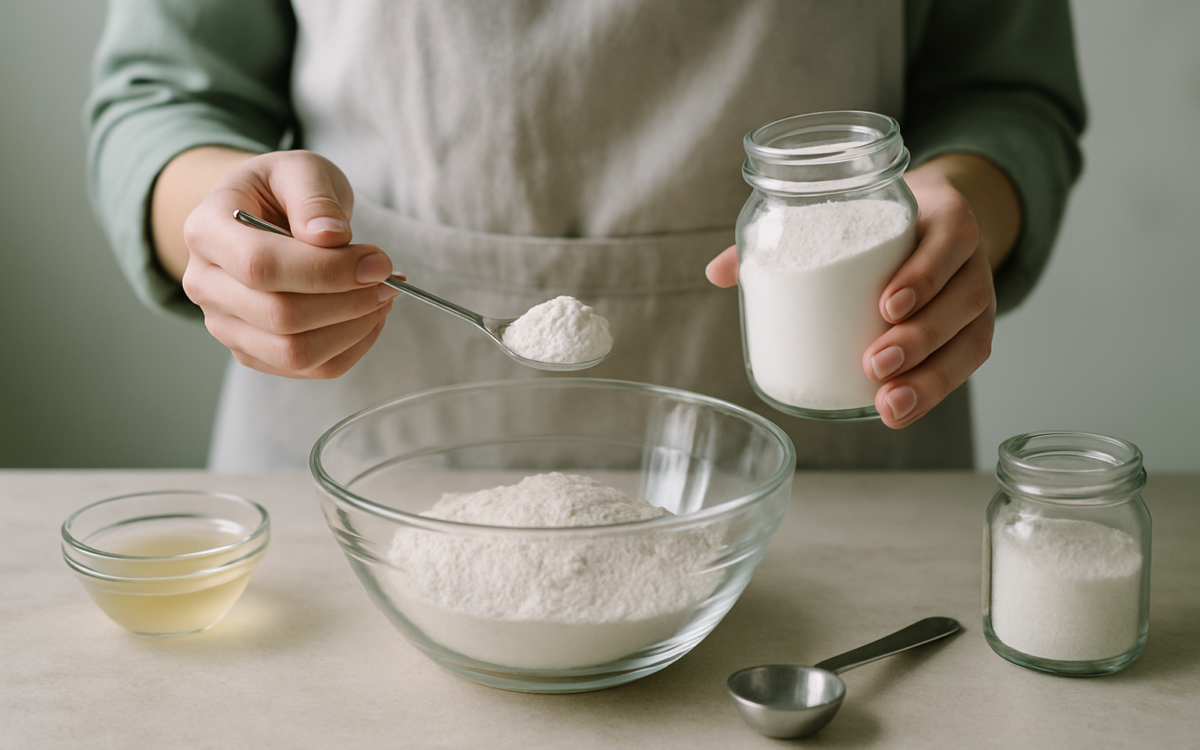
Imagine you’re ready to bake a scrumptious cake or delicious cookies, only to discover that you’re out of baking powder. Instead of despairing, consider your alternative options. Baking powder plays a vital role in many recipes, providing leavening that helps baked goods rise and become light and fluffy. Whether you’re in a pinch or simply looking for something new, there are several substitutes that can yield successful results. Let’s delve into the details of some effective baking powder substitutes and how to use them in your favorite recipes.
Understanding Baking Powder
Baking powder is a leavening agent that combines an acid (usually cream of tartar) and a base (often baking soda) with a moisture-absorbing component like cornstarch. When moisture is added, it creates gas bubbles that cause doughs and batters to rise during baking. While essential, not everyone keeps baking powder stocked in their pantry.
Common Substitutes for Baking Powder
If you find yourself without baking powder, don’t worry! Here are some alternative ingredients you can use.
Baking Soda and Acid
Baking soda is a powerful leavening agent on its own, but it needs an acid to activate its rising properties. You can create a baking powder equivalent by combining baking soda with an acid. Here’s how:
- For every 1 teaspoon of baking powder, use 1/4 teaspoon of baking soda plus 1/2 teaspoon of vinegar (white or apple cider) or lemon juice.
This combination will yield similar results to baking powder, allowing your baked goods to rise nicely.
Yogurt or Buttermilk
Both yogurt and buttermilk have natural acidity that can activate baking soda. Using either of these can also add moisture and richness to your recipe.
- For 1 teaspoon of baking powder, substitute with 1 teaspoon of baking soda plus 1/2 cup of yogurt or buttermilk. Reduce the liquid in your recipe slightly to accommodate the added moisture.
These dairy options can enhance flavor and texture in your baked goods.
Self-Rising Flour
If you have self-rising flour on hand, you’re in luck. This type of flour contains baking powder and salt already mixed in.
- For every cup of all-purpose flour you replace with self-rising flour, omit the baking powder and salt called for in your recipe.
This can provide a simple and effective solution if you’re making cookies, biscuits, or pancakes.
Sparkling Water
Another clever baking powder substitute is sparkling water. The carbonation in the water can help achieve a light texture in recipes such as pancakes or cakes.
- Swap out 1 cup of liquid in your recipe for 1 cup of sparkling water to create a fluffy batter.
This can add a lovely lightness to your baked goods while also contributing flavor.
Specialty Substitutes
If you often find yourself baking without key ingredients, consider exploring these more specialized substitutes.
Cream of Tartar and Baking Soda
Cream of tartar, an acidic byproduct of wine production, can be combined with baking soda to mimic baking powder effectively.
- Mix 1/2 teaspoon of baking soda with 1 teaspoon of cream of tartar in place of every 1 teaspoon of baking powder.
This combination works nicely in recipes like meringues or cakes, providing an excellent rise and stable structure.
Nougat or Fizzing Candy
For a fun twist, consider using certain types of novelty candy that release carbon dioxide when dissolved, such as nougat or fizzy tablets (like those used in some powdered drink mixes).
- In place of 1 teaspoon of baking powder, use a small amount of these candies, being mindful of their sugar content as it can affect the final product.
This approach can be playful but requires some experimentation to achieve the perfect balance.
Tips for Successful Substitutions
When substituting baking powder in your recipes, here are a few tips to keep in mind for the best results:
- Measure Accurately: Precision is key in baking, so measure your substitutes carefully.
- Understand the Reaction: The combination of acids and bases creates a chemical reaction, so ensure you’re using the right proportions.
- Mix Early: If using a reaction-based substitute, mix it in right before baking to capture the maximum rise.
When to See a Doctor
For individuals with food allergies or sensitivities, it’s essential to be cautious when trying new ingredients or substitutes. If you experience any adverse reactions such as skin rashes, gastrointestinal distress, or difficulty breathing after consuming a new food item, it’s important to consult a healthcare professional for advice. Information regarding food allergies can be found through reputable sources such as the NIH.
Conclusion
Running out of baking powder doesn’t need to hinder your baking creativity. With the right knowledge, you can explore various substitutes that will work seamlessly in your recipes. Having several alternatives in your kitchen can help you whip up delightful baked goods without a hitch. Remember, experimentation is part of the joy of baking, so feel free to adapt and discover what works best for you!
