
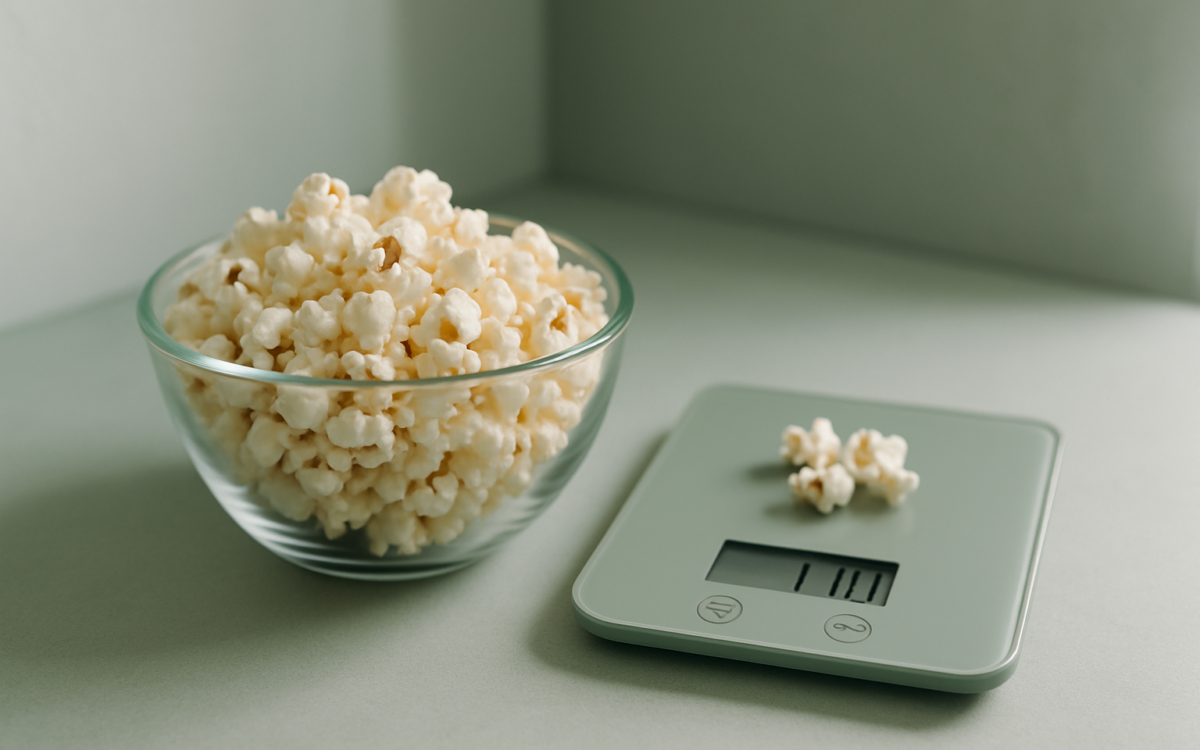
Popcorn is a beloved snack for many, often enjoyed during movie nights or as a quick grab-and-go treat. But what do we really know about the nutritional content of popcorn, particularly its calorie count? In this article, we’ll delve into the kcal in popcorn and explore its health benefits, how to prepare it in healthier ways, and tips to make it a delightful addition to your diet.
The Basics of Popcorn
Popcorn is a whole grain made from corn kernels. When heated, these kernels pop due to their moisture content, creating the fluffy snack we all know. Whole grains, including popcorn, are recommended for a balanced diet as they are rich in fiber, vitamins, and minerals.
Caloric Content of Popcorn
When it comes to calories, popcorn can be a healthy snack or a high-calorie indulgence. The kcal in popcorn varies significantly depending on how it is prepared:
- Air-popped popcorn: This is the healthiest option, containing approximately 30 calories per cup.
- Oil-popped popcorn: Using oil adds about 55 calories per cup.
- Buttered popcorn: This can skyrocket to around 100 calories per cup or more, depending on the amount of butter and salt used.
- Microwave popcorn: This can vary widely, usually ranging from 60 to 120 calories per serving, depending on the brand and type.
Health Benefits of Popcorn
Popcorn isn’t just a tasty snack; it also has several health benefits that make it a worthy choice:
- High in fiber: Air-popped popcorn contains roughly 1.2 grams of fiber per cup, which can help with digestion and promote feelings of fullness.
- Whole grain goodness: As a whole grain, popcorn is a good source of antioxidants like polyphenols, which may reduce inflammation and lower the risk of chronic diseases.
- Low in calories: When prepared healthily, popcorn can be a low-calorie snack option compared to chips or sweets.
How to Prepare Healthier Popcorn
If you love popcorn but want to enjoy it without the extra calories and unhealthy fats, here are some tips for healthier preparation:
- Air pop it: Consider investing in an air popper for no oil, easy preparation.
- Season smartly: Experiment with herbs and spices instead of butter. Try nutritional yeast, chili powder, or garlic powder for flavor without the extra calories.
- Portion control: It’s easy to overeat popcorn. Measuring out a serving can help keep your calorie intake in check.
International Perspectives on Popcorn
As popcorn gains popularity across the globe, it is interesting to see how it is prepared and served in different cultures. For instance, in some countries, popcorn is often sweetened with caramel or flavored with unique spices. If you’re an international traveler or simply wish to learn more about popcorn culture in different regions, resources like international patient services can provide insights into the diverse culinary landscapes that feature this versatile snack.
When to See a Doctor
While popcorn can be a healthy addition to your diet, it’s essential to listen to your body. If you experience symptoms like persistent abdominal pain, bloating, or any adverse reactions after consuming popcorn, it may be time to consult your doctor. These could be signs of digestive issues or potential allergies.
Conclusion
Popcorn can indeed be a delightful and nutritious snack when prepared properly. By being mindful of how you consume and prepare popcorn, you can enjoy its health benefits while keeping your calorie intake in check. Whether you prefer it air-popped with a sprinkle of salt or flavored with herbs and spices, popcorn remains a versatile snack that appeals to many. So go ahead, grab a bowl, and enjoy this whole grain treat!
