
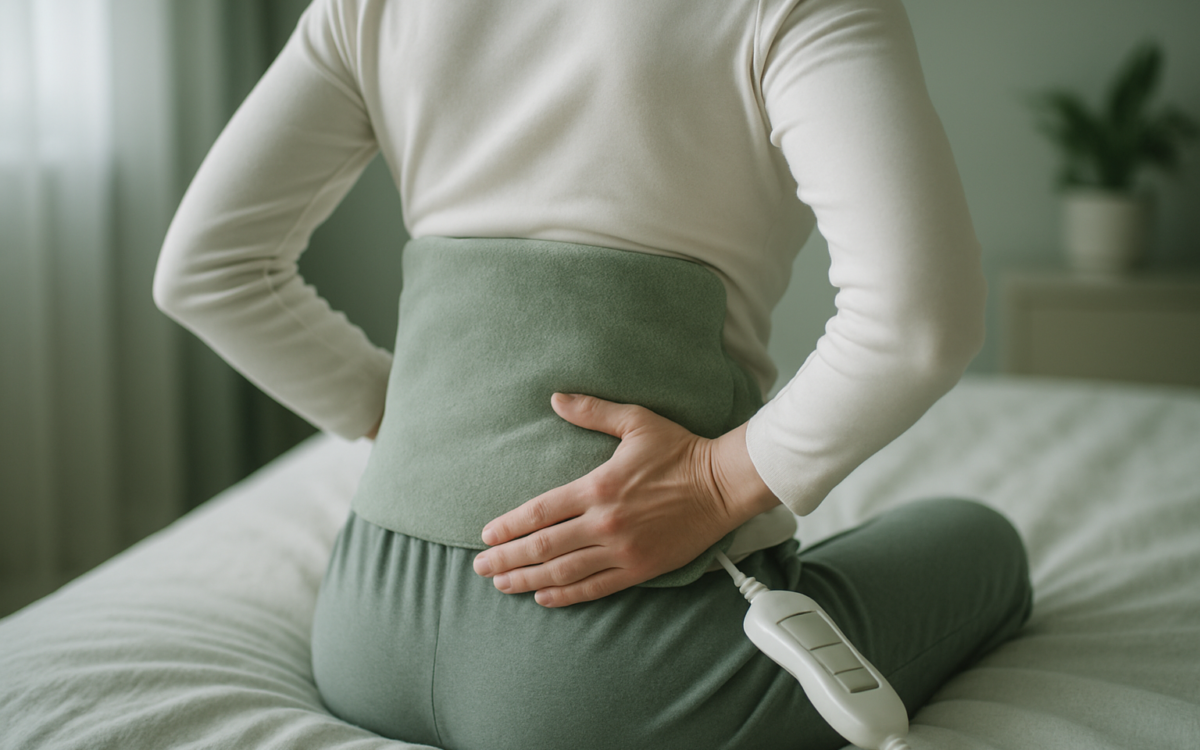
Back pain is a common issue affecting millions of individuals every day. Whether it’s a dull ache from sitting at a desk for too long or sharper pain from an injury, finding an effective way to relieve discomfort is essential. One of the simplest methods that many people use is a heating pad. This article will guide you through how heating pads work, their benefits, safe usage tips, and when you might want to consult a medical professional.
How Heating Pads Provide Relief
Heating pads are designed to provide heat therapy to targeted areas of the body, often used to treat muscle pain or discomfort, including backaches. The heat works in two ways:
- Increasing Blood Flow: Heat improves circulation by dilating blood vessels. This enhanced blood flow brings more oxygen and nutrients to the injured areas, promoting healing.
- Relaxing Muscles: Applying warmth helps to relax tense muscles and reduce stiffness, making it easier to move around.
Research published by the National Institutes of Health shows that using heat therapy effectively reduces pain and improves mobility in individuals suffering from musculoskeletal conditions.
Types of Heating Pads
There are different types of heating pads available, each catering to various preferences and needs:
- Electrical Heating Pads: These are plugged into a wall socket and provide adjustable heat levels. They often contain automatic shut-off features for safety.
- Microwavable Heating Pads: Made from fabrics filled with heat-retaining materials such as rice or beans, these pads can be heated in the microwave for several minutes.
- Moist Heating Pads: These pads can be dampened slightly before use, which can help them retain heat longer and offer deeper penetration into muscles.
Choosing the right type often depends on personal preference, convenience, and the specific nature of your backache.
Safe Usage Tips
While heating pads are generally safe, following some guidelines can enhance safety and effectiveness:
- Limit Application Time: Use the heating pad for 15-20 minutes at a time, allowing for breaks in between sessions to prevent burns or excessive heat exposure.
- Use a Barrier: Place a thin towel between the heating pad and your skin to prevent direct contact, especially if you have sensitive skin.
- Stay in a Comfortable Position: Ensure that you are in a stable and comfortable position to avoid straining other muscles while trying to get relief.
For those with specific conditions, such as diabetes or cardiovascular issues, it’s important to consult with a healthcare provider before using heating pads to ensure there are no significant risks involved.
Benefits of Heat Therapy for Backache
Applying heat to your back offers numerous advantages:
- Pain Reduction: Heat helps to alleviate pain and discomfort, allowing you to focus on daily tasks and activities.
- Enhanced Flexibility: Increased blood flow and muscle relaxation can improve flexibility and range of motion in the affected area.
- Stress Relief: The soothing sensation of warmth can help reduce stress and encourage relaxation, which is vital for recovery.
According to the Cleveland Clinic, adding heat therapy to your routine can be an effective part of a comprehensive back pain management strategy.
Combining Heat Therapy with Other Treatments
Using a heating pad may be even more effective when combined with other treatment approaches:
- Rest and Relaxation: Giving your back time to heal by resting while using a heating pad can lead to better outcomes.
- Gentle Exercises: Stretching or light, gentle movements post-application can help maintain flexibility and strength, especially after a warmth treatment.
- Over-the-Counter Pain Relievers: Medications like ibuprofen or acetaminophen may enhance pain relief, but always follow the directions or your healthcare provider’s advice.
Consulting with a healthcare provider is recommended to outline a full treatment plan tailored to your specific back issues.
When to See a Doctor
While many cases of backache can be treated at home, there are certain instances where it’s time to seek medical advice:
- If pain persists for more than a few weeks.
- If the pain radiates down your legs or causes numbness.
- If you experience significant weakness, loss of control over bladder or bowel functions, or if the pain follows an injury.
If you are in doubt about the nature of your backache or how best to treat it, don’t hesitate to consult a healthcare professional. They can provide tailored recommendations and associated treatments.
Conclusion
Heating pads can be a simple and effective tool for managing backache, helping to provide relief from pain and discomfort. By understanding how to use them safely and effectively, you can incorporate this therapy into your daily routine. However, always be alert to changes in your condition and consult a doctor if symptoms worsen or fail to improve. Prioritizing your back health is essential, and taking these steps can lead to a more comfortable and active life.
