
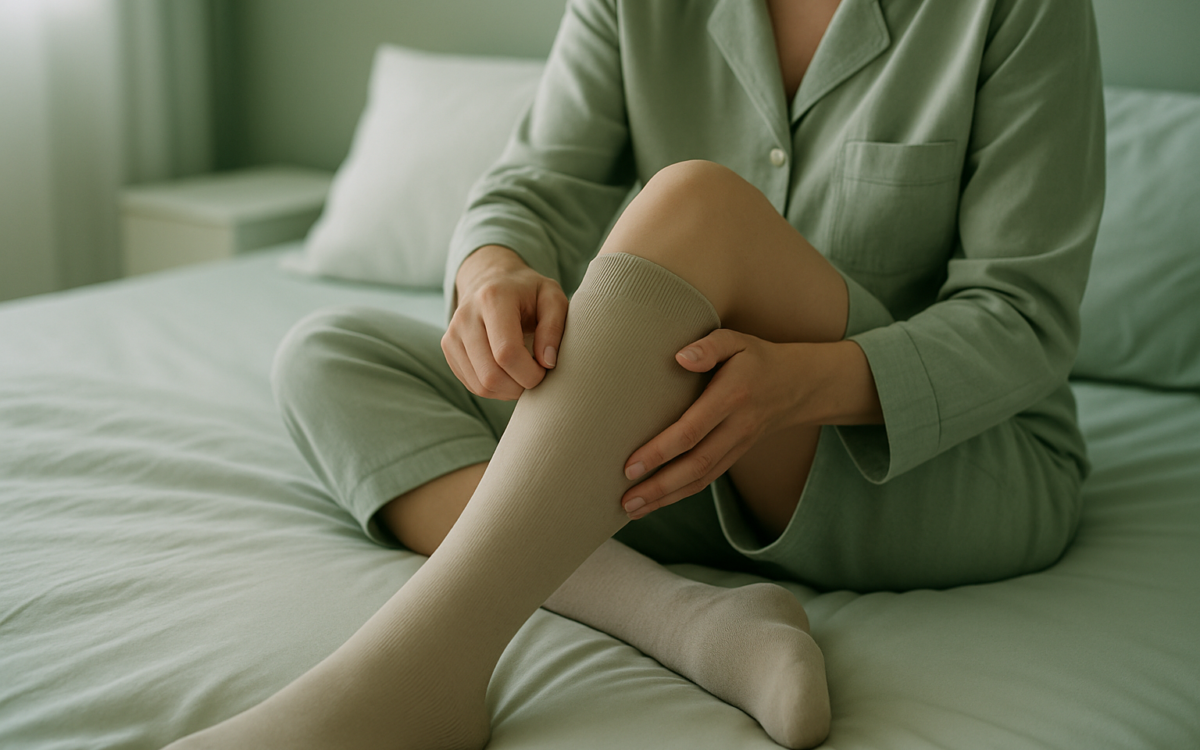
Many people have heard of compression socks, especially for activities like long flights, standing for extended periods, or even during workouts. But what about wearing them to bed? In this article, we’ll explore the potential benefits and risks of wearing compression socks while you sleep, so you can make an informed decision.
What Are Compression Socks?
Compression socks are specially designed hosiery that provide graduated pressure on the legs. This means they are tighter at the ankle and gradually become looser as they move up the leg. This design encourages better blood circulation and helps reduce the risk of blood clots. They are commonly used to treat conditions like varicose veins, edema, and chronic venous insufficiency.
Potential Benefits of Wearing Compression Socks to Bed
While wearing compression socks during the day is common, some people wonder whether they can be beneficial at night as well. Here are some potential advantages:
- Improved Blood Circulation: The primary benefit of compression socks is that they help improve blood flow. Many people who sleep with compression socks may notice less swelling in their legs upon waking.
- Reduced Leg Fatigue: If you spend a lot of time on your feet during the day, wearing compression socks to bed may help reduce leg fatigue and discomfort.
- Alleviating Symptoms of Edema: If you experience swelling in your legs or feet due to medical conditions, wearing compression socks overnight might help keep swelling in check.
Are There Risks to Wearing Compression Socks at Night?
While there can be benefits, some potential risks exist when wearing compression socks to bed:
- Discomfort: Many compression socks are designed for daytime use, where activity levels can adjust comfort levels. Wearing them to bed may lead to discomfort or pressure points, especially for those who move around in their sleep.
- Skin Issues: If compression socks are worn too tightly or are made of non-breathable material, they might cause skin irritation or exacerbate conditions like dermatitis.
- Underlying Conditions: People with certain medical conditions, such as peripheral artery disease, may be advised against wearing compression socks while resting. This is due to the risk of restricting blood flow rather than promoting it.
What Do Experts Say?
Experts generally recommend consulting with a healthcare provider before making decisions about wearing compression socks to bed. For some, they could offer benefits, while others may not need them at night. According to the National Institutes of Health (NIH), wearing compression stockings can enhance venous return and reduce the risk of thrombotic events, but the timing and purpose of wearing them should be personalized.
How to Choose Compression Socks
If you decide to try wearing compression socks to bed, it’s important to find the right pair. Here are a few tips for choosing compression socks:
- Consult Your Doctor: Before purchasing, discuss with your healthcare provider the appropriate level of compression that best suits your individual needs.
- Fit and Comfort: Choose socks that fit well and are comfortable. Look for those that have a softer material that allows for breathability.
- Correct Level of Compression: Compression socks come in different levels of pressure, typically measured in millimeters of mercury (mmHg). Ensure you select a level that is recommended for nighttime use.
Personal Experience and Preferences
Some people find that wearing compression socks to bed benefits their sleep quality and leg health, while others cannot stand the sensation during the night. Individual comfort is variable. Monitor how your body reacts to wearing compression socks through the night, and assess whether any discomfort occurs.
When to See a Doctor
If you are considering wearing compression socks to bed, it’s wise to consult your healthcare provider, especially if you have existing medical conditions such as heart disease, diabetes, or venous insufficiency. Your doctor can provide personalized recommendations to ensure the safest and most effective use for your health situation.
Conclusion
Whether or not you should wear compression socks to bed depends on your individual needs and circumstances. While they can provide benefits for some, they may not be right for everyone. Always consult with a healthcare provider to ensure that your choices align with your health goals. With careful consideration, you can make the best decision for your comfort and wellness.
