
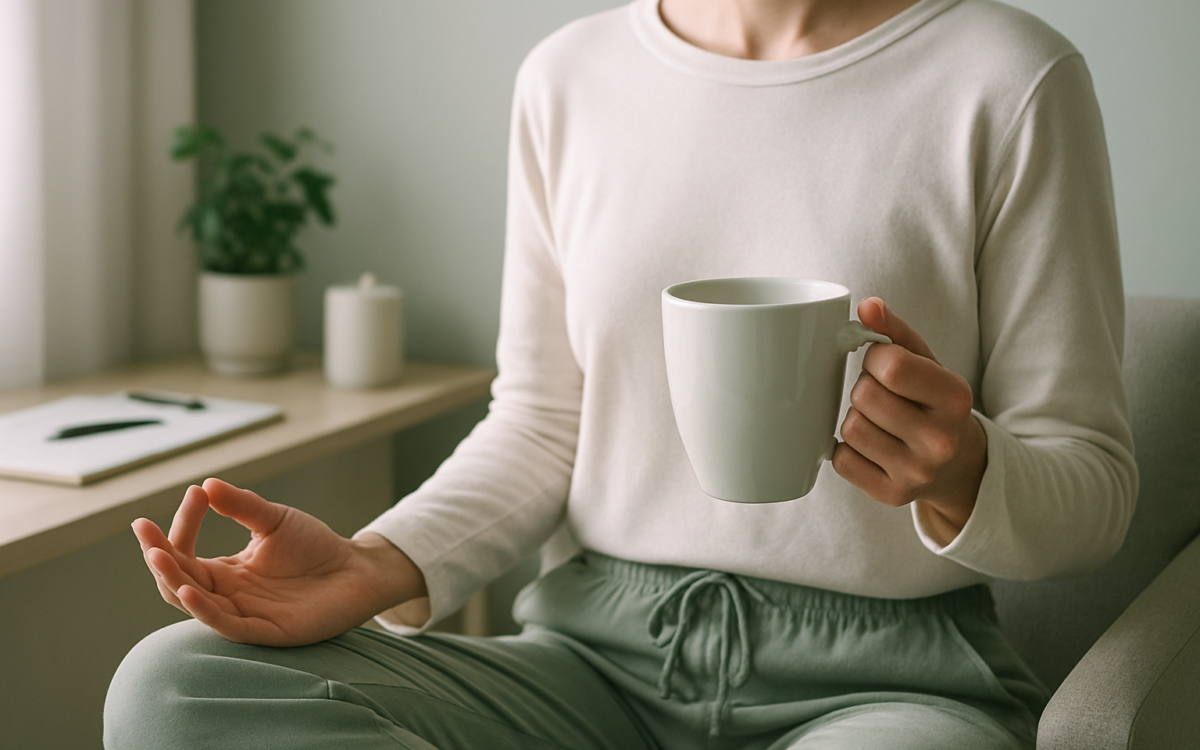
In our fast-paced world, stress has become a part of everyday life. Whether it’s work pressures, family responsibilities, or financial concerns, stress can feel overwhelming. Yet, knowing how to manage stress is essential for our mental and physical health. This article will explore practical and effective strategies to reduce stress, so you can find your calm in life’s chaos.
Understanding Stress
Stress is a natural reaction of the body to challenging situations. When faced with stressors, your body releases hormones such as adrenaline and cortisol. While these hormones can be beneficial in short bursts, chronic stress can lead to serious health problems, including anxiety, depression, and heart issues.
Recognizing the signs of stress is the first step towards managing it. Common symptoms include:
- Feeling overwhelmed or anxious
- Difficulty concentrating
- Physical symptoms like headaches or stomachaches
- Increased irritability
Being aware of your stress levels can help you take proactive steps to reduce them.
Practice Relaxation Techniques
Incorporating relaxation techniques into your daily routine can be a powerful way to combat stress. Here are a few that are particularly effective:
Deep Breathing
Deep breathing helps calm the mind and body. Try this simple practice:
- Find a quiet space.
- Sit or lie down comfortably.
- Inhale deeply through your nose for a count of four.
- Hold your breath for a count of four.
- Exhale slowly through your mouth for a count of four.
Repeat this for several minutes to help relieve stress.
Meditation
Mindfulness meditation encourages you to focus on the present moment. Spend a few minutes each day sitting quietly and focusing on your breath. If your mind wanders, gently bring your focus back.
Progressive Muscle Relaxation
This technique involves tensing and then relaxing different muscle groups. It can help you become more aware of physical sensations and relieve tension throughout your body.
Stay Active
Physical activity is one of the most effective stress relievers. Regular exercise can help reduce anxiety, improve mood, and stimulate the release of endorphins, which are natural mood lifters.
Choose activities you enjoy, such as walking, running, cycling, yoga, or dancing. Aim for at least 150 minutes of moderate aerobic activity each week, as recommended by the CDC. Even short bursts of activity can make a difference in your stress levels.
Establish Healthy Boundaries
Setting clear boundaries can help you manage your time and energy, reducing feelings of overwhelm. Here are some tips:
- Learn to say no to additional commitments that exceed your capacity.
- Communicate your limits politely but firmly to others.
- Avoid taking on too much responsibility at work or home.
- Schedule regular breaks throughout the day to recharge.
By prioritizing your own needs, you can maintain your well-being amid external pressures.
Connect with Others
Strong social connections are vital for managing stress. Talking to friends, family, or colleagues can provide perspective and support. Here’s how to strengthen your relationships:
- Reach out to loved ones regularly, even if it’s just for a quick chat.
- Join clubs or groups that interest you, allowing you to meet new people.
- Participate in community activities to foster a sense of belonging.
Having a support network will make it easier to cope with stress and feel less isolated.
Mind Your Diet
Your diet plays a significant role in how well you manage stress. Certain foods can affect your mood and energy levels. Here are some dietary tips to consider:
- Eat a balanced diet rich in fruits, vegetables, whole grains, and lean proteins.
- Limit caffeine and sugar, which can increase anxiety and lead to crashes.
- Stay hydrated, as dehydration can negatively impact your mood.
Fueling your body with nutritious foods can support your mental health and improve your resilience to stress.
When to See a Doctor
If stress becomes overwhelming and affects your ability to function in daily life, it’s essential to seek help. Consider reaching out to a healthcare professional if you experience:
- Persistent anxiety or worry
- Difficulty sleeping or changes in appetite
- Thoughts of self-harm or suicide
Seeking support can help you develop coping strategies and improve your overall mental health. You can find reliable resources by checking platforms like the World Health Organization and Mayo Clinic.
Conclusion
Reducing stress is essential for maintaining a healthy and balanced life. By implementing simple strategies like relaxation techniques, physical activity, healthy boundaries, social connections, and a nutritious diet, you can take control of your stress levels. Remember, it’s okay to ask for help when things feel overwhelming. Focus on what you can do today to create a more peaceful tomorrow.
