
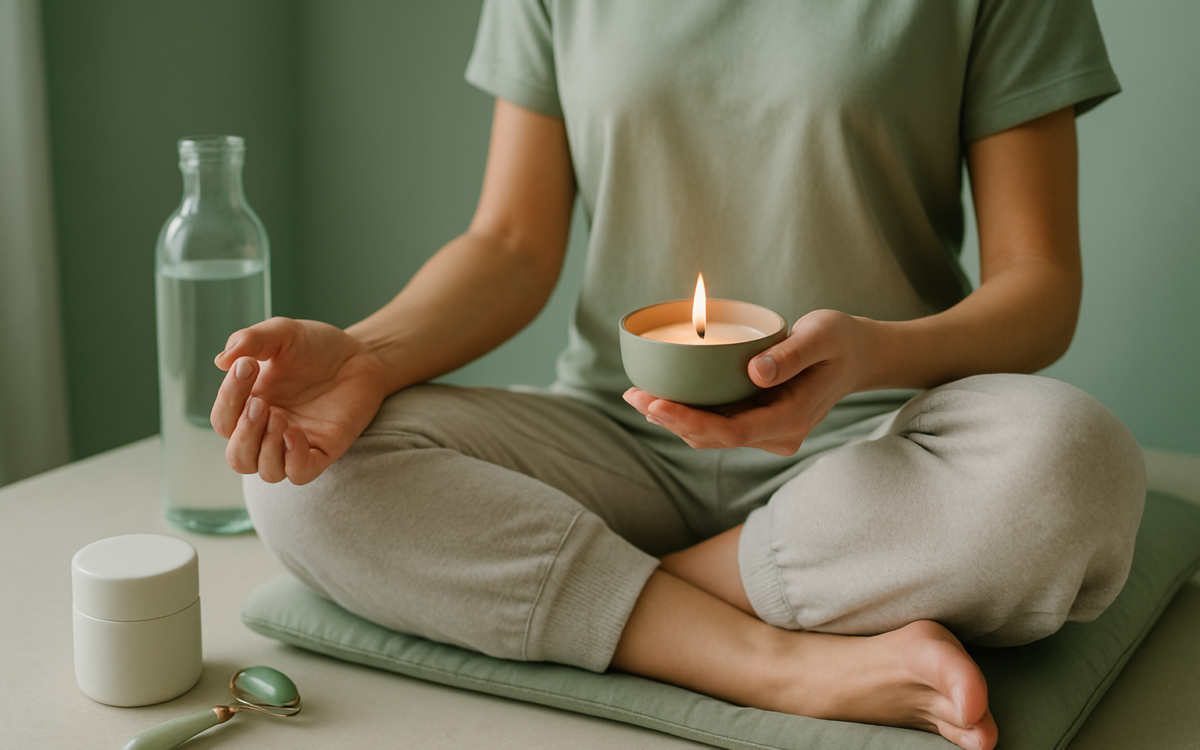
In today’s fast-paced world, stress seems to be a common companion for many of us. Whether it stems from work deadlines, family responsibilities, or personal struggles, it can be overwhelming. Finding simple and effective ways to relax can help diminish stress and improve overall well-being. Luckily, there are easy relaxation techniques that can fit into even the busiest of schedules. Let’s explore some of these helpful practices.
1. Breathing Exercises
One of the quickest ways to manage stress is through controlled breathing. Deep breathing exercises have been shown to trigger the body’s relaxation response, reducing tension and promoting a sense of calm.
- Diaphragmatic Breathing: Sit or lie down comfortably. Place one hand on your chest and the other on your stomach. Inhale deeply through your nose, allowing your stomach to rise while keeping your chest still. Exhale slowly through your mouth. Repeat several times.
- 4-7-8 Technique: Inhale quietly through your nose for 4 seconds, hold your breath for 7 seconds, and exhale slowly through your mouth for 8 seconds. This method can help calm your mind and body.
2. Mindfulness Meditation
Practicing mindfulness involves being aware of the present moment without judgment. This technique can significantly reduce stress by allowing you to detach from racing thoughts and overwhelming feelings.
To start, find a quiet space where you won’t be disturbed. Sit comfortably and close your eyes. Focus on your breathing, noticing each inhale and exhale. If your mind wanders, gently guide your attention back to your breath. Begin with just a few minutes a day and gradually increase the duration as it feels comfortable.
3. Physical Activity
Physical activity is not only essential for physical health but also serves as an excellent stress reliever. Engaging in exercise releases endorphins—natural chemicals in the brain that enhance your mood.
You don’t need to run a marathon, though. Simple activities such as walking, dancing, or even gentle stretching can work wonders. Aim for at least 30 minutes of moderate exercise most days.
4. Nature Breaks
Spending time in nature can have profound effects on our mental health. Activities like hiking, walking in a park, or gardening allow you to disconnect from daily stressors and reconnect with yourself. Science shows that nature can reduce levels of cortisol, the stress hormone, and improve mood. Try to take short breaks outdoors when possible, even if it’s just stepping outside for a few minutes.
Exploring Wellness Abroad
If you’re thinking about combining relaxation with travel, consider seeking treatment in Turkey. Many international destinations offer holistic wellness retreats that focus on mental and physical health. These experiences can be enriching and provide tools to manage stress effectively, alongside an opportunity to explore new cultures.
5. Journal Writing
Writing your thoughts and feelings can serve as a valuable method of self-reflection and stress management. Journaling allows you to express your emotions, sort through problems, and reflect on positive experiences.
Try allocating a few minutes each day to write down your thoughts. You might focus on what made you happy that day or what you’re grateful for. This practice can shift your mindset and reduce feelings of stress and anxiety.
6. Connect with Others
Social connections are crucial for maintaining mental health. Spending time with friends and family can provide support and comfort during stressful times. Whether it’s through phone calls, video chats, or in-person meetings, talk to someone you trust about your feelings.
Engaging in community activities can also be a great way to connect with others while providing a distraction from stress. Consider volunteering or joining local groups to foster connections and create a sense of belonging.
When to See a Doctor
While these relaxation tips can help in managing everyday stress, it’s important to seek professional help if you find that stress is overwhelming or persistent. If you experience symptoms such as chronic fatigue, anxiety that interferes with daily life, or physical health issues related to stress, consult your doctor or a mental health professional. They can guide you through treatment options and support you towards a healthier, more balanced life.
Finding your way to relaxation amidst life’s chaos doesn’t have to be complicated. By incorporating simple and accessible techniques into your routine, you can build resilience against stress and cultivate a greater sense of well-being.
