
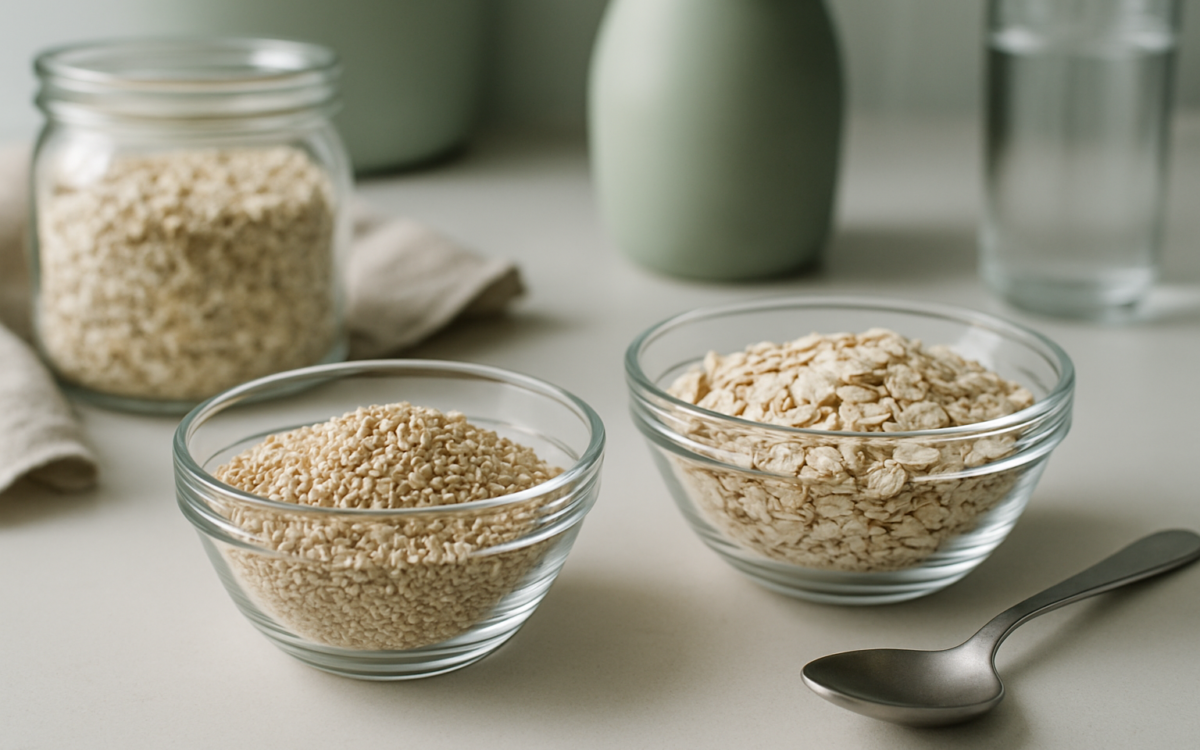
When it comes to choosing a wholesome breakfast, oats are often at the top of the list. However, with various types available, many people wonder: what’s the difference between steel-cut oats and rolled oats? Both options are delicious and nutritious, but they offer different textures, cooking methods, and health benefits. Let’s delve deeper into these two popular choices to help you make an informed decision.
Understanding the types of oats
Oats come from the Avena sativa plant and are processed in different ways to create various products. The main types include whole oats, steel-cut oats, rolled oats, and instant oats. The method of processing primarily affects the cooking time, texture, and nutritional value of the final product.
What are steel-cut oats?
Steel-cut oats are whole oat groats that have been chopped into pieces with steel blades. This process gives them a coarse texture and a nutty flavor. Because they are less processed than rolled oats, they typically retain more of their original nutritional benefits. Steel-cut oats take longer to cook—usually about 20 to 30 minutes—but many find the chewy texture and rich flavor worth the wait.
What are rolled oats?
Rolled oats, also known as old-fashioned oats, are steamed and then flattened with large rollers. This method allows them to cook faster, usually requiring just 5 to 10 minutes. Rolled oats have a softer, creamier texture compared to steel-cut oats and are often used in baking and cooking due to their versatility. They can also be found in instant versions, which are pre-cooked and dehydrated for even quicker preparation.
Nutritional comparison
When considering steel-cut oats vs. rolled oats, nutrition plays a crucial role. While both types are healthy, they do present some differences:
- Fiber: Both steel-cut and rolled oats are rich in dietary fiber, which can help support digestive health and regulate blood sugar. Steel-cut oats provide slightly more fiber since they are less processed.
- Protein: Both varieties offer a good amount of protein, making them filling breakfast options. Steel-cut oats typically have a bit more protein per serving.
- Vitamins and minerals: Oats are an excellent source of essential nutrients like manganese, phosphorus, magnesium, and iron. Both types retain most of these nutrients, although the processing of rolled oats may result in slight losses.
For detailed nutritional information, visit the National Institutes of Health.
Health benefits of oats
Both steel-cut and rolled oats come with numerous health benefits:
- Heart health: Oats contain beta-glucan, a type of soluble fiber that has been shown to reduce cholesterol levels, promoting better heart health.
- Weight management: The fiber in oats helps you feel full longer, which can aid in weight management.
- Blood sugar control: The low glycemic index of oats helps regulate blood sugar levels, making them suitable for people with diabetes.
For more information on the health benefits of oats, consider checking guidance from the Centers for Disease Control and Prevention.
Culinary uses and cooking tips
Choosing between steel-cut oats and rolled oats often depends on how you plan to use them in your meals:
Steel-cut oats
These oats work wonderfully for hearty breakfast bowls. You can add fruits, nuts, and your favorite sweeteners. Here are some cooking tips:
- For added flavor, toast the oats in a dry skillet for a few minutes before cooking.
- Consider overnight soaking to reduce cooking time.
- Cook them with milk or a milk alternative for a creamier texture.
Rolled oats
Rolled oats are often used in recipes for oatmeal cookies, granola, and overnight oats. Here are some preparation ideas:
- Mix rolled oats with yogurt and fruits for a simple breakfast.
- Use rolled oats to thicken soups or stews.
- In baking, remember to measure them correctly since different recipes may require different types of oats.
Choosing the right option for you
Your choice between steel-cut oats and rolled oats largely depends on personal preference and lifestyle. If you enjoy a chewier texture and can spare time in the morning, steel-cut oats might be your best bet. However, if you’re looking for convenience and speed, especially during busy mornings, rolled oats are a great choice!
Storage and shelf life
Both steel-cut and rolled oats have a long shelf life when stored properly. Keep them in an airtight container in a cool, dry place to maintain freshness. Typically, they can last up to several months, or even longer if refrigerated. Always check for any signs of spoilage, such as off smells or odd colors, before consuming.
When to see a doctor
If you experience digestive issues, allergic reactions, or any other health concerns related to your diet, it’s a good idea to consult with a healthcare professional. They can guide you based on your individual health needs.
In conclusion, steel-cut oats and rolled oats each bring unique benefits and features to your diet. They are both nutritious and versatile, allowing you to enjoy them in a variety of ways. Whether you prefer the chewy texture of steel-cut oats or the quick and creamy rolled oats, integrating either into your daily routine can be a delicious step toward better health.
