
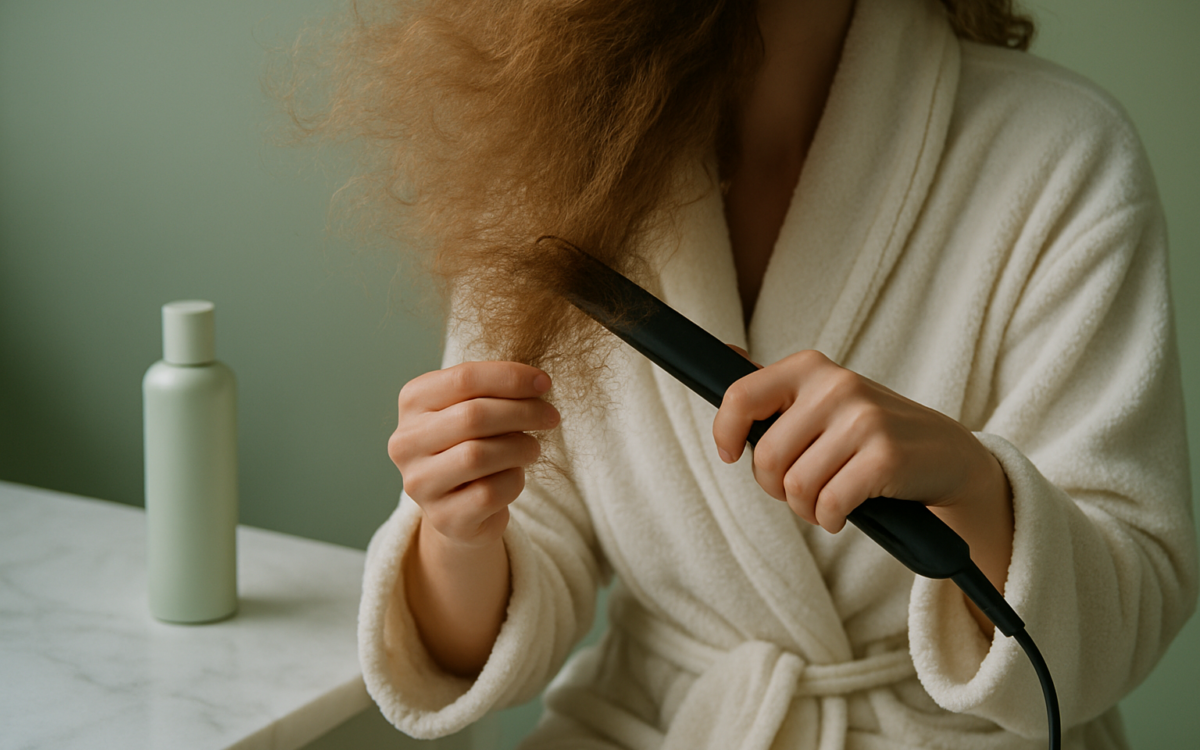
Frizzy hair can feel like a constant battle, especially in humid weather or after a long day. With its unruly texture, it can be frustrating to manage, often leading to styling challenges and a search for the right products. Fortunately, there are effective ways to tame frizz and encourage healthy-looking hair. This article explores the causes of frizzy hair and practical tips that can help restore smoothness and shine.
Understanding the Causes of Frizz
Frizz occurs when hair strands become dry and damaged, causing them to absorb moisture from the air. Here are some common culprits of frizzy hair:
- Humidity: High humidity can cause hair to swell and lose its sleekness.
- Hair Damage: Over-processing, heat styling, and coloring can weaken hair, making it more prone to frizz.
- Dryness: Lack of moisture, often due to environmental factors or harsh hair products, can contribute to frizz.
- Hair Type: Curly and wavy hair types are naturally more prone to frizz.
Hydration is Key
Keeping your hair hydrated is one of the most effective ways to combat frizz. Here are some hydrating tips:
Use Moisturizing Shampoos and Conditioners
Look for shampoos and conditioners that are specifically designed for dry or frizzy hair. Ingredients like shea butter, argan oil, and glycerin can help lock in moisture.
Deep Conditioning Treatments
Incorporate a deep conditioning treatment into your routine at least once a week. These treatments penetrate the hair shaft for deeper moisture and nourishment. You can find both store-bought masks and DIY recipes online.
Styling Techniques to Minimize Frizz
How you style your hair can greatly impact its frizz level. Here are some styling techniques that can help:
Embrace Air Drying
Instead of using heat to dry your hair, consider air drying whenever possible. If you must use a blow dryer, opt for a diffuser and a low heat setting.
Limit Heat Styling
Minimize the use of curling irons, straighteners, and other heat-styling tools. If heat styling is necessary, always use a heat protectant spray to shield your hair from damage.
Comb or Brush Wet Hair Carefully
After washing your hair, use a wide-tooth comb to detangle when it is still wet. Brushing wet hair can lead to breakage and frizz.
The Role of Hair Products
Choosing the right hair products can make a significant difference in managing frizz. Consider the following:
- Smoothing Serums: Lightweight serums can help seal the hair cuticle and add shine.
- Anti-Frizz Sprays: These are great for maintaining sleek styles, especially on humid days.
- Oils: Natural oils like coconut, olive, and argan oil can help nourish and smooth frizz. Apply sparingly, focusing on the ends of your hair.
For those looking for advanced treatments, exploring options at international clinics through resources like acibademinternational.com can provide insights into specialized hair therapies tailored to your needs.
Tools to Help Control Frizz
In addition to products, the tools you use can also impact your hair’s frizz level:
Microfiber Towels
Traditional bath towels can rough up the hair cuticle, leading to frizz. Consider using a microfiber towel to gently blot your hair dry instead.
Silk or Satin Pillowcases
Switching to silk or satin pillowcases can reduce friction while you sleep, which can help keep your hair smooth and frizz-free.
Choose the Right Hairbrush
Look for natural bristle brushes or those designed specifically for frizz control. They can help distribute oils evenly and reduce static.
When to See a Doctor
If you notice excessive hair loss, severe scalp irritation, or significant changes in hair texture, it may be wise to consult a healthcare provider or dermatologist. These could be signs of an underlying health condition or skin issue.
Conclusion
Frizzy hair is a common issue for many, but it doesn’t have to be a permanent state. By understanding the causes of frizz and making simple adjustments in your hair care routine, you can achieve smoother, healthier-looking locks. Hydrating products, mindful styling techniques, and the right tools can transform your hair into a manageable mane, even in challenging weather. Remember, if you find that your hair condition isn’t improving, or you are concerned about hair loss or scalp issues, seeking medical advice is always a good step. Enjoy your journey to luscious hair!
