
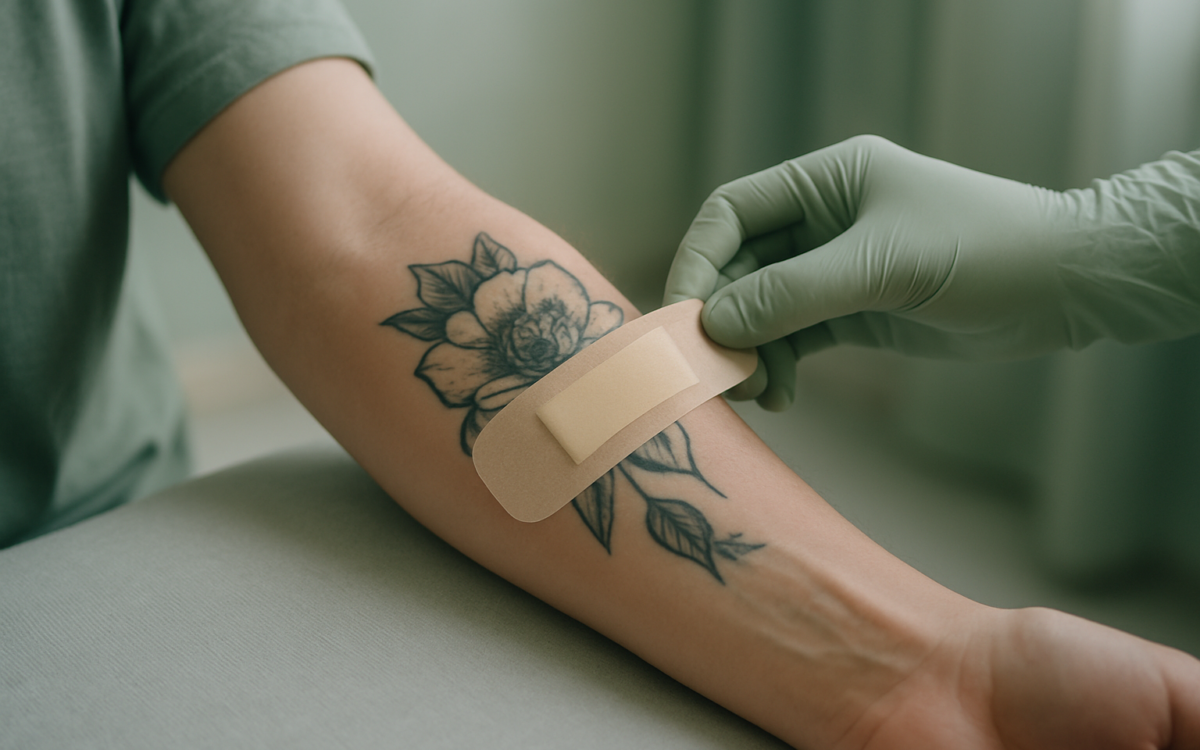
Tattoos have long been a form of self-expression, artistry, and culture. Whether you are considering your first ink or are adding to your collection, it’s essential to understand the healing process to ensure your tattoo looks its best and stays healthy. So, how long does a tattoo take to heal fully? The answer may vary, but knowing the general timeline and aftercare can help you navigate this journey with ease.
The Healing Timeline
Generally, the healing of a tattoo can be divided into three main phases: the initial healing phase, the intermediate phase, and the final healing phase. Understanding these stages can give you a clearer picture of what to expect.
1. Initial Healing Phase (1-2 Weeks)
During the first week after getting a tattoo, your skin is in a state of shock. The tattoo is essentially an open wound, so it’s crucial to take great care of it. In this stage, you may experience:
- Redness: The area around the tattoo may appear swollen or red, which is a normal response to the trauma inflicted by the needles.
- Itching: As the area begins to heal, you might notice itching. This is a natural part of the healing process.
- Scabbing: Small scabs can form as the skin starts to regenerate.
To promote healing, keep your tattoo clean and moisturized. Apply a thin layer of recommended ointment or lotion regularly, as advised by your tattoo artist.
2. Intermediate Healing Phase (2-4 Weeks)
As the first two weeks pass, you will enter the intermediate healing phase. Here’s what typically happens:
- Peeling: Your skin may start to peel, much like a sunburn. This peeling is a part of the healing process and should not be picked at.
- Fading: The tattoo may appear less vibrant than when first inked, but this is normal. The colors will settle back in time.
- Less Sensitivity: The area should become less sensitive, and the redness will usually diminish.
Continue to apply moisturizer, avoiding anything heavily scented, which can irritate the skin further.
3. Final Healing Phase (4-6 Weeks)
By weeks four to six, most tattoos will appear fully healed on the surface, though the deeper layers of skin may still be recovering. Key signs include:
- No Redness: The redness should be completely gone.
- Stable Color: The color of your tattoo should look clear and vibrant.
- Soft Texture: The area should feel smooth to the touch without any lumps or raised areas.
Most sources suggest that a tattoo can take about four to six weeks to heal completely, with deeper layers of skin potentially taking up to a few months to fully recover. Keep in mind that individual healing times may vary based on factors such as age, skin type, and health.
Factors Affecting Healing Time
While the general timeline is a good guideline, several factors can influence how quickly your tattoo heals:
- Skin Type: Oily, dry, or sensitive skin can affect healing rates. For example, oily skin may heal faster but may have issues with ink retention.
- Aftercare: Proper aftercare is crucial. Following your tattoo artist’s recommendations and avoiding sun exposure can expedite healing.
- Health & Wellness: Overall health, including nutrition and hydration, plays a role in skin recovery. Conditions like diabetes or autoimmune disorders may hinder the healing process.
- Tattoo Size and Placement: Larger tattoos or those on areas that experience a lot of movement (like joints) may take longer to heal than smaller tattoos.
Common Healing Issues
While it’s typical for tattoos to heal in stages, some individuals may encounter issues that can prolong the healing process:
- Infection: An infected tattoo may cause increased redness, swelling, pus, or fever. Infection is a serious complication that requires medical attention.
- Allergic Reactions: Some people may experience allergic reactions to tattoo ink or aftercare products, leading to itching and irritation.
- Scarring: Improper aftercare or picking at scabs can lead to scarring, which may affect the appearance of the tattoo.
If you notice any of these issues, consult a healthcare professional for guidance.
When to See a Doctor
If at any point your tattoo shows signs of infection or extreme irritation—such as persistent redness, warmth, or oozing—it is essential to consult a medical professional. Timely intervention can prevent complications. Additionally, if you are experiencing severe allergic reactions or any other concerning symptoms, seeking medical advice is paramount.
Tips for Better Tattoo Aftercare
Taking care of your tattoo is crucial for a successful healing process and preserving the artwork. Here are some general aftercare tips:
- Keep it Clean: Wash the tattoo gently with mild soap and water, patting it dry with a clean towel.
- Avoid Direct Sunlight: Protect your new tattoo from sun exposure. Cover it or use sunscreen once it’s healed.
- Stay Hydrated and Healthy: Drinking water and eating a balanced diet can help your skin heal faster.
- Don’t Pick or Scratch: Resist the urge to scratch, pick, or peel the tattoo.
Conclusion
Understanding the healing timeline of a tattoo not only prepares you for the journey but also helps ensure you get the best results from your new ink. While it typically takes about four to six weeks for a tattoo to heal fully, many factors can influence this duration. Always follow the aftercare advice offered by your tattoo artist and remain vigilant for any signs of complications. Remember, patience is key in allowing your new artwork to flourish!
