
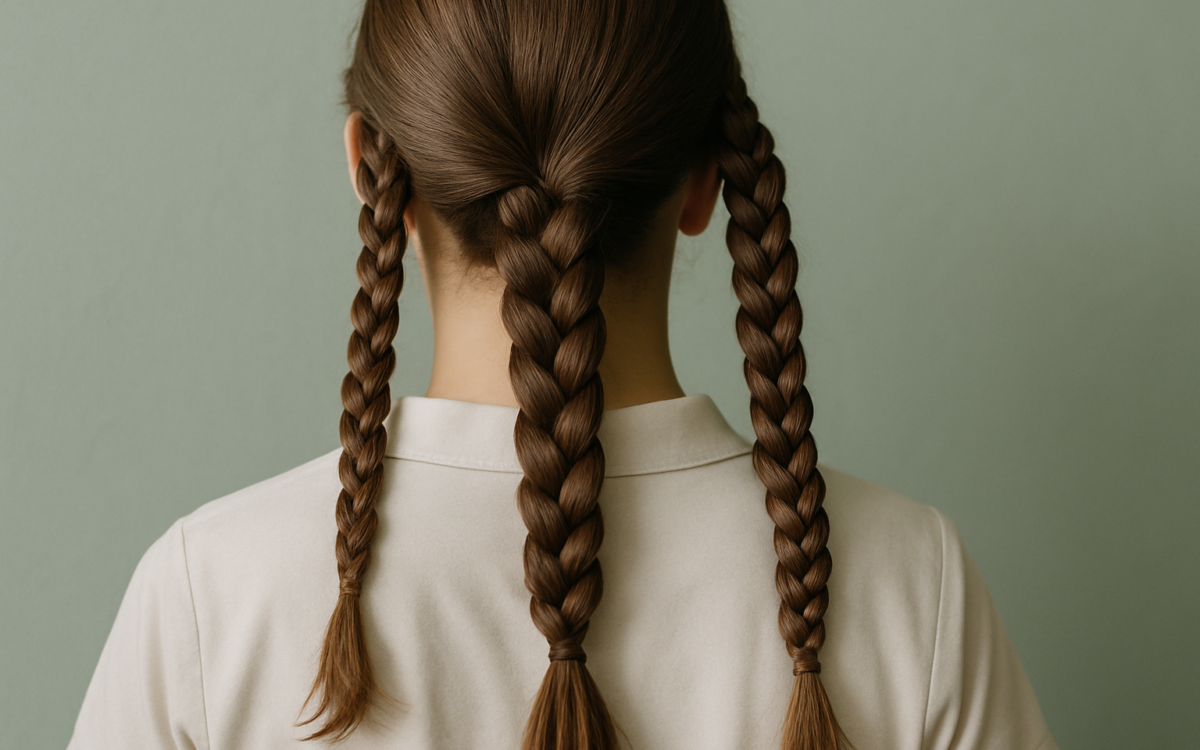
Braids have been a popular hairstyle for centuries, transcending cultures and generations. They serve not just as a functional way to manage hair but are also an artistic form of expression. Whether you’re trying to keep your hair neat, express your creativity, or engage in a cultural tradition, braids offer versatility and style. Let’s explore the different types of braids and how to choose the perfect one for your next look.
Classic Three-Strand Braid
The classic three-strand braid is the simplest and most recognizable type of braid. It’s created by dividing hair into three sections and crossing them over each other alternately. This braid is perfect for casual wear and can easily be adapted into different styles. You can keep it simple or add volume by teasing the hair before braiding, giving it a beautiful texture.
French Braid
The French braid adds a touch of elegance and can be worn for both casual outings and formal events. It involves starting with a small section of hair at the crown of your head and gradually adding more hair strands as you braid downwards. This style is great for keeping hair secure and has a lovely, polished appearance.
Fishtail Braid
The fishtail braid is a striking style that looks intricate yet is surprisingly easy to create. To achieve this look, divide your hair into two sections, then take small pieces from one section and cross them over to join the other section. The result is a beautiful, textured braid that flies in the face of convention. This style is ideal for showcasing vibrant hair colors and highlights.
Boxer Braids
Boxer braids have surged in popularity thanks to their practical yet stylish design. This style consists of two Dutch braids that are worn close to the scalp. They are ideal for athletic activities, keeping your hair off your face while still looking chic. Boxer braids can be decorated with accessories like colorful ribbons or beads to add a unique flair.
Waterfall Braid
The waterfall braid is a romantic style that creates an illusion of cascading hair. This braid involves incorporating strands of hair in such a way that some pieces cascade down while others stay woven into the braid. This technique is perfect for adding a bohemian touch to casual outfits or dressing up for a special occasion.
Cultural Significance of Braids
Braids have a deep cultural significance in many societies around the world. For example, in African cultures, intricate braiding styles can signify social status, age, or even community belonging. Many international clinics, like those found on acibademinternational.com, recognize that hairstyles, including braids, are integral not just to personal identity but also to cultural expressions. Understanding these meanings can enhance our appreciation and respect for the art of braiding.
Care Tips for Braided Hair
When opting for braids, it’s crucial to take good care of your hair to prevent damage. Here are some tips:
- Keep it clean: Regularly wash your scalp and braids to avoid product buildup.
- Moisturize: Use hair oils or creams to keep your hair hydrated and prevent breakage.
- Avoid tight styles: Choose loosely done braids to minimize stress on your hair follicles.
When to See a Doctor
If you experience excessive hair loss or scalp irritation, it’s essential to consult a doctor or dermatologist. They can assess your condition and suggest appropriate treatments or changes to your hair care routine. Persistent issues might indicate underlying health concerns that need to be addressed.
As you can see, braids offer not just a way to manage hair but also an artistic outlet that spans various cultures and styles. The next time you’re contemplating a new hairstyle, consider the unique possibilities that different types of braids can bring to your look.
