
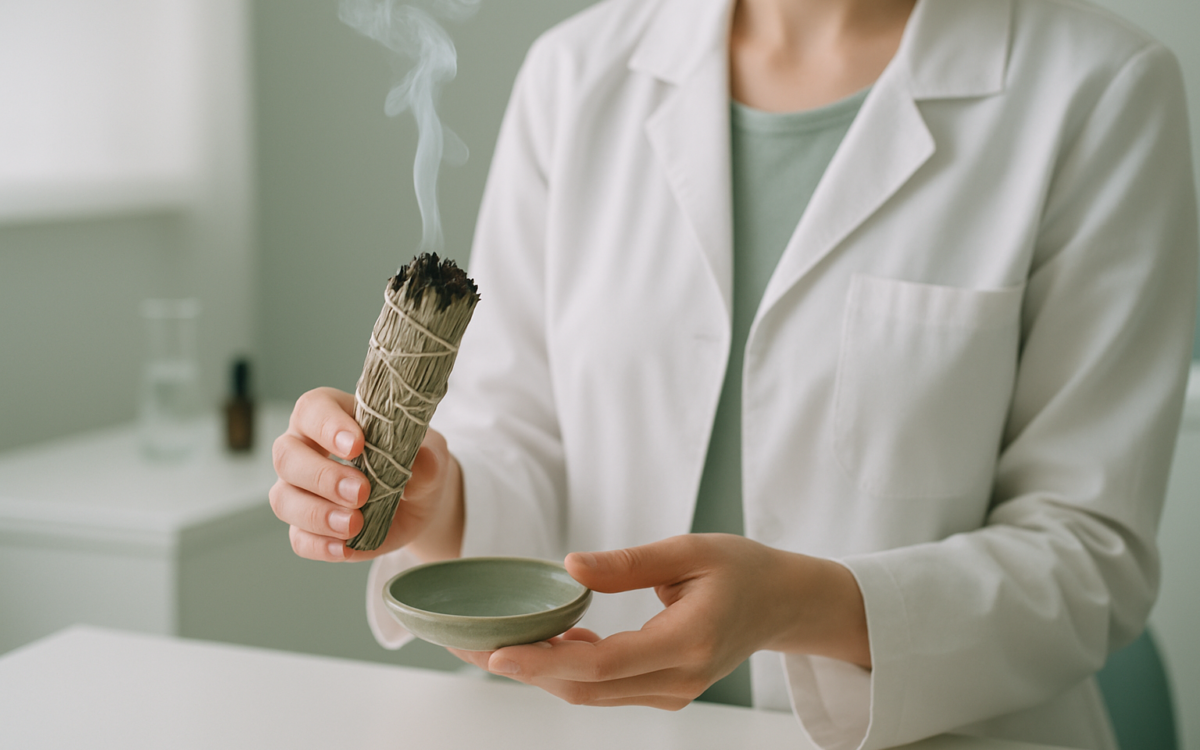
Burning sage, also known as smudging, has been a part of spiritual and cultural traditions for centuries. Many people are drawn to the practice for its potential benefits, including purification, relaxation, and enhanced focus. If you’re curious about what burning sage involves, how it’s done, and what science says about its benefits, read on.
What is Burning Sage?
Burning sage refers to the practice of lighting dried sage leaves to produce smoke. This smoke is believed to promote cleansing and healing both in one’s physical environment and oneself. Traditionally, sage is used in various cultural rituals, especially within Indigenous communities in North America. The gentle, earthy aroma can create a calming atmosphere, often fostering mindfulness and reflection.
Benefits of Burning Sage
Many enthusiasts claim numerous benefits to burning sage, ranging from physical to emotional effects.
1. Cleansing Negative Energy
One of the main reasons people burn sage is to cleanse their space of negative energy. The belief is that the smoke can attach to these energies and carry them away. While scientific proof of this concept may be limited, many individuals report feeling more at ease and lightened after a sage ritual.
2. Enhanced Mood and Relaxation
Some studies suggest that the aroma of sage may have a positive impact on mental well-being. For example, research published by the National Institutes of Health indicates that certain scents can alter mood and cognition positively. While burning sage is not a cure for anxiety or stress, many find its calming scent helps promote relaxation, making it easier to unwind after a long day.
3. Improved Focus and Clarity
Certain herbs, including sage, have been associated with enhanced focus and mental clarity. In a study conducted to evaluate the effects of aromatic compounds on cognitive performance, participants exposed to sage essential oil performed better in cognitive tests than those who were not. Burning sage may help create a conducive environment for studying or working, allowing for clearer thoughts and better concentration.
4. Spiritual Connection
For many, burning sage is a spiritual practice. It can be a way to connect with higher states of awareness and establish intentions. Whether used in personal rituals or group ceremonies, the act of smudging can serve as a form of prayer, meditation, or self-reflection. Practitioners feel it can help them align more closely with their spiritual beliefs.
How to Properly Burn Sage
If you’re interested in trying burning sage, here’s a simple guide:
- Choose Your Sage: White sage is commonly used for smudging, but other types like blue sage or lavender sage can also be effective.
- Prepare Your Space: Open a window or door before you start. This allows the smoke—and any unwanted energy—to leave the area.
- Light the Sage: Use a lighter or match to ignite the end of the sage bundle until it starts to smolder. Once it produces smoke, blow out the flame.
- Smudge Your Space: Move the sage around your space, focusing on corners, doorways, and windows. You can also wave the smoke around your body to cleanse your energy.
- Extinguish Safely: After you finish, put the sage bundle in a fireproof dish to let it cool completely, ensuring it is out.
Burning Sage Around the World
While burning sage is most commonly associated with Native American traditions, many cultures around the world practice similar rituals with different herbs and plants. In Mediterranean cultures, for instance, rosemary and thyme are often used for purification. In parts of Asia, incense burning with various herbs serves analogous purposes.
As international interest in wellness continues to grow, it’s fascinating to see how practices combining tradition and natural remedies come together. Centers like Acibadem International offer insight into global health practices, including traditional methods of purification and healing.
Precautions and Considerations
While burning sage is widely appreciated, it’s essential to consider a few aspects:
- Allergies and Sensitivities: Some individuals may be allergic or sensitive to smoke. If you find yourself coughing or having difficulty breathing, it might be best to stop.
- Fire Safety: Always ensure you burn sage in a safe environment away from flammable materials, and never leave it unattended.
- Consult Professionals: Those with medical conditions, particularly respiratory issues, should consult a healthcare professional before trying sage burning. It’s essential to ensure it’s safe for your specific situation.
When to See a Doctor
If you notice increased respiratory problems such as wheezing, coughing, or difficulty breathing after or during sage-burning sessions, consider discussing this with your healthcare provider. Additionally, if feelings of anxiety persist despite relaxation techniques, seeking guidance from a mental health professional may be beneficial.
Conclusion
Burning sage can be a meaningful practice for many, offering a connection to tradition, a method for relaxation, and a way to enhance focus. Whether you’re looking to cleanse your space, boost your mood, or simply enjoy the calming scent, exploring this ancient practice may introduce you to new dimensions of wellness. Always remember to approach it mindfully and consider any health concerns you may have. With proper care, burning sage can be an enriching addition to your wellness routine.
