
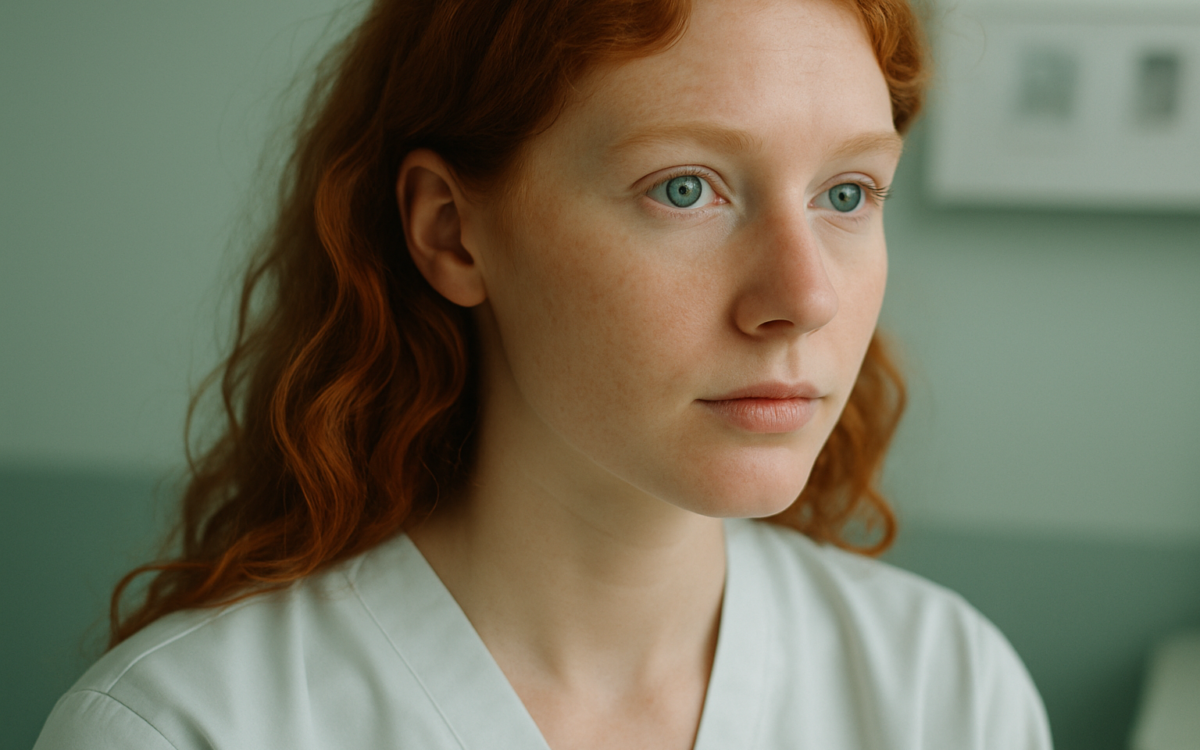
Red hair and blue eyes are two of the rarest and most captivating traits in human appearance. The combination of these striking features invites curiosity and admiration, sparking conversations about genetics, culture, and health. But what makes these traits so special? In this article, we’ll dive into the origins of red hair and blue eyes, explore their cultural significance, and discuss some health considerations for those who possess these remarkable features.
Understanding the Genetics
Red hair is a result of a mutation in the MC1R gene, which is also responsible for producing melanin, the pigment that gives color to hair, skin, and eyes. People with red hair typically have lower amounts of eumelanin (the dark pigment) and higher amounts of pheomelanin (the light pigment), resulting in that vibrant red hue. Blue eyes, on the other hand, occur due to a unique genetic variation that affects how light is scattered in the iris. Research shows that blue eye color is linked to a genetic variation in the OCA2 and HERC2 genes. These characteristics are often passed down through generations, which is why both traits are found together in some individuals.
Cultural Significance of Red Hair and Blue Eyes
Across various cultures, red hair and blue eyes have held different meanings and associations. In Western culture, red-haired individuals have often been depicted as fiery and passionate, while those with blue eyes have been regarded as symbols of purity and beauty. In folklore and mythology, redheads have been both admired and marginalized. For example, in ancient Egypt, red-haired individuals were sometimes deemed worthy of special attention, while in medieval Europe, they were often viewed suspiciously due to superstitions.
In modern media and fashion, people with red hair and blue eyes have become more visible and celebrated. Models and celebrities with this unique combination have appeared in various campaigns, breaking stereotypes and redefining beauty standards. This blend of traits is not just visually striking; it carries with it a story of diversity and resilience.
Health Considerations for Redheads with Blue Eyes
While red hair and blue eyes may be visually stunning, they can come with specific health considerations. Individuals with these traits generally have fairer skin, which means they are often more susceptible to sunburn and skin cancer. Studies suggest that redheads may require more protection from UV rays due to having less melanin in their skin. It’s essential for those with red hair and blue eyes to practice sun safety, such as wearing protective clothing, using high-SPF sunscreen, and seeking shade during peak sun hours.
Additionally, people with these characteristics might experience differences in pain sensitivity and response to anesthesia. Some research indicates that red-haired individuals may require higher doses of anesthesia for surgical procedures. Understanding these nuances is essential for anyone with this gene combination and can guide decisions about health care. For those seeking treatment, especially at an international level, it’s beneficial to learn about health facilities that cater to individual needs, such as those found on acibademinternational.com.
Emotional and Psychological Aspects
The emotional experience of being a redhead with blue eyes can be varied. Individuals often report feeling unique, sometimes even unusual due to the rarity of their features. While many embrace their distinct appearance, some may face teasing or bullying during childhood. Studies have shown that children with red hair may experience social challenges due to their unique looks. As they grow older, however, many come to appreciate their individuality, turning perceived disadvantages into sources of strength.
Moreover, a growing trend advocates for self-love and acceptance of one’s natural features. Social media has amplified this message, with countless platforms supporting people to embrace and celebrate their red hair and blue eyes. Communities have formed where individuals can share their experiences and encourage one another to value the beauty and diversity that these traits represent.
Famous Redheads with Blue Eyes
The world has seen many famous redheads with blue eyes who have left their mark in various fields. From actors like Nicole Kidman and Julianne Moore to musicians such as Ed Sheeran, these individuals have showcased the beauty and talent associated with this striking combination. Their fame not only helps to celebrate their unique traits but also inspires a sense of pride in others who share similar features. In entertainment and beyond, these redheads remind us that beauty comes in all shades and colors.
Painting a Picture of Diversity
In conclusion, the combination of red hair and blue eyes is more than just an aesthetic marvel; it is a blend of genetics, culture, and health considerations that highlight the diversity of human traits. Understanding the origins and implications of these characteristics can foster a deeper appreciation for uniqueness in ourselves and others. As society continues to evolve and redefine beauty standards, embracing diversity in appearance and identity is crucial for a more inclusive future.
When to See a Doctor
If you have red hair and blue eyes, it’s important to be aware of your health risks, particularly concerning skin health. If you notice any unusual changes in your skin, such as new moles or changes to existing ones, consult your healthcare provider. Regular check-ups and skin screenings are critical for early detection of any skin conditions.
Remember, whether celebrating the beauty of red hair and blue eyes or simply embracing your unique features, your health should remain a priority. Always consult with a healthcare professional for personalized advice and care.
