
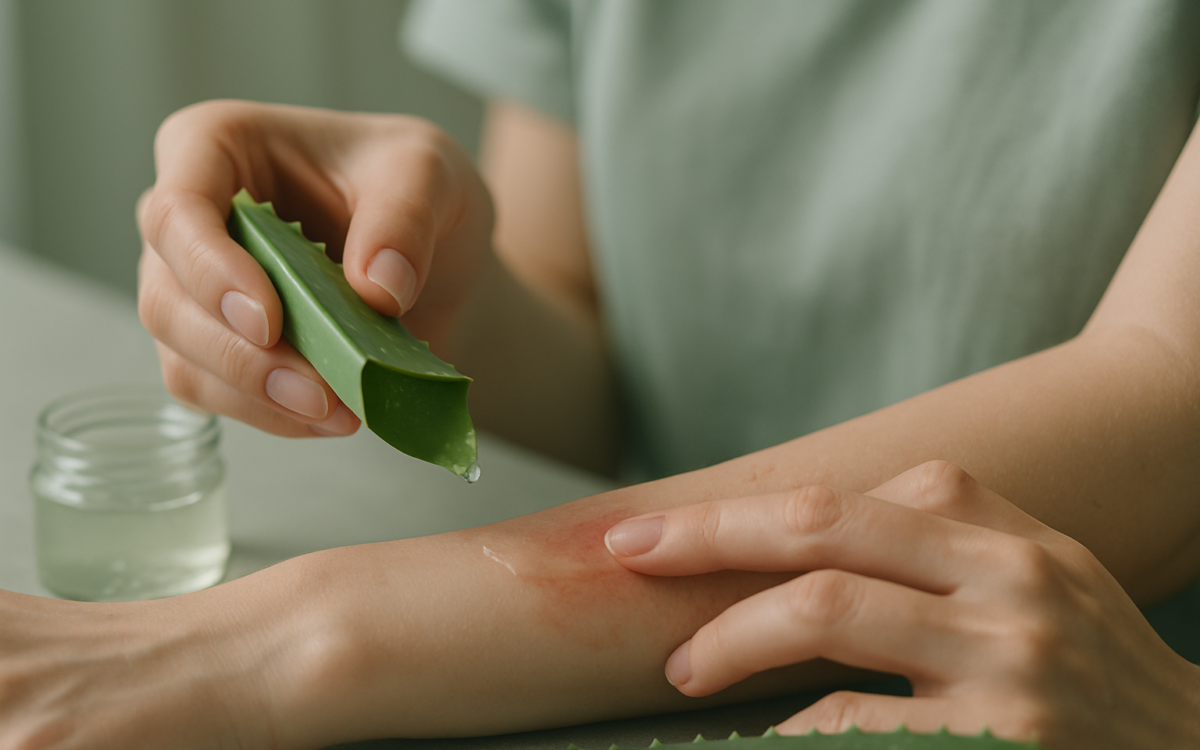
Aloe vera is not just a trendy plant; it’s a powerhouse of healing properties that can aid in the treatment of burns. Whether it’s a sunburn from a day at the beach or a minor kitchen mishap, aloe has been used for centuries as a natural remedy. In this article, we will explore the benefits of aloe vera for burns, how to use it, and when you should seek medical attention.
Understanding Burn Types
To fully appreciate the healing properties of aloe vera, it’s important to understand the types of burns:
- First-degree burns: These affect only the outer layer of skin, causing redness and mild pain, often seen with sunburns.
- Second-degree burns: These burns can affect both the outer layer and the inner layer of skin, resulting in blisters and more intense pain.
- Third-degree burns: These extend through all layers of skin and can damage underlying tissues, often requiring medical intervention.
Aloe vera is particularly effective for first and second-degree burns, providing immediate relief and promoting healing.
What Makes Aloe Vera Effective?
Aloe vera contains numerous compounds that make it an excellent choice for burn care:
- Antioxidants: Aloe vera is rich in vitamins A, C, and E, which help reduce inflammation and support skin healing.
- Moisturizing properties: The gel-like substance can hydrate the skin, preventing dryness and soothing irritation.
- Anti-inflammatory effects: Chemical compounds such as salicylic acid and anthraquinones reduce swelling and pain.
- Healing agents: Aloe promotes the regeneration of skin cells, accelerating the healing process.
Studies suggest that applying aloe vera to burns can significantly decrease healing time and reduce the likelihood of infection (NIH).
How to Use Aloe Vera for Burns
Using aloe vera for burns is simple and can be done in various forms. Here’s how to do it:
- Choose your aloe: You can use an aloe vera leaf from a plant or purchase a quality aloe vera gel devoid of additives and preservatives.
- Preparation: If using a leaf, cut it open and scoop out the gel. For commercial products, ensure that the gel is at least 99% pure aloe vera.
- Application: Gently apply the gel to the burn area. For larger areas, soak a clean cloth in the gel and place it on the skin.
- Frequency: Reapply 2-3 times a day to keep the area moisturized and protected.
For people with sensitive skin, it’s advisable to perform a patch test before applying aloe vera extensively.
Additional Benefits of Aloe Vera
Aloe vera isn’t just beneficial for burns; it has a variety of additional uses for skin health. Here are some of them:
- Acne treatment: Aloe’s anti-inflammatory properties can help reduce redness and irritation associated with acne.
- Moisturizer: Its hydrating qualities make aloe vera a popular ingredient in many skincare products.
- Skin rejuvenation: Regular use can promote healthier skin by stimulating collagen production and improving skin elasticity.
- Sunburn relief: Aloe is well-known as a go-to remedy for soothing sunburns, helping cool the skin while promoting healing.
These benefits highlight that aloe vera is a valuable addition to your skincare routine, especially for those prone to burns or irritations.
What the Research Says
Many studies support the effectiveness of aloe vera in promoting burn healing. A 2018 study published in the Journal of Ethnopharmacology found that aloe vera significantly reduced the healing time of second-degree burns compared to standard treatments (NIH). Another study in the International Journal of Research in Pharmacy and Chemistry reported a noticeable reduction in pain levels and inflammation when aloe vera was applied to burn wounds.
While these studies paint a promising picture, more research is needed to understand the full potential and mechanisms of aloe’s healing abilities.
When to See a Doctor
While aloe vera can effectively treat minor burns, there are certain situations where medical attention is necessary:
- Burns that are larger than three inches in diameter.
- Burns that are deep or third-degree, which may appear charred or white.
- Burns that cause severe pain, swelling, or oozing fluid.
- Burns on the face, hands, feet, or over joints.
If you experience any of these symptoms, it’s essential to consult a healthcare professional for appropriate care.
In conclusion, aloe vera is a natural, effective option for treating burns, offering both soothing relief and promoting skin healing. By understanding how to properly apply it and knowing when to seek medical help, you can take charge of your burn care with a gentle yet powerful ally by your side.
