
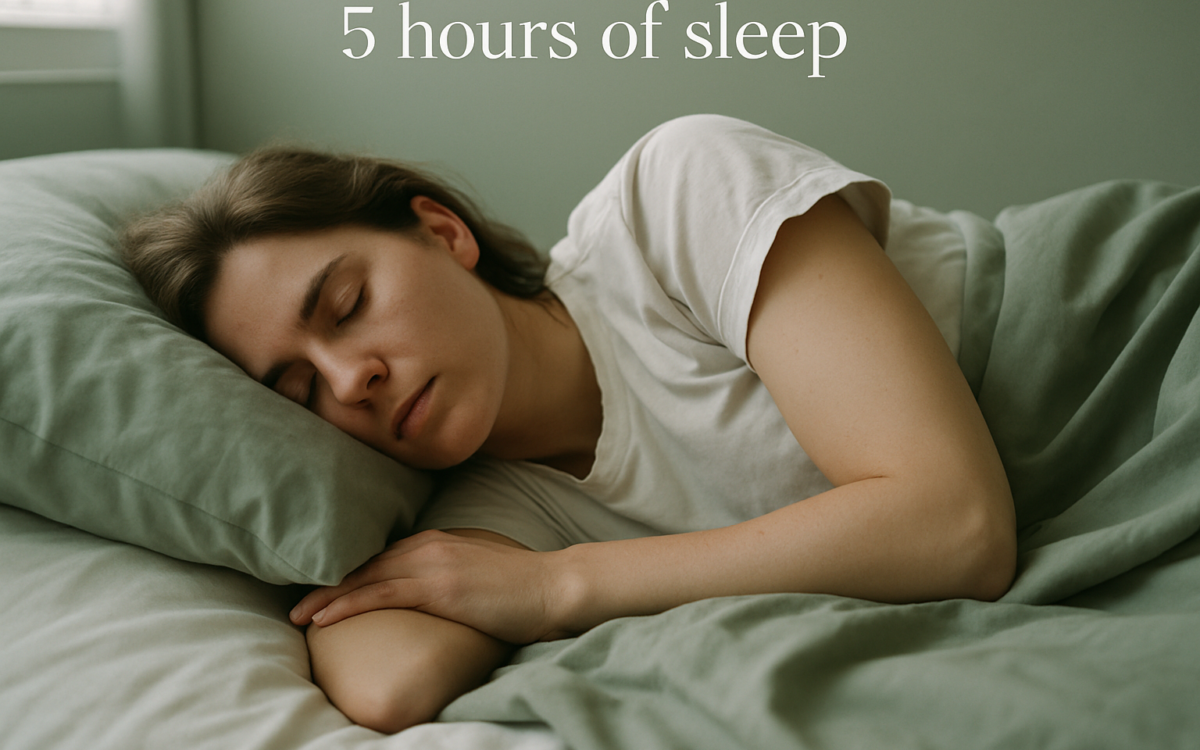
Imagine waking up after just five hours of sleep. For some, this is a regular occurrence. With busy schedules and jam-packed lives, many people find themselves sacrificing rest. But what does it mean for your health? How does this amount of sleep—often regarded as insufficient—affect your daily functioning and long-term wellness? In this article, we will explore the implications of getting only five hours of sleep, from immediate effects to chronic health issues.
The Science of Sleep
Sleep is more than just a time for rest; it’s when our bodies and minds rejuvenate. During sleep, various processes occur that are vital for physical and mental health. According to the National Institutes of Health (NIH), sleep is essential for brain function, emotional regulation, and metabolic health.
What Happens When You Get Only 5 Hours of Sleep?
When you regularly sleep for just five hours, several short-term and long-term effects may arise:
- Impaired Cognitive Function: Lack of sleep can hinder your ability to think clearly, concentrate, and remember information. Studies show that sleep deprivation can affect attention spans and decision-making skills.
- Weakened Immunity: A consistent lack of sleep can weaken your immune system, making you more susceptible to illnesses. The Centers for Disease Control and Prevention (CDC) highlights the connection between sleep and the immune system.
- Mood Changes: Insufficient sleep can lead to mood swings, irritability, and heightened stress levels. Chronic sleep deprivation has been linked to anxiety and depression.
- Increased Risk of Accidents: When you’re sleep-deprived, your reaction times slow down, leading to a heightened risk of accidents, whether on the road or at work.
- Weight Gain: Lack of sleep can disrupt hormones that control appetite, leading to increased hunger and poor food choices.
Understanding Sleep Cycles
To understand the impacts of limited sleep, it is essential to appreciate how our sleep cycles work. Typically, adults cycle through various sleep stages, including light sleep, deep sleep, and REM sleep, about four to six times per night, depending on total sleep duration. The shift into deep sleep is crucial for physical recovery, while REM sleep plays a vital role in emotional wellbeing and memory consolidation. Squeezing your sleep into just five hours might truncate these cycles, preventing your body from fully benefiting from these restorative processes.
Short-Term Effects of Sleep Deprivation
The effects of getting only five hours of sleep can be felt almost immediately. Common short-term consequences include:
- Fatigue: You may experience excessive tiredness and a constant urge to nap.
- Reduced Performance: Tasks that require focus and precision could become challenging.
- Physical Symptoms: You might notice headaches, increased heart rate, or gastrointestinal issues.
While some people feel they can ‘push through,’ research indicates that the brain’s ability to function diminishes after only a few nights of inadequate sleep.
Long-Term Health Risks
In the long term, chronic sleep deprivation (which can include consistently getting just five hours of sleep) is linked to serious health issues:
- Cardiovascular Issues: Long-term sleep deprivation has been associated with higher risks of heart disease, hypertension, and stroke.
- Diabetes: Insufficient sleep can lead to insulin resistance, a precursor for type 2 diabetes.
- Cognitive Decline: Over time, poor sleep might contribute to cognitive decline and increase the risk of neurodegenerative disorders such as Alzheimer’s disease.
To mitigate these risks, prioritizing quality sleep is essential.
Tips to Improve Sleep Quality
If you find yourself sleeping for just five hours but want to improve your sleep quality, consider the following tips:
- Create a Sleep Schedule: Aim to go to bed and wake up at the same time every day, even on weekends.
- Limit Screen Time: Reduce exposure to screens an hour before bedtime as the blue light emitted can interfere with melatonin production.
- Create a Relaxing Environment: Ensure your bedroom is dark, cool, and quiet. Investing in comfortable bedding can also help.
- Avoid Stimulants: Limit caffeine and nicotine intake, particularly in the afternoon and evening.
- Incorporate Relaxation Techniques: Explore activities such as gentle yoga, meditation, or reading before bed to help wind down.
When to See a Doctor
If you’re consistently getting around five hours of sleep and experiencing ongoing fatigue, mood changes, or diminished performance, it may be time to speak with a healthcare professional. They can help identify potential sleep disorders or other underlying health issues that could affect your rest.
Conclusion
While five hours of sleep may seem manageable for some, its impacts on health and well-being can be significant. From impaired cognitive functions to increased long-term health risks, sufficient sleep is a crucial component of overall wellness. By understanding the risks of sleep deprivation and taking steps to improve sleep quality, you can safeguard your health and lead a more balanced life.
