
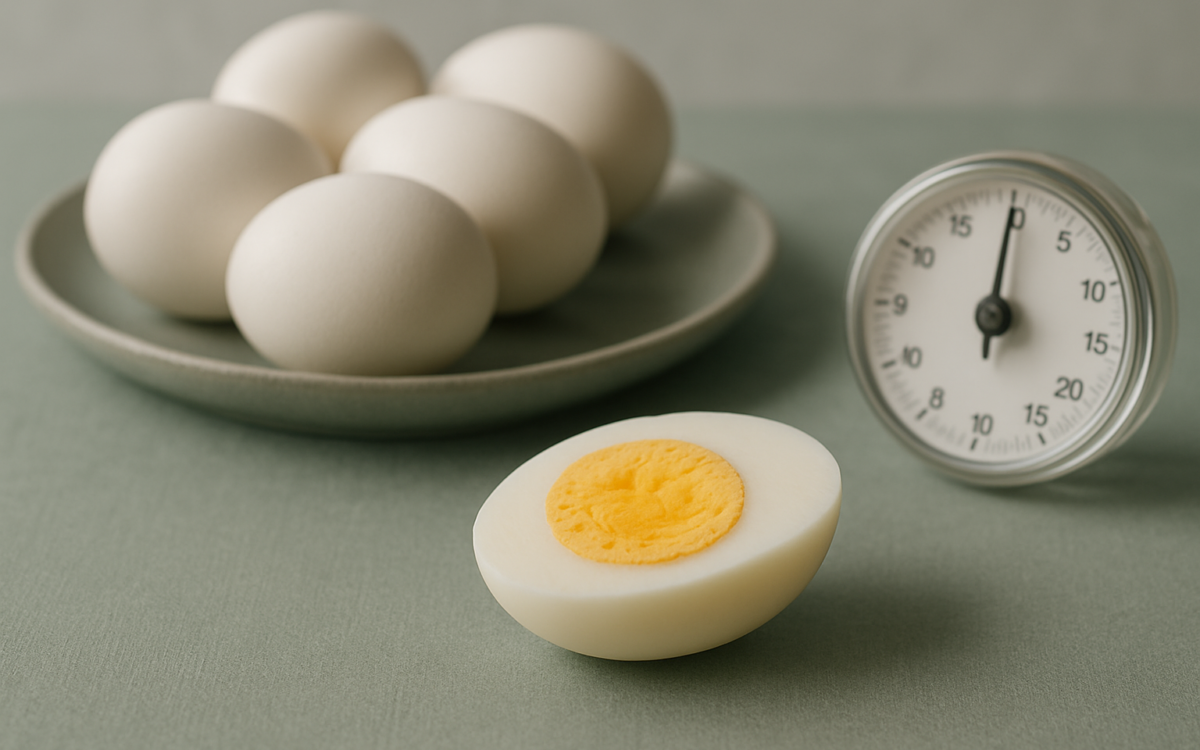
Hard-boiled eggs are a popular and nutritious snack, perfect for breakfast or as a quick bite on the go. They are versatile, easy to prepare, and packed with protein. But how long do these simple eggs stay good? Understanding the lifespan of hard-boiled eggs can help you avoid food waste and ensure you’re eating safe foods.
Understanding Hard-Boiled Egg Shelf Life
When properly cooked and stored, hard-boiled eggs can last quite a while. The general guideline for hard-boiled eggs is:
- In the refrigerator: Up to one week
- At room temperature: Up to two hours
After being cooked, hard-boiled eggs remain good for about a week when kept in the refrigerator. It’s essential to remember that the countdown starts as soon as you cook them, so keeping track of the date makes it easier to stay safe.
How to Store Hard-Boiled Eggs
Proper storage can significantly affect the longevity of hard-boiled eggs. Here are some tips to maximize their shelf life:
Refrigeration Tips
- Store hard-boiled eggs in their shells until you are ready to eat them. The shell provides a protective barrier against bacteria.
- Keep them in the original carton or in a covered container to prevent them from absorbing strong odors from other foods in the refrigerator.
- Label the container with the date you boiled the eggs if you want to keep track.
Room Temperature Considerations
If left out at room temperature, hard-boiled eggs should be consumed within two hours. Beyond this time frame, the risk of bacterial growth increases significantly.
Signs of Spoilage in Hard-Boiled Eggs
Even with proper storage, hard-boiled eggs can spoil. Here are the signs to look out for:
Smell Test
If a hard-boiled egg emits an unpleasant or sulfur-like odor, it is best to err on the side of caution and discard it.
Visual Inspection
Check for any discoloration or unusual spots on the egg or peeling. Although some dark spots may occur under the shell due to oxidation, any significant discoloration can indicate spoilage.
Texture Check
A slimy or chalky texture on the egg can suggest that it has gone bad. Fresh hard-boiled eggs should have a firm and smooth shell.
Hard-Boiled Eggs: To Peel or Not to Peel?
Another consideration for longevity involves whether to peel hard-boiled eggs immediately after cooking or leave them in the shell:
Benefits of Keeping the Shell
Keeping the shell on can help the egg stay fresh longer because it protects against bacteria and moisture loss. A hard-boiled egg with its shell intact can last up to a week in the refrigerator.
Peeling Before Storage
If you prefer to peel your hard-boiled eggs before storing, use a covered container to hold the peeled eggs and consume them within 2-3 days for best quality.
Nutritional Benefits of Hard-Boiled Eggs
Hard-boiled eggs are not only convenient but also a wonderful source of nutrition:
- High in protein: Each egg contains about 6 grams of protein, which is essential for bodily functions.
- Rich in vitamins: Eggs are a good source of Vitamin D, Vitamin B12, and choline, which support brain health.
- Healthy fats: They contain healthy fats that can support cardiovascular health.
When to See a Doctor
If you eat a hard-boiled egg that smells off or you suspect it may be spoiled and experience symptoms like nausea, vomiting, or diarrhea, it’s advisable to consult a healthcare provider. It’s always better to be cautious with food safety.
Conclusion
Hard-boiled eggs are a delicious and nutritious choice but are not immune to spoilage. By understanding how to properly store hard-boiled eggs, recognizing signs of spoilage, and knowing the right time to consume them, you can enjoy these healthy snacks without worry. Always remember that proper handling and storage are key to food safety, so keep track of when you prepare them and pay attention to any changes in smell, texture, or appearance.
