
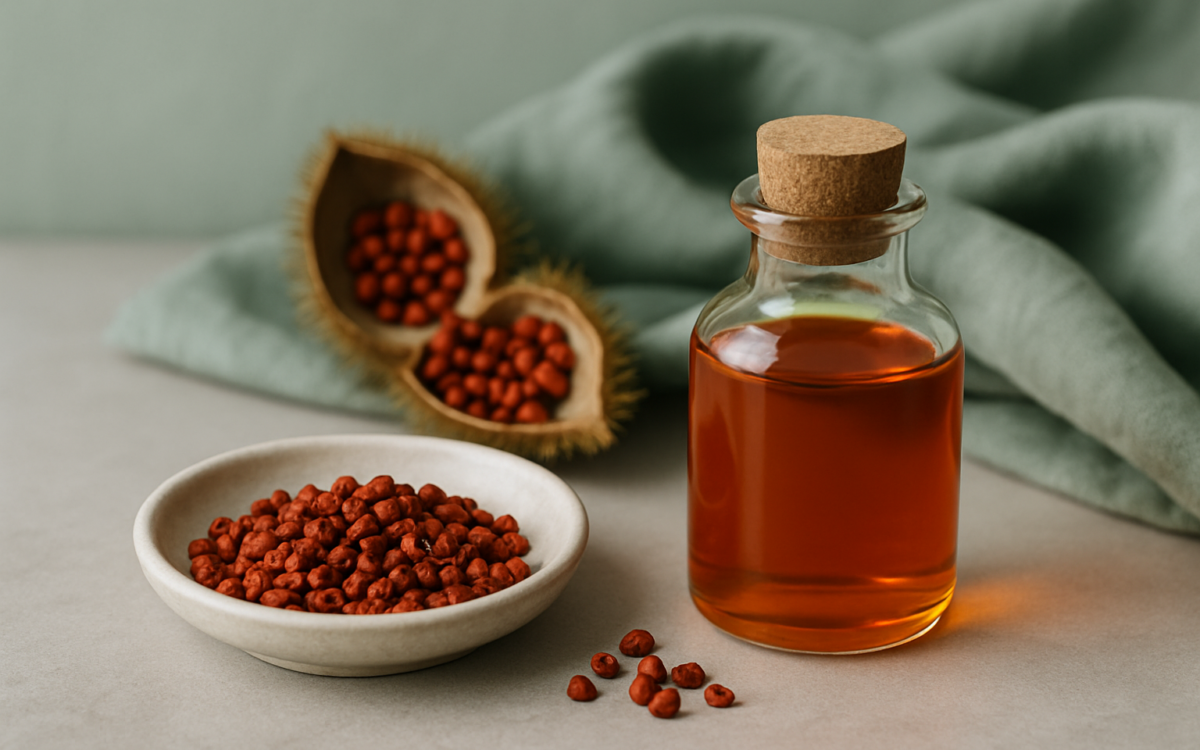
Have you ever noticed the bright orange hue in cheese, snacks, or even cosmetics? That vibrant color often comes from a natural source called annatto. Derived from the seeds of the achiote tree, this plant-based colorant has a rich history and various applications in our daily lives. In this article, we’ll explore what annatto color is, its benefits, potential risks, and its increasing popularity in the food and beauty industries.
What is annatto color?
Annatto color is a natural pigment extracted from the seeds of the achiote tree (Bixa orellana), native to tropical regions of the Americas. The seeds are covered in a bright red-orange outer coating, which contains carotenoids—the same pigments that give carrots and sweet potatoes their distinctive colors. When processed, annatto produces a vibrant orange-yellow hue commonly used in a variety of foods and products.
Health benefits of annatto color
Aside from its eye-catching appearance, annatto color can offer several health benefits:
- Antioxidant properties: Annatto contains carotenoids like bixin and norbixin, which are known for their antioxidant effects. Antioxidants help fight free radicals in the body, potentially reducing the risk of chronic diseases like cancer and heart disease. According to a study published by the National Institutes of Health, carotenoids are linked to various health benefits.
- Potential anti-inflammatory effects: Some research suggests that annatto may have anti-inflammatory properties. Reducing inflammation can be beneficial for overall health and may help manage certain conditions, such as arthritis.
- Rich in vitamins: Annatto seeds are also rich in essential vitamins, particularly vitamin A. This vitamin is crucial for maintaining healthy eyesight, skin, and immune function.
Common uses of annatto color
Annatto color is widely used in the food industry, but its applications extend beyond just adding color. Here are some of its most common uses:
- Food coloring: Annatto is primarily known for its role as a natural food dye. It’s commonly used in dairy products like cheese and butter, as well as in snack foods, sausages, and sauces. Unlike synthetic dyes, which can sometimes cause allergic reactions, annatto is generally considered safe for consumption.
- Cosmetic and personal care products: The vibrant hue of annatto also found its way into beauty products. Many cosmetics use annatto extract for coloring, offering a natural alternative to synthetic dyes.
- Cultural significance: In addition to its commercial uses, annatto has cultural significance in many traditions. It is often used in dishes within Latin American and Caribbean cuisines, adding both color and a slightly nutty flavor.
Safety considerations and potential risks
While annatto is generally regarded as safe, some people may experience allergic reactions. Symptoms can include skin irritation or digestive issues. According to the World Health Organization, food colorants must be evaluated for safety, and while annatto is approved in many countries, it’s wise to consult your healthcare provider if you have known sensitivities.
Annatto in international treatments
As global awareness of health and wellness rises, the natural properties of annatto are gaining attention in various international treatments. Some cultures have historically used annatto for its medicinal properties, believing it supports skin health and overall wellness. If you’re considering treatments using annatto and are traveling abroad for medical care, be sure to inquire about international patient services that can assist you in navigating local practices and products.
When to see a doctor
If you suspect an allergy to annatto or experience any unusual symptoms after consumption, it’s essential to consult a healthcare professional. Common signs of an allergic reaction may include hives, swelling, or gastrointestinal distress. Always seek medical advice to ensure your health and safety.
Conclusion
Annatto color is more than just a vibrant ingredient; it offers various health benefits and applications in food and beauty products. As a natural alternative to synthetic dyes, it adds a warm hue while potentially providing antioxidant and anti-inflammatory support. Remember to consume it mindfully, especially if you have allergies or sensitivities, and consult a healthcare provider with any questions or concerns.
