
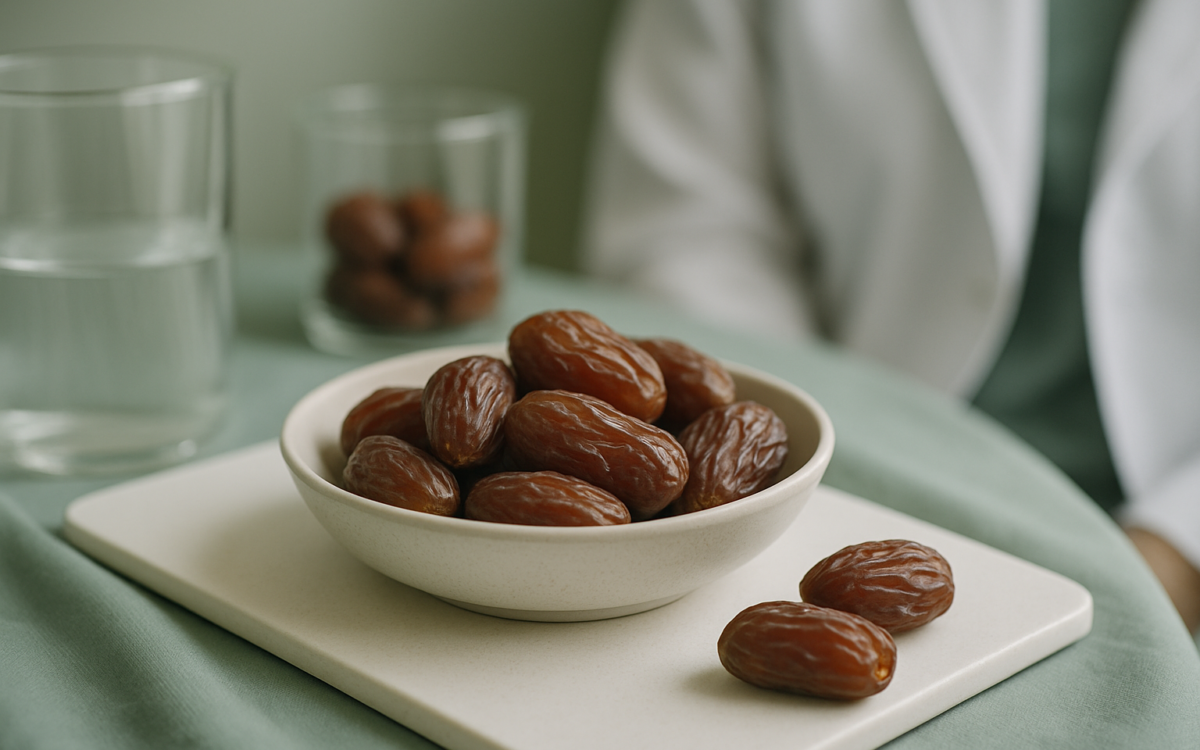
Dried dates are a delicious and nutritious snack that have been enjoyed for thousands of years. Known for their natural sweetness, these tiny fruits can be a great addition to various diets. Whether you are looking for a tasty way to satisfy a sweet tooth or seeking health benefits, dried dates have much to offer.
A Brief Introduction to Dried Dates
Dried dates are made by removing the moisture from fresh dates, resulting in a chewy texture and concentrated flavor. Dates come from the date palm tree, primarily found in the Middle East and North Africa. With a long history as a staple food, they’ve increasingly made their way into modern diets around the world.
This small yet mighty fruit is packed with essential nutrients, including vitamins, minerals, and antioxidants. Understanding their nutritional profile will help you appreciate why they deserve a place in your diet.
Nutritional Benefits of Dried Dates
Dried dates are rich in many nutrients. Here’s a closer look at what makes them so special:
- Vitamins and Minerals: Dried dates are high in potassium, magnesium, copper, and manganese. These minerals are crucial for heart health, bone strength, and overall bodily functions.
- Fiber-Rich: One of the standout features of dried dates is their fiber content. Just a small serving can contribute to your daily fiber needs, promoting digestive health and helping to maintain regularity.
- Natural Sweetness: With over 60% sugar by weight, dried dates provide a quick source of energy. However, their natural sugars are accompanied by fiber, which helps to regulate blood sugar levels.
- Antioxidants: Dried dates are packed with antioxidants such as flavonoids, carotenoids, and phenolic acid, which help combat oxidative stress and inflammation in the body.
Incorporating Dried Dates into Your Diet
Adding dried dates to your diet is simple and enjoyable. Here are some delicious and creative ways to do so:
- Snacking: Eat them alone as a quick snack or pair them with nuts for a balanced option.
- Smoothies: Blend dried dates into your smoothie for natural sweetness and added nutrients. They complement greens, yogurt, and even nut butter beautifully.
- Baking: Substitute dried dates for sugar in your baking recipes; they add moisture and flavor to cookies, muffins, and bread.
- Salads: Chop them up and toss them into salads for a hint of sweetness and chewy texture.
For those considering international treatments or diets, exploring dried dates can be a delightful addition. If you’re looking for nutritional guidance while traveling or seeking treatment in Turkey, local cuisines often feature dates prominently, showcasing their versatility.
Health Benefits: More than Just a Snack
The benefits of dried dates extend beyond basic nutrition. Studies suggest that they may offer several health advantages:
- Heart Health: The potassium in dates helps lower blood pressure, while fiber reduces cholesterol levels, promoting overall heart health.
- Bone Health: With minerals like calcium and magnesium, dates support bone density and help prevent osteoporosis.
- Energy Boost: As a rich source of carbohydrates, dates can provide a quick burst of energy, making them an ideal snack before or after workouts.
- Fertility Support: Some research suggests that consuming dates may improve sperm quality and reproductive health, though more studies are needed.
While they are a healthy choice, moderation is key due to their high sugar content. A small handful is often sufficient to reap the benefits without going overboard on calories.
Potential Concerns with Dried Dates
Despite the many benefits of dried dates, there are a few considerations to keep in mind:
- Caloric Density: Dried dates are calorie-dense, which means that eating too many can lead to weight gain. It’s important to be mindful of portion sizes.
- Sugar Content: Those managing blood sugar levels, such as people with diabetes, should consume dried dates cautiously due to their high natural sugar content.
Before making significant dietary changes, especially if you have existing health conditions, it’s always wise to consult with a healthcare professional.
When to See a Doctor
If you experience consistent digestive issues after consuming dried dates, or if you have concerns about their impact on your blood sugar levels, it’s a good idea to talk to a healthcare provider. Understanding your body’s response is essential for managing your diet effectively.
In conclusion, dried dates are more than just a sweet treat. They offer an array of health benefits while being incredibly versatile in the kitchen. Whether snacking, baking, or adding to salads, incorporating dried dates into your diet can be a delightful and healthful experience.
