
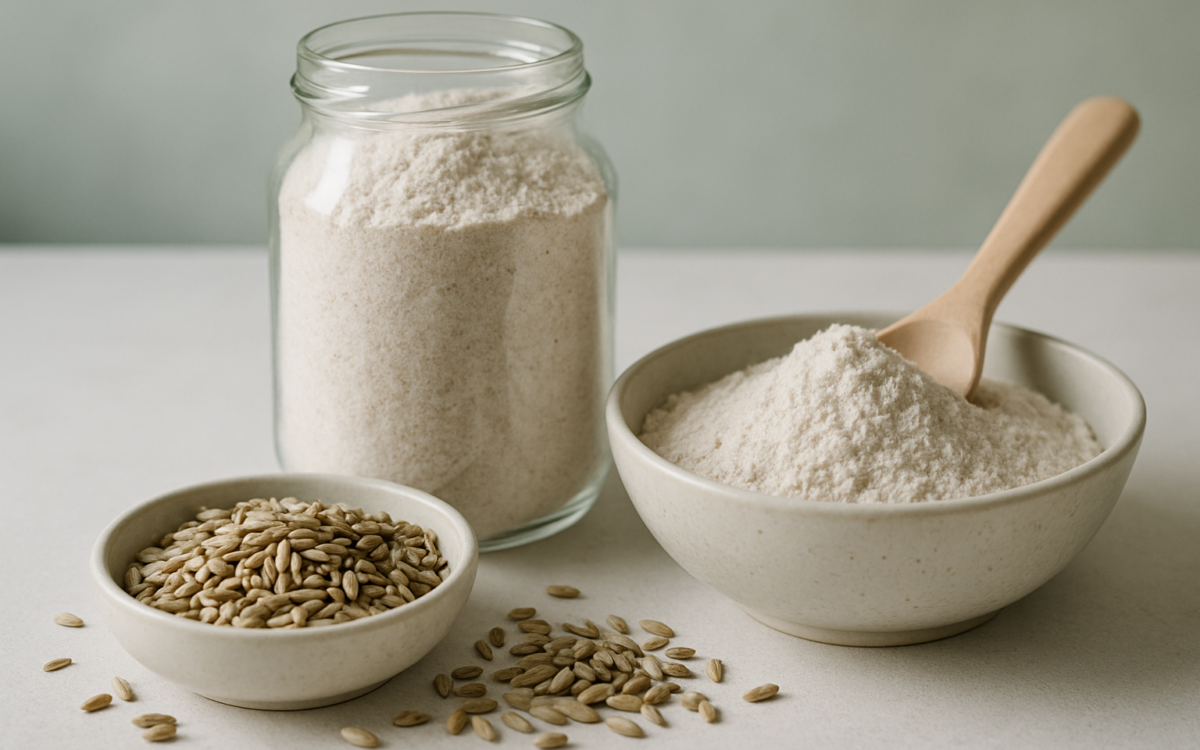
Rye flour is gaining popularity among health-conscious eaters and home bakers alike. Derived from rye grain, this versatile flour is not just a staple in certain cuisines; it also packs a nutritional punch that can enhance your meals. In this article, we will explore the benefits of incorporating rye flour into your diet, its nutritional profile, and some delicious ways to use it.
What is Rye Flour?
Rye flour is made by grinding the whole rye grain, which includes the bran, germ, and endosperm. This means it retains much of its natural fiber and nutrients, making it a more nutritious option compared to refined flours. Rye is an ancient grain that has been cultivated for thousands of years, and it has a rich history in many European countries.
Nutritional Benefits of Rye Flour
Rye flour offers several health benefits, thanks to its impressive nutrient profile:
- High in Fiber: Rye flour is an excellent source of dietary fiber, which is essential for healthy digestion. According to the National Institutes of Health, fiber can help prevent constipation and maintain a healthy gut.
- Low Glycemic Index: Rye flour has a low glycemic index, which means it can help regulate blood sugar levels. Foods with a low glycemic index are digested slowly, providing sustained energy without the spikes and crashes associated with high-glycemic foods.
- Rich in Vitamins and Minerals: Rye flour contains essential nutrients, including B vitamins, iron, magnesium, and phosphorus. These nutrients are vital for various bodily functions, including energy production and bone health.
- Antioxidant Properties: Rye grains are rich in antioxidants that can help combat oxidative stress in the body. A study published in the Journal of Nutrition showed that whole grains like rye may reduce the risk of chronic diseases, such as heart disease and diabetes.
Cooking and Baking with Rye Flour
Rye flour can be used in various recipes, from bread to pancakes. Here are some ideas for incorporating rye flour into your cooking:
1. Rye Bread
The most popular use of rye flour is, of course, bread. Rye bread is denser than wheat bread and has a unique flavor. You can make traditional rye bread with caraway seeds for a classic taste or experiment with adding seeds and nuts for extra nutrition.
2. Pancakes and Waffles
Try using rye flour in your pancake or waffle batter. Combining it with other flours, like whole wheat or oat flour, can lead to delicious results. These pancakes will not only taste great but also add more fiber to your breakfast.
3. Muffins and Baked Goods
Rye flour can be incorporated into baked goods like muffins, cookies, and bars. Pairing it with sweeteners like honey or maple syrup can make for a delightful treat without compromising on nutrition.
4. Thickening Agent
Rye flour can also be used as a thickening agent in soups and sauces. It provides a unique flavor while helping to create a hearty dish.
Allergies and Dietary Considerations
While rye flour offers various health benefits, it is essential to note that it contains gluten. Individuals with celiac disease or gluten intolerance should avoid rye flour to prevent adverse reactions. Always consult with a healthcare provider or a registered dietitian before making significant changes to your diet.
Storing Rye Flour
Proper storage can help maintain the freshness and nutritional value of rye flour. Keep it in an airtight container in a cool, dark place, or store it in the refrigerator or freezer for longer shelf life. This prevents the oils from becoming rancid and helps retain flavor.
When to See a Doctor
If you experience any adverse reactions after consuming rye flour, such as digestive issues or allergic symptoms, consult your healthcare provider. It is crucial to ensure that you do not have an allergy to rye or related grains.
Conclusion
Incorporating rye flour into your diet can be a delicious way to boost your nutrient intake, thanks to its rich fiber content and various health benefits. With a bit of creativity, you can enjoy it in a wide range of recipes, enhancing both flavor and nutrition. Remember to always consult with a healthcare provider if you have any concerns about allergies or dietary changes. Embrace the versatility and goodness of rye flour for a healthier you!
