
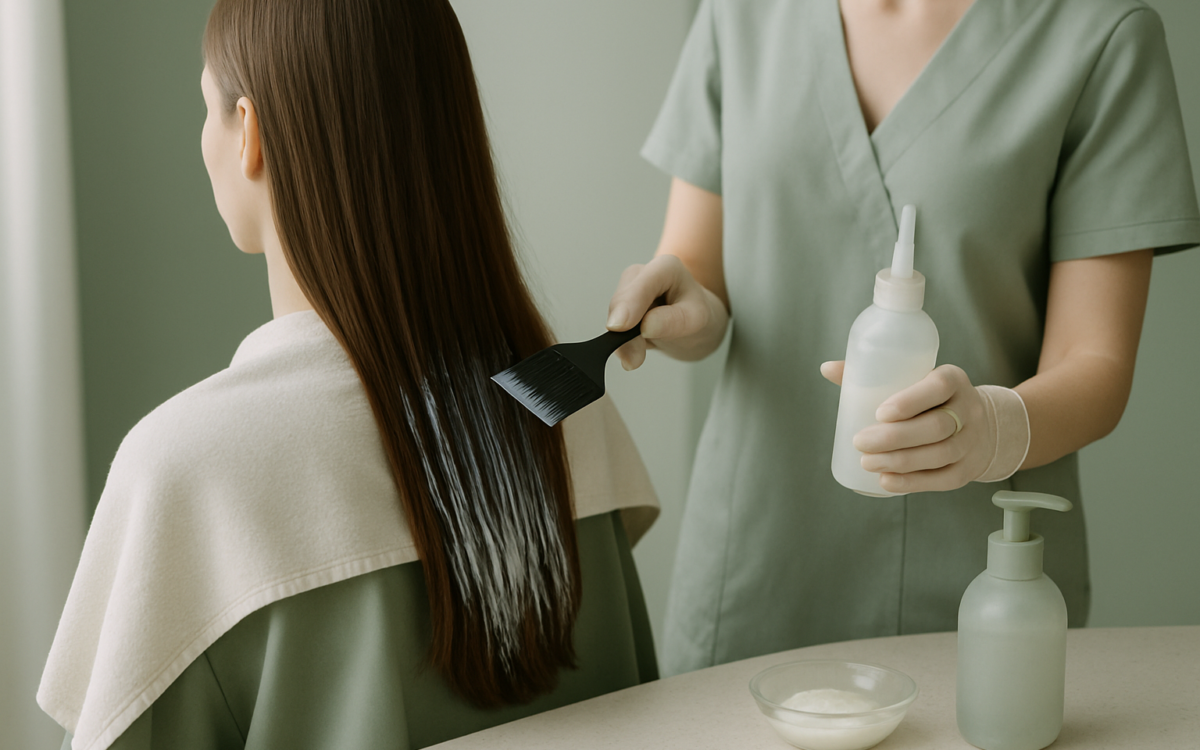
When it comes to hair care, keratin has become a popular buzzword that often raises curiosity. This naturally occurring protein holds the key to maintaining the strength and health of your hair. Let’s delve into the world of keratin, exploring its benefits, common treatments, and some myths that need debunking.
What is Keratin?
Keratin is a fibrous protein found in various parts of the body, including the hair, skin, and nails. It plays a fundamental role in protecting cells from damage, making it a crucial component of your hair structure. Keratin forms a protective layer, shielding hair from environmental factors such as heat and UV rays. In fact, its unique structure allows keratin to provide strength and resilience, preventing breakage and keeping your hair looking healthy.
The Benefits of Keratin Treatments
Keratin treatments have gained immense popularity over the years, especially for those looking to tame frizz and enhance shine. Here are some notable benefits:
- Smoother Hair: Keratin treatments can smooth out hair cuticles, giving you that sleek, polished look.
- Reduced Frizz: By filling in gaps in the hair’s cuticle, keratin helps manage frizz, making styling easier.
- Enhanced Shine: The added layer of keratin can make hair appear shinier and healthier.
- Improved Manageability: Keratin treatments can make your hair more manageable, reducing styling time.
For more details on the benefits of keratin in hair treatments, you can visit resources like NIH.
Common Types of Keratin Treatments
There are various formulations of keratin treatments available in salons today. Here’s a closer look:
- Brazilian Blowout: A popular treatment that smooths and shines while reducing frizz.
- Keratin Straightening: Primarily focuses on straightening curly or wavy hair.
- Express Treatments: These offer a less time-consuming option, lasting several weeks.
While these treatments can be beneficial, it’s worth noting that they often contain formaldehyde or similar chemicals, which may raise concerns. Consulting your stylist about the ingredients and their safety is crucial.
Are There Risks Involved?
While keratin treatments can be effective, there are potential risks. Some users have reported side effects such as:
- **Irritation**: Skin or scalp irritation may occur if exposure to certain chemicals is prolonged.
- **Hair Damage**: Overuse may lead to hair becoming dry or damaged, particularly if treatments are not performed correctly.
- **Respiratory Issues**: Formaldehyde, often found in these treatments, can pose health risks with repeated exposure.
Understanding these risks, alongside their benefits, is essential before moving forward with a hair treatment. For further information on chemical safety, the CDC offers guidelines and studies related to hair treatments.
Maintaining Hair Health Post-Treatment
Once you’ve undergone a keratin treatment, maintaining your hair’s health is vital for longevity and appearance. Here are some care tips:
- Use Sulfate-Free Shampoo: Sulfates can strip keratin from hair, so opt for sulfate-free products.
- Limit Heat Styling: Give your hair a break from heat to prevent damage.
- Regular Hydration: Deep conditioning treatments can help keep hair moisturized.
For more insights on hair care routines, refer to the Mayo Clinic guidelines.
Debunking Keratin Myths
There are several misconceptions about keratin that can lead to confusion. Here are a few of the most common myths:
- Myth 1: All keratin treatments are the same. Reality: Not all treatments utilize the same techniques or chemicals. It’s crucial to choose carefully.
- Myth 2: Keratin treatments last forever. Reality: Typically, results last a few months before they gradually wear off.
- Myth 3: Keratin will permanently straighten curly hair. Reality: While it can help with manageability, it won’t permanently change your hair type.
Understanding these myths and facts is essential to making informed choices about your hair care.
When to See a Doctor
If you experience significant irritation, allergic reactions, or hair loss following a keratin treatment, it’s advisable to consult a healthcare professional. They can help you determine the best course of action for your hair and scalp health.
In conclusion, keratin plays a vital role in hair health, offering solutions for stronger and shinier locks. While there are potential risks and numerous treatments, informed choices and proper maintenance can lead to beautiful hair. Always consult a professional or do thorough research before undergoing any treatment to ensure it aligns with your hair care goals.
