
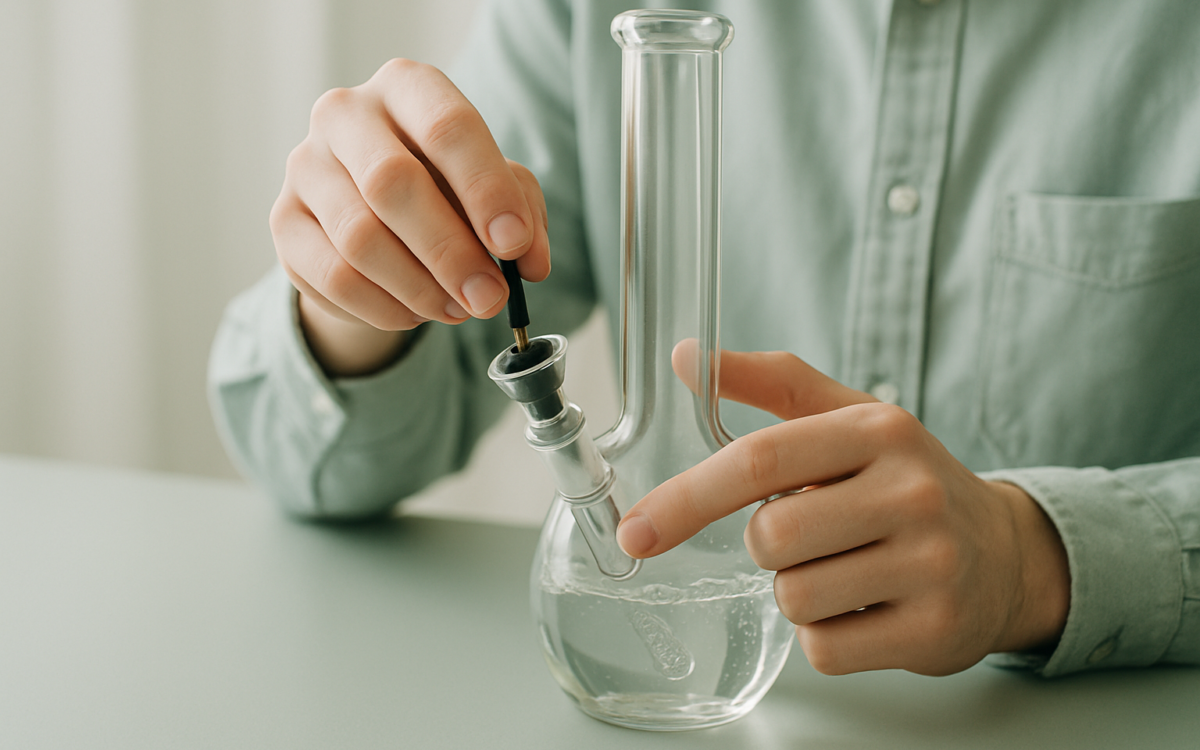
When it comes to smoking cannabis or tobacco, a variety of devices help users enjoy these substances. Among them, bongs have become popular for their unique design and perceived benefits. But how does a bong actually work? In this article, we’ll explore the science behind bongs, their components, and what to keep in mind when using them.
Understanding the Basics of a Bong
Bongs, often referred to as water pipes, have been used for centuries. They allow users to smoke dried plant material while filtering the smoke through water. This water filtration process cools the smoke, making it smoother and easier to inhale. A typical bong consists of a bowl (where the plant material is placed), a downstem (that extends into the water), a water chamber, and a mouthpiece at the top.
The Components of a Bong
Each part of a bong plays a critical role in its function. Let’s break down the main components:
- Bowl: This is where the dried material is packed. When lit, the combustion produces smoke that enters the downstem.
- Downstem: This tube directs the smoke from the bowl into the water chamber. Some bongs have removable downstems for easy cleaning.
- Water Chamber: As the smoke passes through the water, it cools and some impurities are filtered out. The water also moistens the smoke, making it less harsh.
- Mouthpiece: This is where the user inhales the smoke. The design can vary, but it should fit comfortably in the mouth.
How a Bong Works
The operation of a bong is fascinating. Here’s a step-by-step breakdown of how it works:
- The user lights the bowl while inhaling through the mouthpiece.
- This creates a vacuum, drawing air through the bowl and igniting the material inside.
- As the smoke travels down the downstem, it enters the water chamber.
- Once in the water, the smoke undergoes filtration and cooling.
- The user then inhales the filtered smoke through the mouthpiece, enjoying a smoother hit.
This process can help reduce some harmful compounds, but it’s important to note that it doesn’t eliminate all toxins. Some studies indicate that while water can filter out certain water-soluble compounds, it might not be effective in trapping everything that could be harmful (source: NIH). Therefore, using a bong doesn’t make smoking completely safe.
Potential Benefits of Using a Bong
Many users prefer bongs for various reasons. Here are a few potential benefits:
- Smoother Hits: The water filtration process can make smoking more comfortable, especially for new users.
- Better Flavor: Some users report that bongs enhance the flavor of the cannabis or tobacco being smoked.
- Less Harshness: The cooling effect of water can decrease the harshness of the smoke compared to direct methods like joints or blunts.
While these benefits can improve the smoking experience, it’s essential to consider health risks associated with any smoking method, including addiction and respiratory issues. If you’re looking for alternative smoking methods or treatments, there might be options for treatment in Turkey that can provide you with additional resources and support.
Health Concerns with Bongs
Despite the popular perception that bongs are safer than other smoking methods, there are still health risks involved. Inhaling any kind of smoke can lead to respiratory problems, including bronchitis, chronic coughing, and decreased lung function (source: CDC). Along with these issues, the use of flavored tobacco products in bongs can be particularly hazardous, as these products may contain chemicals harmful to lung health.
Long-Term Effects
Long-term use of bongs, like other smoking devices, may pose serious health risks. Regular inhalation of smokes can increase the chances of developing chronic illnesses, including lung cancer and heart disease. It is crucial for users to be mindful of their smoking habits and consider moderating their consumption.
Maintaining Your Bong
To get the most out of your bong and ensure a safe experience, proper maintenance is crucial. Here are some tips:
- Regular Cleaning: Regularly clean your bong to prevent buildup of resin and bacteria. Simple warm water and soap can be effective, but many users prefer specialized bong cleaners.
- Use Good Quality Materials: Using high-quality materials for your bowl and downstem can help prevent breakage and enhance the smoking experience.
- Inspect the Filtration System: Ensure that the water chamber is filled to the proper level and that the downstem is securely in place to avoid spills or leaks.
When to See a Doctor
If you experience persistent cough, wheezing, or any unusual respiratory symptoms after using a bong, it may be time to consult a healthcare professional. Additionally, if you have a history of lung issues or are considering smoking for the first time, discussing your choices with a doctor can help ensure your safety.
Nevertheless, understanding how a bong works can help you make informed choices about your smoking methods. By considering the components, health risks, and benefits, you can better navigate your options and prioritize your well-being.
