
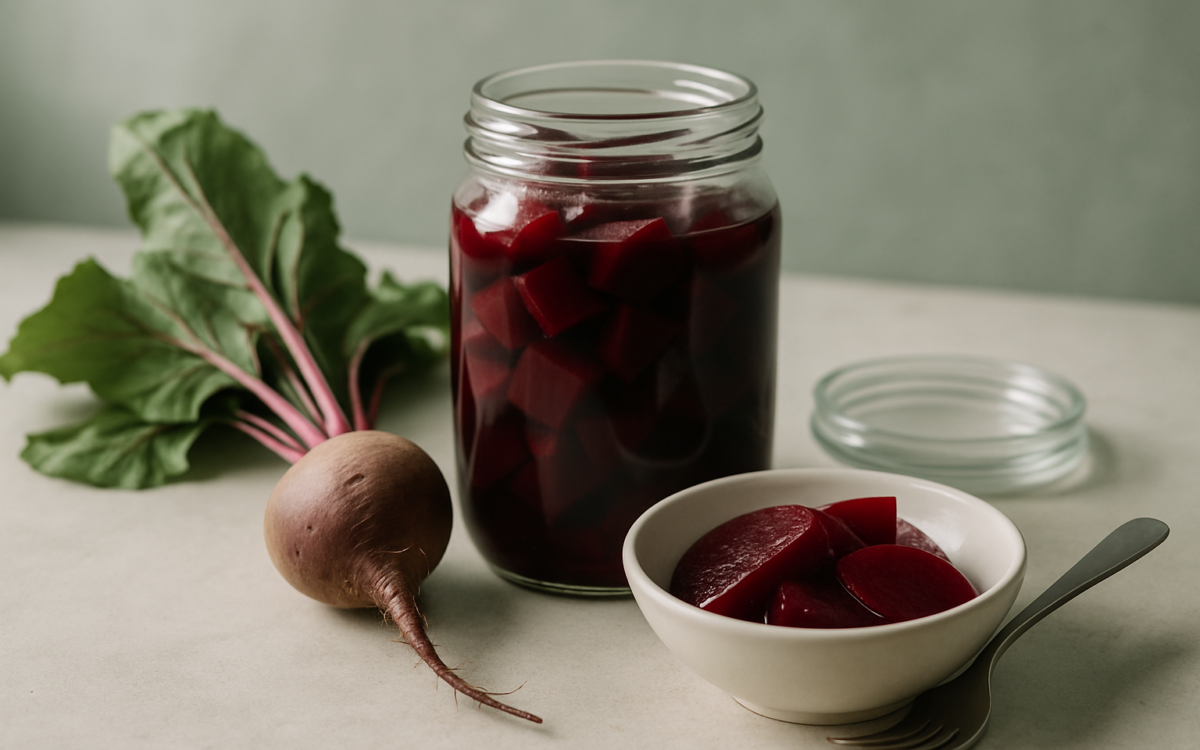
When it comes to delicious and nutritious foods, pickled beets often take a backseat to more popular items. However, these vibrant, tangy vegetables have more to offer than their unique flavor. Whether you enjoy them as a salad topping, a sandwich filling, or a snack, pickled beets can be a beneficial addition to your diet. Let’s explore the health advantages they bring and why you might want to include them in your meals.
What Are Pickled Beets?
Pickled beets are beets that have been preserved in a solution of vinegar, water, and various seasonings. The pickling process not only extends their shelf life but also adds a zesty flavor that can liven up any dish. Beets themselves are naturally rich in vitamins, minerals, and antioxidants, making them a healthy vegetable choice even before they are pickled.
Nutritional Value of Pickled Beets
Pickled beets are low in calories while offering essential nutrients. Here’s a look at some of the key components:
- Vitamins and Minerals: Pickled beets are a good source of folate, manganese, potassium, and vitamin C. These nutrients play vital roles in maintaining overall health.
- Antioxidants: Beets contain betalains, which are powerful antioxidants that help combat oxidative stress in the body. Antioxidants are known to protect cells from damage and reduce inflammation.
- Dietary Fiber: While the pickling process can decrease some fiber content, pickled beets still provide a decent amount of fiber, which is important for digestive health.
Potential Health Benefits of Pickled Beets
Incorporating pickled beets into your diet may offer several health benefits:
1. Heart Health
Studies suggest that the nitrates found in beets can help lower blood pressure and improve circulation. When consumed, nitrates are converted into nitric oxide, which relaxes and dilates blood vessels. This can lead to a lower risk of heart-related issues. According to the National Institutes of Health, consuming dietary nitrates may reduce the risk of cardiovascular disease.
2. Improved Digestion
The fiber in pickled beets contributes to a healthy digestive system. Fiber helps promote regular bowel movements and can prevent constipation. Furthermore, the fermentation process of pickling can enhance the growth of beneficial gut bacteria, improving overall gut health.
3. Anti-Inflammatory Properties
Chronic inflammation is linked to various health problems, including heart disease and autoimmune disorders. The betalains in beets have been found to possess anti-inflammatory properties that may help reduce inflammation in the body. A study published in the National Library of Medicine suggests that consuming foods rich in betalains could support overall health by managing inflammation.
4. Potential Blood Sugar Control
Some research indicates that beets may aid in blood sugar regulation. The antioxidants and fibers found in pickled beets can improve insulin sensitivity, potentially benefiting those with type 2 diabetes or at risk for the disease. However, moderation is key, as pickled beets can include added sugars in the pickling process.
How to Add Pickled Beets to Your Diet
Adding pickled beets to your meals can be enjoyable and simple. Here are a few ideas:
- Salads: Toss pickled beets into your favorite salads for a flavorful and colorful addition.
- Sandwiches and Wraps: Use them as a tangy topping in sandwiches and wraps.
- Snacking: Enjoy them straight from the jar or pair them with cheese and crackers for a tasty snack.
- Smoothies: Add a small amount to smoothies for an unexpected twist on flavor and color.
Preparation and Storage Tips
If you’re interested in making pickled beets at home, it’s relatively easy. You can boil the beets until they are tender, let them cool, then peel and slice them. For the pickling solution, combine vinegar, sugar, salt, and spices to taste. Remember, homemade versions allow you to control the ingredients and avoid excess sugars or preservatives.
Once pickled, store your beets in the refrigerator. They can last for several weeks, depending on the recipe and storage conditions.
When to See a Doctor
If you have concerns about your diet or health issues such as high blood pressure, diabetes, or digestive problems, it’s essential to consult your doctor. They can provide personalized recommendations tailored to your health needs.
Conclusion
Pickled beets may be small, but they pack a nutritious punch. From supporting heart health to aiding digestion, incorporating these tangy vegetables into your diet can have several benefits. They not only add flavor to your meals but also bring essential nutrients that contribute to overall wellness. Whether enjoyed straight from the jar or as part of a dish, don’t overlook the potential health benefits that pickled beets can offer!
