
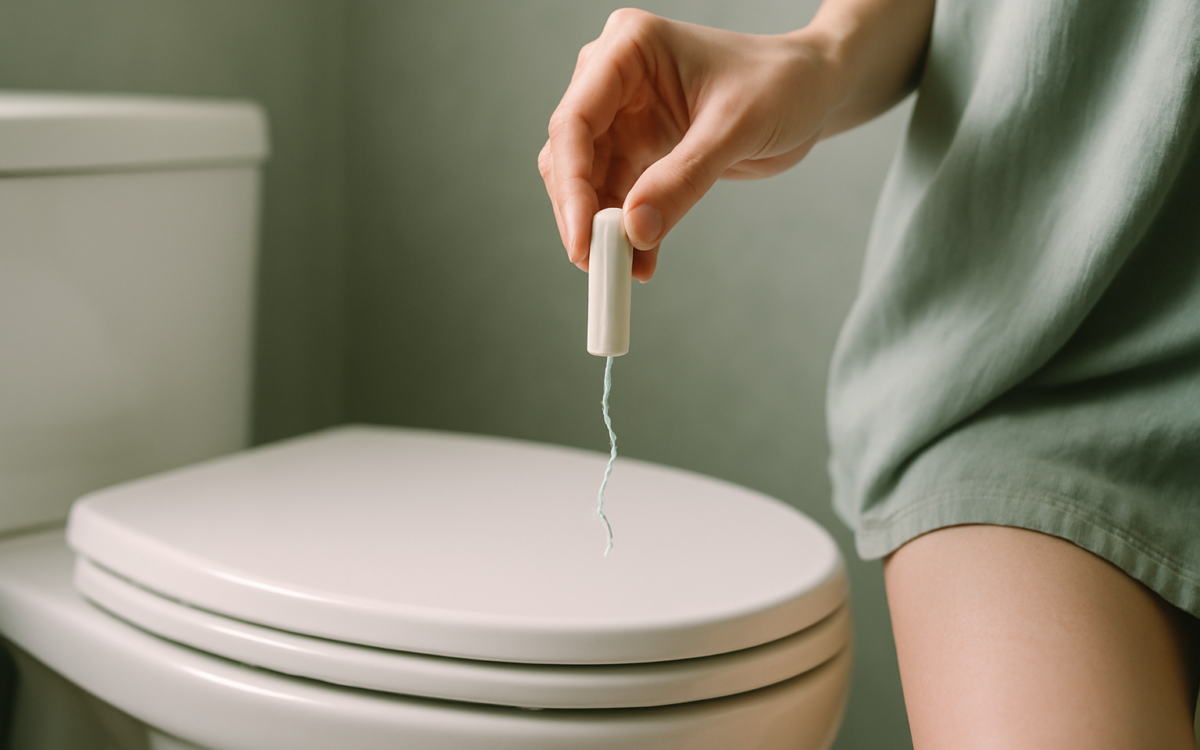
When it comes to menstrual hygiene, many people have questions about how to properly dispose of sanitary products. A common query is, “Can you flush tampons?” While it might be tempting to consider flushing used tampons as a simple way to dispose of them, the reality is far more complicated.
Why the confusion about flushing tampons?
Most tampons are designed to absorb menstrual flow, and they contain materials that can expand significantly when wet. This absorbent property is one reason why flushing them can cause issues. There’s also the misconception that if you can flush toilet paper, you can flush tampons. However, toilet paper is designed to break down quickly in water, while tampons are not.
The problems with flushing tampons
Flushing tampons can lead to a range of problems, both for your plumbing and the environment.
- Clogs: Tampons can easily get stuck in pipes, leading to blockages that may become expensive to fix. Plumbers often deal with these types of clogs, and they can complicate your household plumbing system.
- Wastewater treatment issues: Flushing tampons doesn’t just affect your home; it can also cause larger issues for municipal sewage systems. Tampons and other menstrual products can struggle to break down in wastewater treatment facilities. This leads to larger operational challenges and can be costly for cities.
- Environmental impact: Many tampons are made from 100% cotton or a blend of synthetic materials. When flushed, they can contribute to water pollution, as they may not decompose as intended. This raises concerns about the ecological impact on waterways and marine life.
What happens when you flush a tampon?
When a tampon is flushed, it typically travels through pipes that lead to wastewater treatment plants. Once there, it becomes part of a mixture of sewage. Because tampons do not break down easily, they can accumulate and create blockages. Some facilities may have processes to handle these materials—yet many do not, which leaves the risk of clogs and overflow.
What to do with used tampons
Instead of flushing, consider these alternative disposal methods:
- Wrap and toss: After using a tampon, wrap it in toilet paper or its original packaging and dispose of it in the trash. Many sanitary product manufacturers offer tampons with biodegradable options.
- Make use of disposal bags: You can purchase small disposal bags specifically designed for menstrual products. These make it more discreet and pleasant to throw away used tampons.
- Consider an alternative: If you’re concerned about sanitation or impact, think about reusable menstrual products, such as menstrual cups or washable cloth pads. They can reduce waste significantly and offer a sustainable alternative.
Are there exceptions?
While most tampons should not be flushed, some brands market biodegradable or flushable versions. However, these still require caution. Many wastewater treatment systems may not effectively handle even these items, leading to similar risks. Always check the manufacturer’s guidelines before making a decision.
What are the recommendations from experts?
Experts and health organizations like the CDC and the Mayo Clinic recommend disposing of tampons in the trash to minimize plumbing problems and environmental impact. Using proper disposal methods can help manage waste effectively and promote responsible hygiene.
When to see a doctor
If you experience unusual symptoms after tampons, such as irritation, infections, or other concerning signs, it’s important to consult a healthcare provider. Understanding your body and how it reacts to menstrual products is essential for maintaining good health.
Conclusion
In summary, while it might be convenient to flush tampons, doing so can create significant plumbing issues and pose an environmental hazard. Proper disposal methods, including wrapping used tampons and tossing them in the trash, are essential for maintaining good sanitation practices. If you’re ever in doubt, consulting with a healthcare provider can offer guidance tailored to your specific needs.
