
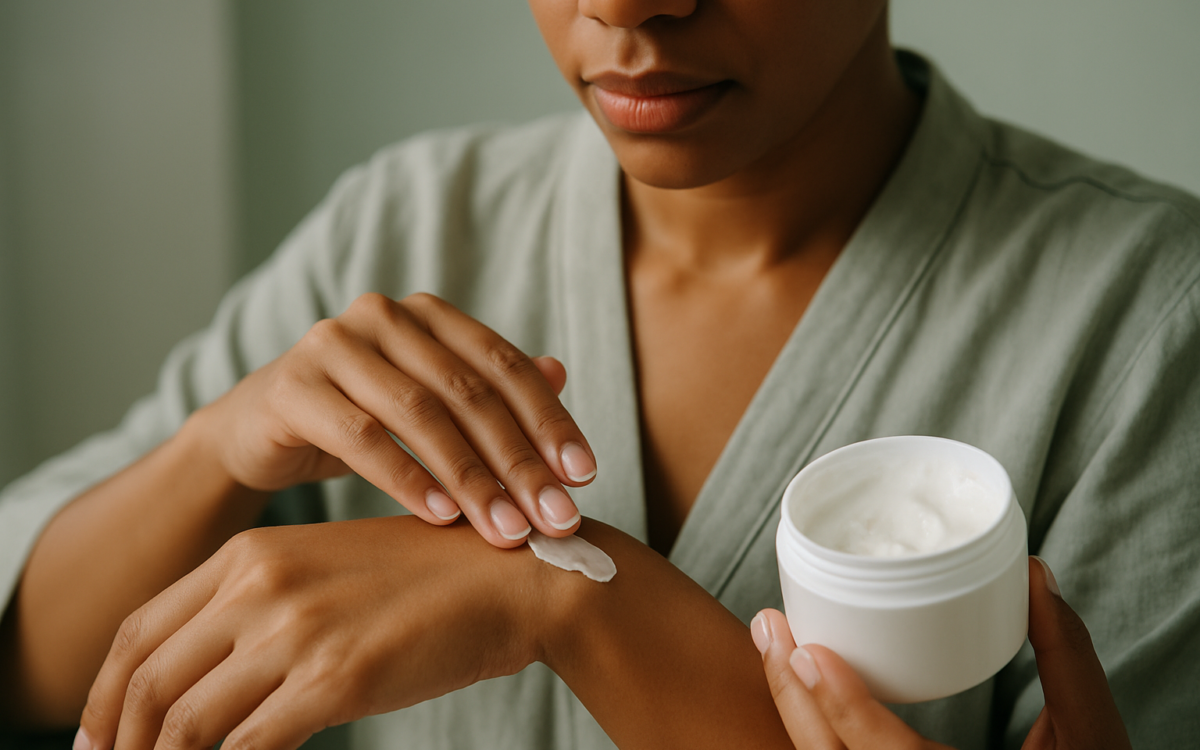
In recent years, skin lightening creams have gained popularity for a variety of reasons, from minimizing the appearance of dark spots to evening out skin tone. However, the use of these products comes with a variety of considerations regarding safety, effectiveness, and potential side effects. This article aims to clarify the facts surrounding skin lightening creams, including their ingredients, potential risks, and alternatives for achieving a brighter complexion.
What Are Skin Lightening Creams?
Skin lightening creams, also known as skin bleaching or whitening products, are cosmetic formulations designed to lighten skin tone or reduce hyperpigmentation. They function through a variety of mechanisms, often targeting melanin production in the skin, which is responsible for its color. Common ingredients include:
- Hydroquinone: A popular but controversial ingredient that inhibits melanin production.
- Mercury: A potent but dangerous substance, banned in many countries due to health risks.
- Vitamin C: An antioxidant that helps brighten skin and reduces dark spots.
- Niacinamide: A form of vitamin B3 that can help improve skin tone and texture.
- Kojic acid: A mushroom-derived compound that helps to lighten skin.
How Do They Work?
Skin lightening creams primarily work by inhibiting or reducing melanin production. Melanin is produced by cells called melanocytes, and its level affects skin pigmentation. Some ingredients, like hydroquinone, function by blocking the enzyme tyrosinase, crucial in melanin synthesis. Other ingredients may help exfoliate the skin or lighten existing pigmentation through various biochemical processes. It’s important to note that while some users may seek cosmetic benefits, overuse or misuse can lead to serious consequences.
Potential Risks and Side Effects
While skin lightening creams can provide desired results, they also carry potential risks. Potential side effects to be aware of include:
- Skin irritation: Redness, peeling, or a burning sensation can occur.
- Allergic reactions: Some ingredients may cause allergic responses in sensitive individuals.
- Increased risk of skin cancer: Long-term use of harmful ingredients, especially steroids and mercury, may increase cancer risk.
- Ochronosis: A condition characterized by bluish-black discoloration of the skin, largely associated with prolonged hydroquinone use.
- Hormonal imbalance: Use of topical steroids to lighten skin can cause hormonal changes.
According to the National Institutes of Health, the use of skin lightening products containing mercury is particularly hazardous and can lead to toxic effects on the kidneys, gastrointestinal system, and nervous system.
Regulations and Safety Concerns
The regulation of skin lightening creams varies by country. In the United States, the Food and Drug Administration (FDA) has issued warnings against the use of certain skin lightening products that contain unsafe levels of hydroquinone and mercury. Many countries have outright bans on the sale of these potentially dangerous ingredients, yet they can still be found in over-the-counter products or online.
Consumers should always check labels and research products before use. The World Health Organization has also indicated the importance of regulatory measures to control the use of hazardous ingredients in cosmetic products, especially in developing countries where these creams might be more prevalent.
Natural Alternatives for Skin Brightening
For those looking for safer alternatives to skin lightening creams, consider exploring natural remedies and lifestyle changes. Some effective options include:
- Sun protection: Wearing sunscreen daily can help prevent further darkening of existing spots and promote an even skin tone.
- Exfoliation: Regular exfoliating treatments can help remove dead skin cells, leading to a brighter complexion. Ingredients like alpha hydroxy acids (AHAs) or beta hydroxy acids (BHAs) are often used.
- Vitamin C serums: Using topical vitamin C can help reduce hyperpigmentation and brighten skin.
- Turmeric masks: The active compound in turmeric, curcumin, may help improve skin tone and reduce inflammation.
- Hydrating products: Moisturizing can improve skin’s appearance overall, making it look bright and healthy.
Finding Professional Help
If you are considering skin lightening creams or have concerns about dark spots and pigmentation, it is advisable to consult a healthcare professional. Dermatologists can provide personalized advice, recommend valid treatment options, and monitor potential side effects.
When to See a Doctor
If you experience adverse reactions, persistent irritation, or if you’re uncertain about the safety of a product, it’s essential to consult a healthcare provider. Symptoms such as severe redness, swelling, or changes in skin texture after using a skin lightening cream warrant immediate medical attention. Always prioritize skin safety and consider professional recommendations over unverified methods.
In summary, while skin lightening creams may offer temporary solutions for uneven skin tone, their risks and potential side effects cannot be overlooked. Consider natural alternatives and always consult a doctor or dermatologist before trying new products. Your skin deserves tender care and keen understanding for optimal health and appearance.
