
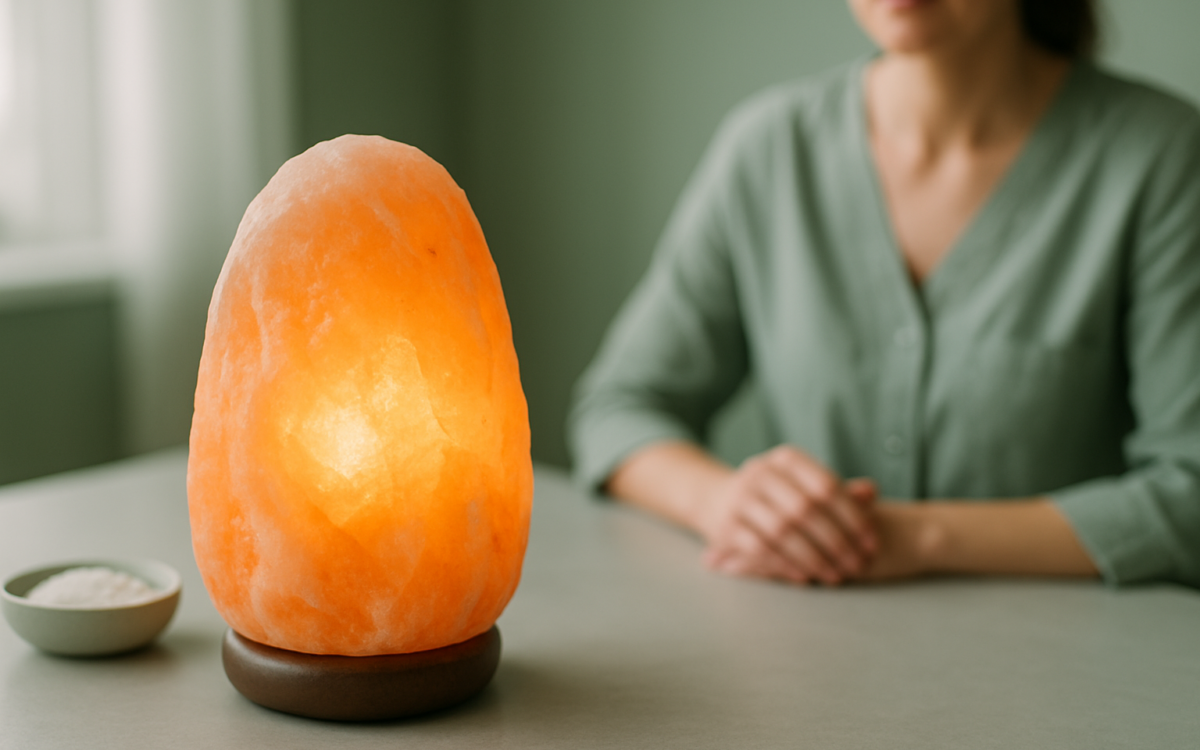
Picture this: a cozy, dimly lit room filled with a warm, inviting glow. Chances are, you’ve seen a salt lamp enhancing the ambiance of someone’s home. These attractive, glowing pieces made from pink Himalayan salt have gained popularity not only for their beauty but also for the health benefits they are said to provide. But how much of this is true? In this article, we will delve into the world of salt lamps—examining their potential advantages and addressing common misconceptions.
What Is a Salt Lamp?
Salt lamps are blocks of salt that have been hollowed out to hold a light bulb inside. These lamps vary in size and shape, with a signature orange-pink hue that comes from the natural minerals contained in Himalayan salt. When illuminated, they emit a warm glow that many find calming and soothing.
The Science Behind Salt Lamps
One of the key features often attributed to salt lamps is their ability to release negative ions into the environment. Negative ions are molecules that have gained one or more electrons, which can be beneficial for air quality. They are believed to help neutralize pollutants and allergens in the air. Some studies suggest that negative ions might improve mood and reduce stress levels, contributing to an overall sense of well-being (source: NIH).
However, the scientific evidence specifically linking salt lamps to the production of negative ions remains limited. Many researchers believe that the real impact of negative ions can often be experienced in natural environments, such as near waterfalls or after a storm, rather than through man-made devices like lamps. More research is needed to support claims about their effectiveness.
Humidifiers for Air Quality
Salt lamps are sometimes mistaken for humidifiers due to their hygroscopic nature, which means they can absorb moisture in the air. This characteristic is often cited as a reason why salt lamps may be beneficial for respiratory health. However, it’s essential to understand that while salt can draw moisture, it does not function in the same way as a humidifier or air purifier.
Improving indoor air quality generally relies on proper ventilation, maintaining indoor humidity levels, and utilizing air purifiers to remove pollutants (source: CDC). If you’re looking for ways to enhance your home’s atmosphere, consider combining a salt lamp with other air quality improvement methods.
Potential Health Benefits
While research is still ongoing, salt lamps are often credited with several health benefits based on anecdotal evidence. Here are a few commonly mentioned advantages:
- Reduced Allergies and Asthma: Some individuals report that they experience fewer allergy symptoms and improved asthma conditions when using salt lamps. This may be attributed to the calming effect of the light and potential improvements in air quality.
- Enhanced Sleep: The soft glow of salt lamps is a popular alternative to harsh overhead lighting, often helping create a relaxing environment that may be conducive to better sleep.
- Improved Mood: Many users find that the warm light can create a more tranquil atmosphere, which might contribute to reduced stress levels and improved mood.
Nonetheless, while these benefits are appealing, they should be approached with caution. The lack of robust scientific backing means that individual experiences may vary significantly.
Choosing the Right Salt Lamp
If you decide to incorporate a salt lamp into your home, keep the following tips in mind:
- Look for Quality: Authentic Himalayan salt lamps should be crafted from pink salt and should not be overly processed. Look for lamps that are heavy for their size and have a natural appearance.
- Size Matters: Larger lamps may release more negative ions, while smaller lamps can still contribute aesthetically and offer a soothing light.
- Safety First: Always check for electrical safety. Choose lamps that have a certified bulb socket and are made from high-quality materials.
Many available salt lamps are made in different countries, so purchasing from a reputable source is essential for ensuring quality.
Caring for Your Salt Lamp
Maintaining your salt lamp can extend its life and performance. Here are simple care tips:
- Dust Regularly: Use a soft, dry cloth to dust your lamp frequently. Avoid water, as salt can dissolve when exposed.
- Use It Often: Leaving your lamp on regularly helps prevent it from dampness, which can lead to sweating and damage.
- Store with Care: If you need to unplug it for a longer period, store it in a dry place to avoid moisture absorption.
When to See a Doctor
While salt lamps are relatively safe for general use, it’s always a good idea to consult with a healthcare professional if you have particular health concerns, especially related to respiratory issues. If your allergies or asthma symptoms worsen, seek medical advice promptly to discuss suitable interventions.
In conclusion, salt lamps can offer a warm ambiance and create a soothing environment in your home. While their health benefits are often overstated, they are a beautiful addition to your decor and may contribute to a calming atmosphere. As with any wellness trend, it is important to remain informed and consulting a healthcare provider when making changes to your environment is always a smart approach.
