
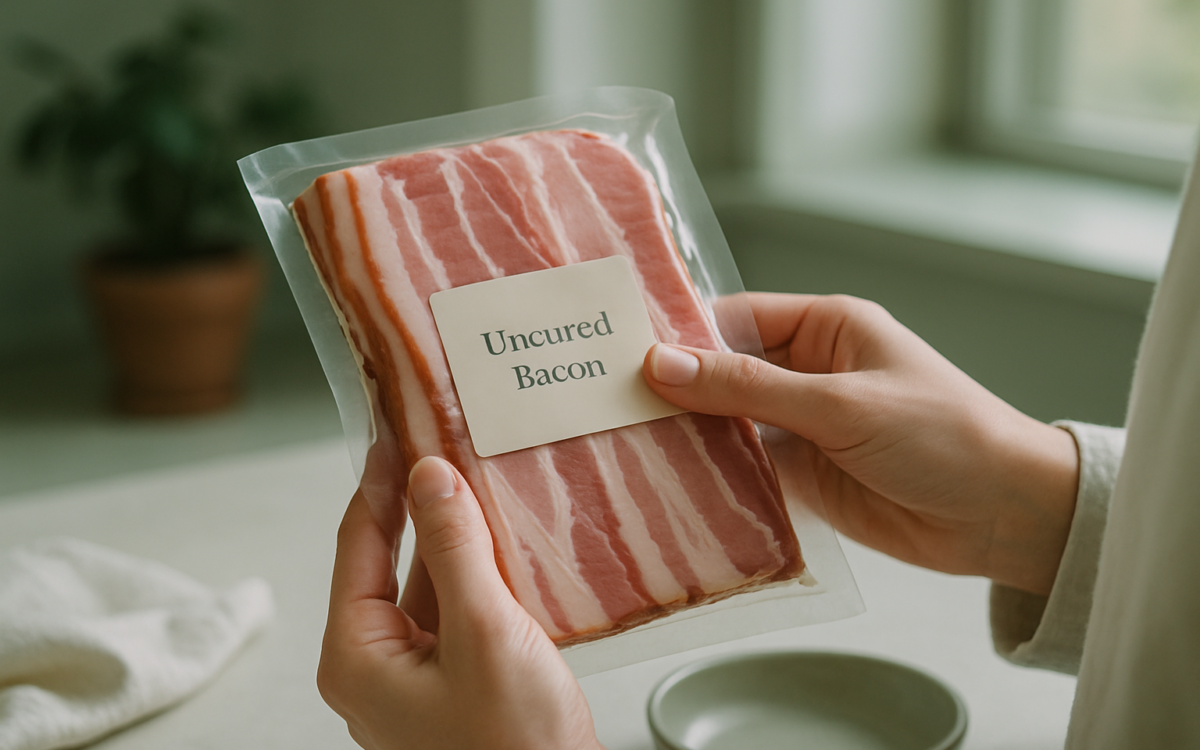
Bacon is a beloved breakfast staple and a delicious addition to many dishes. However, if you’ve wandered through the grocery store meat aisle recently, you may have noticed labels for both cured and uncured bacon. So, what exactly is uncured bacon, and how does it differ from its cured counterpart? Let’s unravel the details.
Understanding the Basics of Bacon
Bacon typically comes from the belly or back of pigs and is known for its rich flavor and crispy texture when cooked. The processing of bacon primarily involves curing, which is the addition of salt, nitrates, or nitrites to preserve the meat and enhance its flavor.
What Is Uncured Bacon?
Uncured bacon may sound like a healthier alternative due to its name, but it’s important to clarify what it means. Uncured bacon is not actually free of curing; rather, it is cured using natural ingredients such as celery powder or juice. These ingredients contain natural nitrates and nitrites, which serve the same purpose as synthetic ones found in conventional cured bacon.
The Differences Between Cured and Uncured Bacon
Understanding the distinctions between cured and uncured bacon can help inform your dietary choices:
- Cured Bacon: Typically includes synthetic nitrates and nitrites (like sodium nitrite) that add flavor and help preserve the meat.
- Uncured Bacon: Uses natural sources of nitrates, such as celery powder, and does not include artificial additives. It tends to have a slightly different flavor due to these natural ingredients.
Nutritional Content of Uncured Bacon
When it comes to nutritional value, uncured bacon is similar to cured bacon. Both options are high in protein and fat. Additionally, the presence of nitrates in uncured bacon is still a point of discussion among health experts. While some suggest that natural nitrates may be less harmful than their synthetic counterparts, the overall consensus remains cautious due to the potential health risks associated with consuming too much processed meat.
Health Considerations
Processed meats, including both cured and uncured bacon, have been linked to health risks. According to the National Institutes of Health, consuming high amounts of processed meats has been associated with an increased risk of various health conditions, including:
- Heart disease
- Certain types of cancer
- High blood pressure
Understanding the health implications of your dietary choices is essential. While enjoying bacon in moderation may not pose significant risks, frequent consumption could contribute to long-term health issues.
How to Cook and Enjoy Uncured Bacon
If you choose to include uncured bacon in your meals, there are many delicious ways to enjoy it:
- Breakfast Dishes: Uncured bacon can be enjoyed with eggs, pancakes, or in breakfast burritos.
- In Salads: Adding crumbles of crispy bacon to salads can elevate flavor and texture.
- As a Topping: Use uncured bacon to enhance burgers, pizzas, or baked potatoes.
Cooking uncured bacon is similar to cooking any bacon; whether you pan-fry it or bake it, you’ll want to cook it until it’s crispy but not burnt. This will help bring out its flavor while also ensuring it’s safe to eat.
Shopping Tips for Uncured Bacon
When looking for uncured bacon, consider these tips:
- Check Labels: Look for the term ‘uncured’ and review the ingredient list for natural sources of nitrates.
- Seek Quality Brands: Choose reputable brands that prioritize quality meat and avoid fillers.
- Pay Attention to Serving Size: Understand the portion you are consuming to keep it within a healthy dietary range.
When to See a Doctor
If you experience any adverse health effects after consuming processed meats, such as digestive discomfort or allergic reactions, consider consulting a healthcare provider. Regular check-ups can also help monitor overall health in relation to diet.
It’s important to approach dietary choices with balance and moderation. If you enjoy bacon, whether cured or uncured, consider how it fits into your overall dietary patterns.
Conclusion
Uncured bacon can be a tasty addition to your meals, but being informed about what it is and its health implications is crucial. By understanding the differences between cured and uncured bacon, you can make choices that align with your dietary preferences and health considerations. Enjoy your bacon in moderation, and remember to maintain a balanced diet for overall well-being.
