
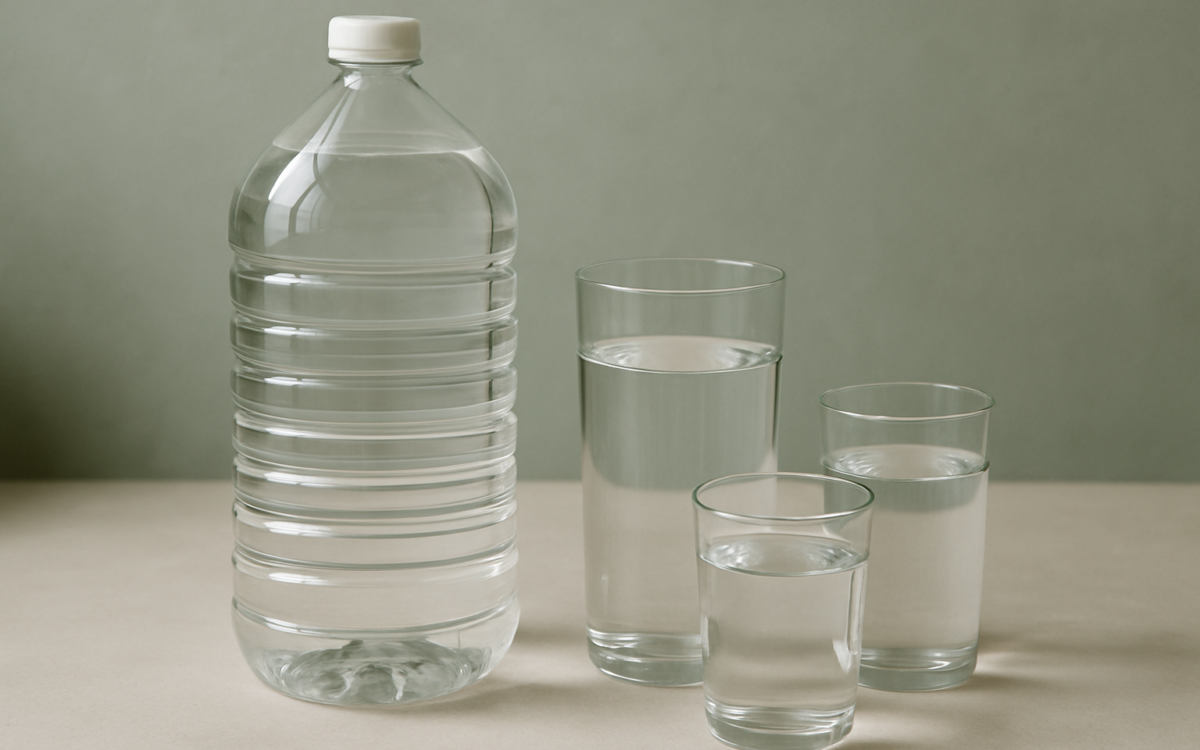
Staying hydrated is essential for maintaining good health, yet many of us struggle to drink enough water each day. Understanding how much three liters of water is can help clarify your daily hydration goals and enhance your overall well-being. In this article, we’ll explore the concept of three liters, why it matters, and how to gauge your water intake effectively.
Defining 3 Liters of Water
When we refer to three liters of water, we essentially mean a specific volume of liquid. One liter is equivalent to approximately 4.2 cups or 1.06 quarts. Therefore, three liters equals about 12.6 cups or 3.17 quarts of water. This volume may appear daunting at first glance, but it’s crucial in understanding how much water our bodies truly need through the course of a day.
Why Hydration Matters
Water is a vital component of our bodies, making up about 60% of our total body weight. It plays several crucial roles, including:
- Regulating body temperature: Sweating and respiration are ways our body cools itself, and adequate water is necessary for these processes.
- Supporting cellular function: Every cell in our body relies on water to perform essential functions, including nutrient transport and waste removal.
- Promoting digestion: Water aids in digesting food, helping to break it down and facilitating nutrient absorption.
- Lubricating joints: Synovial fluid, which lubricates our joints, is primarily composed of water, making hydration crucial for joint health.
According to the National Institutes of Health (NIH), staying properly hydrated can improve cognitive function, physical performance, and mood.
How Much Water Do You Really Need?
The general recommendation for daily water intake varies, with common suggestions ranging from 2 to 3 liters per day. However, individual water needs can differ based on various factors, such as:
- Age: Children and teenagers may require different amounts than adults.
- Activity level: More physically active individuals need more water to replace fluids lost through sweat.
- Climate: Hot or humid weather can necessitate increased fluid intake.
- Health conditions: Conditions like fever, diarrhea, or vomiting can increase your body’s need for fluids.
Listening to your body is essential. Thirst is a natural indicator that you need more fluids, and it’s good practice to respond to it.
Creative Ways to Meet Your Water Intake
Meeting your daily water goal of three liters doesn’t always have to come from plain water alone. Here are some creative ways to enhance your hydration:
- Infused water: Add slices of fruit (like lemon, berries, or cucumber) to your water to make it more flavorful and appealing.
- Herbal teas: Non-caffeinated herbal teas can be a great alternative to water; they also add a variety of flavors and potential health benefits.
- Eating water-rich foods: Consider incorporating fruits and vegetables into your diet as they have high water content. For example, cucumbers, oranges, and watermelon are over 90% water.
- Set reminders: Use your phone or apps to remind you periodically to drink water throughout the day.
By finding enjoyable ways to increase your fluid intake, you’ll be more likely to hit your hydration goals.
Signs of Dehydration
While understanding the importance of adequate hydration is vital, it’s equally important to recognize the signs of dehydration. Common symptoms include:
- Thirst
- Dry mouth or throat
- Dizziness or lightheadedness
- Dark yellow urine
- Fatigue
If you experience any of these symptoms, especially during hot days or intense physical activity, consider increasing your fluid intake. In severe cases, dehydration can lead to serious health complications, which is why awareness of hydration status is crucial.
When to See a Doctor
If you’re consistently struggling to consume enough water or if you experience severe symptoms of dehydration like extreme thirst, confusion, or persistent dry mouth, it’s essential to seek medical advice. Your doctor can provide guidance tailored to your specific needs and may address any underlying health concerns impacting your hydration.
Conclusion
Understanding how much three liters of water is and its role in hydration can significantly impact your health. By recognizing your body’s needs and finding enjoyable ways to meet your hydration goals, you’ll be on your way to improved well-being. Whether through drinking plain water, enjoying herbal teas, or selecting water-rich foods, staying adequately hydrated is within your reach!
