
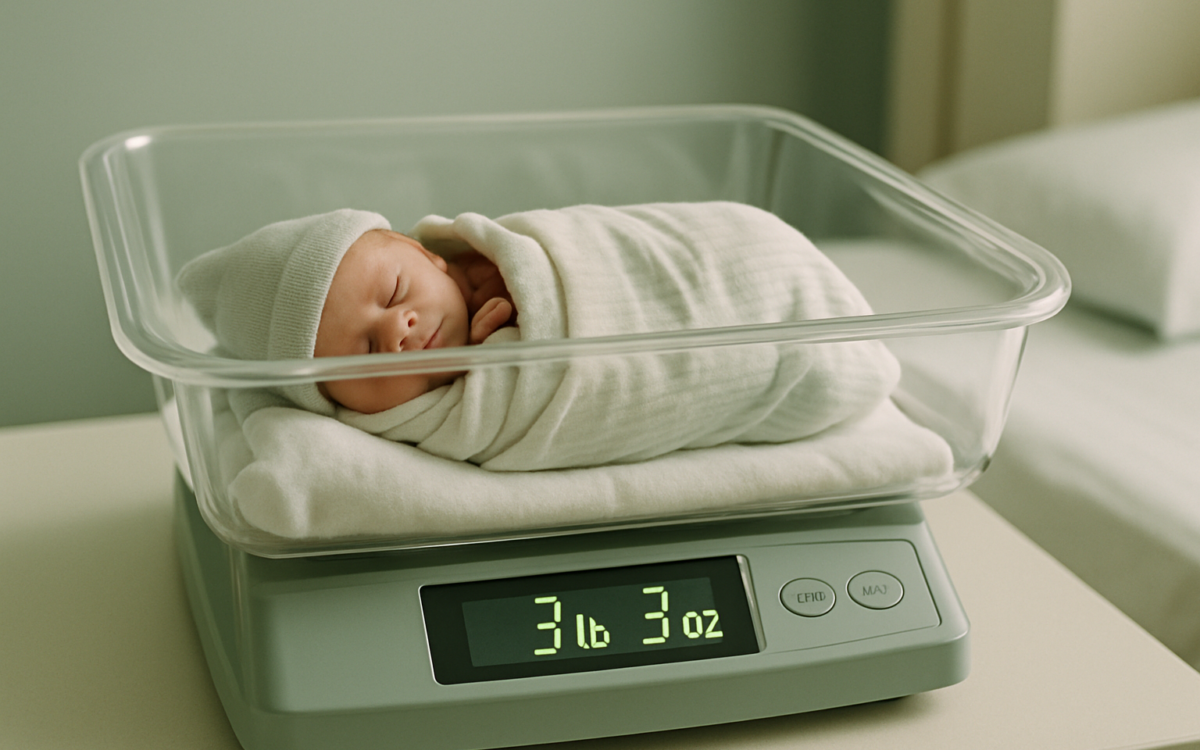
Every newborn’s journey is unique, but many parents find themselves checking milestones, including weight. One such milestone that often grabs attention is 3 pounds 3 ounces. Understanding what this weight represents can help parents track their baby’s growth and development during these crucial early weeks.
What Does 3 Pounds 3 Ounces Mean?
3 pounds 3 ounces translates to approximately 1.45 kilograms. For many parents, this weight can signify the birth weight of a premature baby, as a healthy full-term infant generally weighs around 5.5 to 8.8 pounds (2.5 to 4 kilograms) at birth. Taking that into consideration, 3 pounds 3 ounces might not seem like a normal weight for a newborn, but it carries great significance regarding health and care.
Understanding Premature Births
Premature birth refers to a baby being born before 37 weeks of pregnancy have been completed. Babies born prematurely, particularly those weighing less than 3 pounds 5 ounces (1.5 kilograms), are considered very low birth weight (VLBW). These infants face a higher risk of complications due to their underdeveloped organs and systems.
According to the Centers for Disease Control and Prevention (CDC), many premature babies receive care in neonatal intensive care units (NICUs) where they can receive specialized support. Care in these units often includes temperature regulation, nutrition monitoring, and respiratory support, all vital for their development.
Growth Patterns in the First Month
After the initial weight loss following birth—which is common as newborns shed excess fluid—healthy babies usually regain their birth weight by about two weeks old. Post that, typical weight gain can vary, but most newborns gain about 5 to 7 ounces (140 to 200 grams) a week during the first month. If a baby weighs 3 pounds 3 ounces at birth, pediatricians will monitor growth closely to ensure that they are gaining weight adequately over time.
The weight gain in newborns can depend on a variety of factors including gestational age at birth, feeding method (breastfeeding or formula), and individual metabolism. It’s essential to have ongoing discussions with healthcare providers to track these growth patterns, especially for infants with very low birth weights.
What Parents Can Do to Help Their Babies
First-time parents might feel overwhelmed, especially if they have a baby weighing 3 pounds 3 ounces. Here are some practical tips to nurture your baby’s growth:
- Feeding: Ensure that your baby is feeding adequately. Breast milk is often recommended due to its rich nutrients, but formula is also a suitable option. Consulting with a pediatrician about feeding plans will help.
- Skin-to-Skin Contact: Holding your baby close can improve bonding and promote health. Skin-to-skin contact, or kangaroo care, has been shown to stabilize a baby’s heart rate and promote weight gain.
- Monitoring Weight: Regular check-ins with your pediatrician can help ensure that your baby is gaining weight appropriately. Track milestones, and feel free to ask questions about any concerns.
- Creating a Safe Environment: Make sure your home and nursery meet safety standards. This includes having a crib that meets safety regulations and keeping small objects away from areas where the baby will be.
Emotional Support for Parents
Having a baby with a low birth weight can evoke a variety of emotions for mothers and fathers. Feelings of stress and anxiety are common, and it’s important to acknowledge these feelings. While you care for your newborn, don’t hesitate to seek help for yourself.
Connecting with support groups can provide reassurance and knowledge from other parents who have been in similar situations. Organizations like the National Institute of Child Health and Human Development (NICHD) offer resources and community connections specifically for families of premature infants.
When to See a Doctor
If your baby was born at 3 pounds 3 ounces, it’s crucial to maintain regular pediatric appointments. However, you should reach out to your healthcare provider immediately if you notice:
- Signs of dehydration (e.g., dry mouth, fewer than six wet diapers a day)
- Persistent weight loss or failure to gain weight as expected
- Any changes in feeding patterns or refusal to eat
- Signs of illness (such as fever, difficulty breathing, or unusual lethargy)
Conclusion
Understanding what a weight of 3 pounds 3 ounces means in your baby’s health journey is vital for their overall growth and well-being. While this milestone might be concerning for some parents, focusing on nurturing your child through proper feeding, monitoring, and emotional support can pave the way for healthy development. Always stay in touch with your pediatric healthcare provider to receive individualized guidance and care as your baby grows. Remember, every baby’s journey is different, and seeking help when needed is part of being a caring and attentive parent.
