
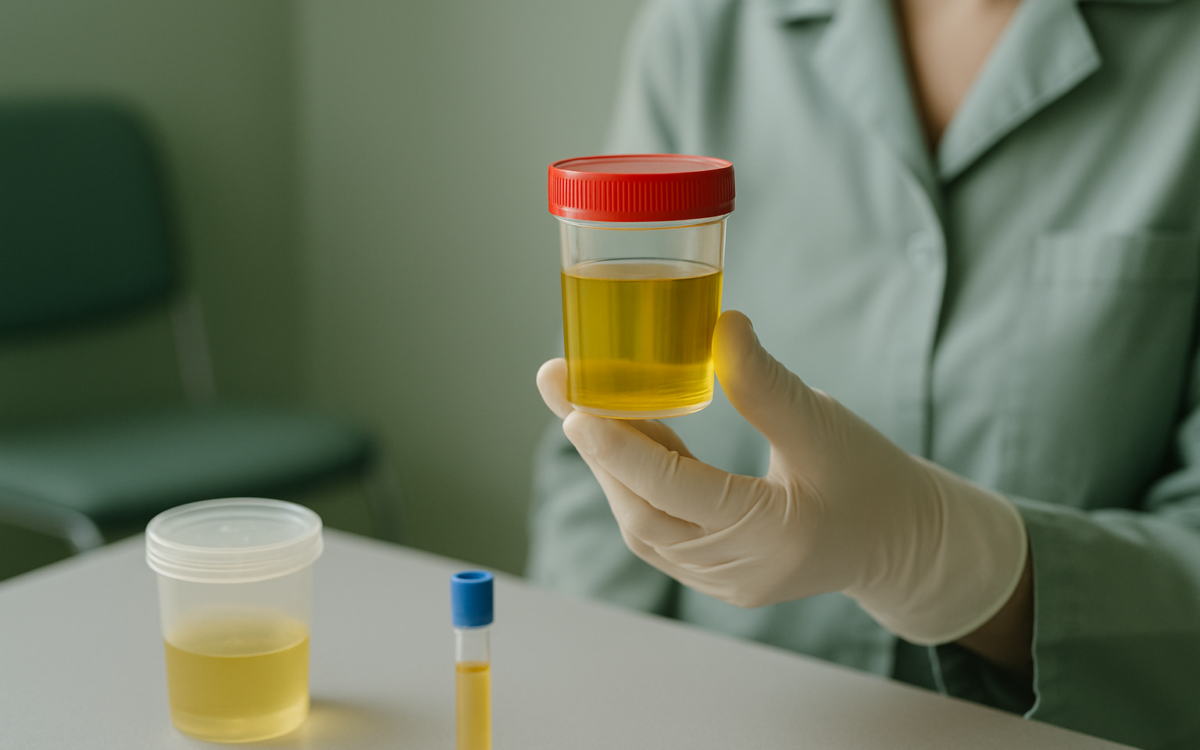
When it comes to alcohol consumption, understanding how long it can be detected in your body is essential, whether for legal reasons, workplace policies, or personal health. Alcohol doesn’t just disappear after a few hours; its presence can be felt in the body for longer than you might believe. In this article, we will explore the various factors that influence how long alcohol stays in your urine, the science behind urine tests, and what to keep in mind when consuming alcohol.
How Urine Tests Detect Alcohol
Urine tests are commonly used to detect the presence of alcohol in the body. These tests typically measure the metabolite ethyl glucuronide (EtG), which is a byproduct of alcohol metabolism. While ethanol—the alcohol you drink—can be broken down quickly, EtG can remain in the body for a longer time. This means that urine tests can pick up alcohol consumption even after the effects have worn off.
Detection Timeframe of Alcohol in Urine
Generally, alcohol can be detected in urine anywhere from 12 to 72 hours after consumption, depending on several factors:
- Amount Consumed: Larger amounts of alcohol take longer to metabolize, resulting in longer detection times.
- Frequency of Use: Frequent drinkers may have a higher concentration of metabolites in their system, extending detection times.
- Metabolic Rate: Individual metabolic rates can vary greatly, affecting how quickly alcohol is processed.
- Hydration Levels: Someone who is well-hydrated might expel alcohol metabolites faster than someone who is not.
Research suggests that EtG can remain detectable in urine for up to 80 hours under specific circumstances, although this is not the norm for most casual drinkers (NIH).
The Role of Individual Factors
Everyone metabolizes alcohol differently. Factors that influence this include:
- Body Weight: Heavier individuals may process alcohol differently compared to lighter individuals.
- Gender: Women generally metabolize alcohol slower than men due to differences in body composition.
- Age: Older adults often experience slower metabolism rates, impacting detection times.
Furthermore, genetics can play a role in how effectively your body breaks down alcohol. Variations in liver enzymes mean some people will metabolize alcohol much faster or slower than others.
Legal and Employment Considerations
If you’re subject to regular alcohol testing—like many employees in safety-sensitive positions or in industries regulated by federal law—it’s crucial to understand how alcohol can affect your employment status. A positive urine test can lead to disciplinary actions or even termination, depending on company policies. Employers often test for alcohol use within a specific timeframe after an incident or accident. Knowing how long alcohol stays detectable in your system can help inform your choices.
Common Myths About Alcohol Detection
Several misconceptions surround alcohol detection in urine tests. Here are a few to debunk:
- Myth: Drinking coffee helps speed up alcohol elimination. This is false. Coffee may help you feel more awake, but it does not speed up alcohol metabolism.
- Myth: You can ‘sweat out’ alcohol. While the body does expel trace amounts of alcohol through sweat, this is not an effective method for reducing blood alcohol content.
- Myth: Drinking water eliminates alcohol faster. Hydration is essential, but it won’t flush alcohol out of your system immediately.
Understanding these myths can empower you to make wiser decisions when it comes to alcohol consumption.
When to See a Doctor
If you have concerns about alcohol use or its effects on your health, it’s wise to consult a healthcare professional. Symptoms of alcohol misuse can include withdrawal symptoms, anxiety, or changes in physical health. Additionally, if you’re worried about the implications of urine tests for alcohol due to legal or employment reasons, a doctor can provide guidance tailored to your needs. More information can be found through the World Health Organization and CDC.
Conclusion
Understanding how long alcohol stays detectable in urine can be an important aspect of responsible drinking. Various factors influence detection times, including how much you drink, your metabolism, and your body composition. If you’re facing potential alcohol testing or have concerns about your drinking habits, seeking guidance from a healthcare provider can help you navigate these waters more safely. Remember, knowledge is power—we can make informed decisions that support our health and well-being.
