
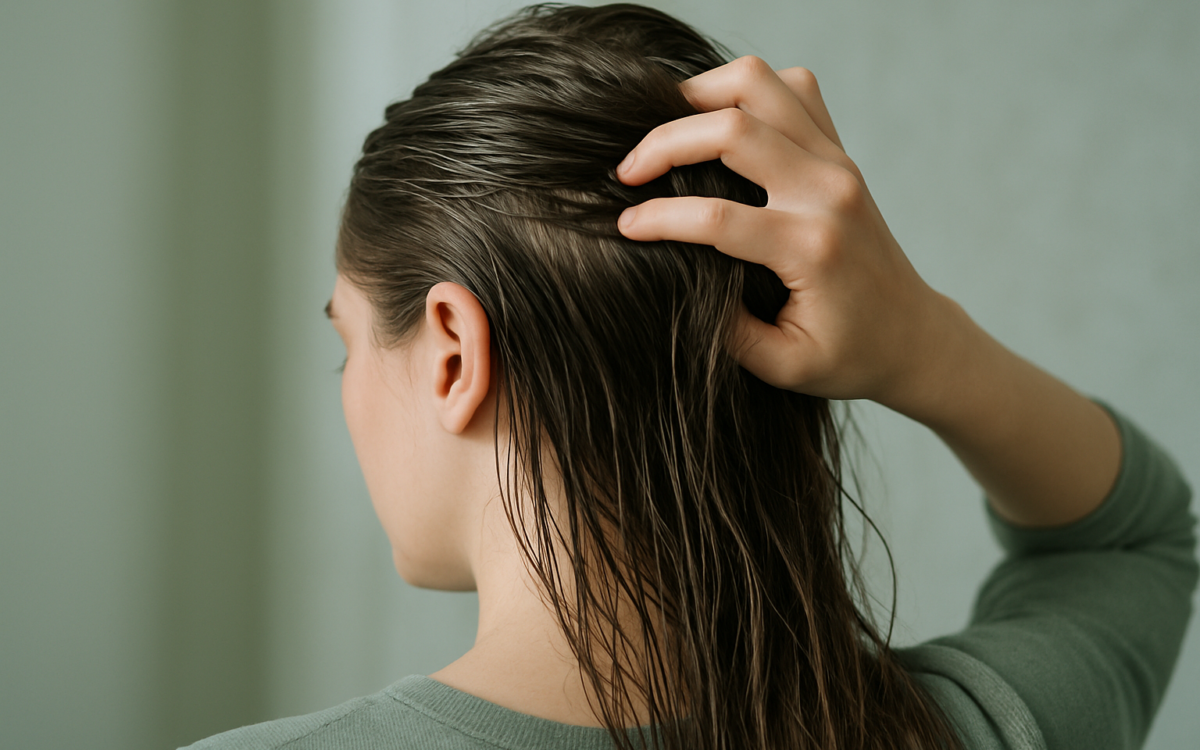
When you run your fingers through your hair and find it looking slick or feeling greasy, you’re not alone. Many people experience this common issue, often leading to feelings of frustration and insecurity. Greasy hair can occur for various reasons, often linked to common factors we might not be fully aware of. This article will delve into the causes of greasy hair, how to manage it effectively, and when it may be time to consult a healthcare professional.
What Causes Greasy Hair?
Understanding why your hair becomes greasy is the first step toward managing it. Greasy hair primarily results from an overproduction of sebum, which is a natural oil produced by the sebaceous glands in your scalp.
- Genetics: Some people have a genetic predisposition to oily skin and hair due to more active sebaceous glands.
- Hormonal Changes: Hormones can significantly impact oil production. Puberty, menstrual cycles, and conditions like polycystic ovary syndrome (PCOS) can lead to increased oiliness.
- Diet: A diet high in carbohydrates, sugars, and dairy products may promote oil production. Foods rich in omega-3 fatty acids, on the other hand, are known to promote scalp health.
- Improper Hair Care: Overwashing or not washing your hair enough can disrupt the natural balance. Furthermore, using hair products that are too heavy can contribute to a greasy appearance.
Everyday Habits to Reduce Oiliness
Adjusting your daily habits can greatly influence how greasy your hair feels and looks. Here are some simple lifestyle changes to consider:
- Shampoo Regularly: For those with oily hair, shampooing every day or every other day can help control oil levels. Look for shampoos labeled as ‘clarifying’ or ‘volumizing’ to remove excess grease.
- Brush Your Hair Wisely: Excessive brushing can stimulate oil production. Try to limit your brushing to necessary occasions and use a clean, soft-bristled brush.
- Avoid Touching Your Hair: Our hands carry oils, dirt, and bacteria. Touching your hair frequently can transfer these substances, making your strands feel greasier.
- Watch Your Hair Products: Avoid heavy pomades, waxes, and oils. Instead, opt for lightweight products that are less likely to cause buildup.
Natural Remedies for Greasy Hair
If store-bought products aren’t your preference, several natural remedies can help manage greasy hair. Here’s a quick rundown:
- Apple Cider Vinegar: Mixing one part apple cider vinegar with three parts water and applying it as a rinse can help balance the scalp’s pH and reduce oiliness.
- Lemon Juice: The acidity of lemon juice can help cut through grease. Mix lemon juice with water, massage it into your scalp, and rinse thoroughly.
- Baking Soda: A paste made from baking soda and water can act as a gentle exfoliant on the scalp, potentially removing excess oil.
Professional Treatments for Oily Hair
If at-home remedies and lifestyle changes don’t yield desired results, consulting a professional can provide additional options. Dermatologists or trichologists (hair specialists) can guide you to treatments such as:
- Prescription Shampoos: Certain medicated shampoos, available by prescription, can help control sebaceous gland activity.
- Oil-Reducing Treatments: Some dermatologists may recommend treatments such as chemical peels or laser therapy, which can help balance oil production.
Psychological and Social Impacts of Greasy Hair
While greasy hair is often seen as a purely aesthetic concern, it can also significantly affect self-esteem and social interactions. People with oily hair may worry about how they are perceived, leading to self-consciousness when interacting with others. Understanding these feelings—whether they stem from cultural beauty norms or personal insecurities—can help in addressing the emotional side of dealing with greasy hair.
When to See a Doctor
If you’re struggling with persistent greasy hair despite implementing lifestyle changes and remedies, it’s wise to consult a healthcare provider. Conditions such as seborrheic dermatitis, which can lead to excessive oil and flaking, may require professional evaluation and treatment. It’s best to consult a specialist if you experience symptoms such as:
- Persistent itching or irritation
- Flaky scalp that doesn’t improve with treatment
- Sudden changes in oiliness
You can find more information on scalp health and hair care through reliable sources like the National Institutes of Health or the Mayo Clinic.
In conclusion, greasy hair can be a common yet manageable issue. By understanding its causes and taking proactive steps, you can significantly improve the health and appearance of your hair. Remember, if your efforts at home do not yield results, don’t hesitate to seek advice from a healthcare professional. Maintaining a healthy scalp and hair is within reach!
