
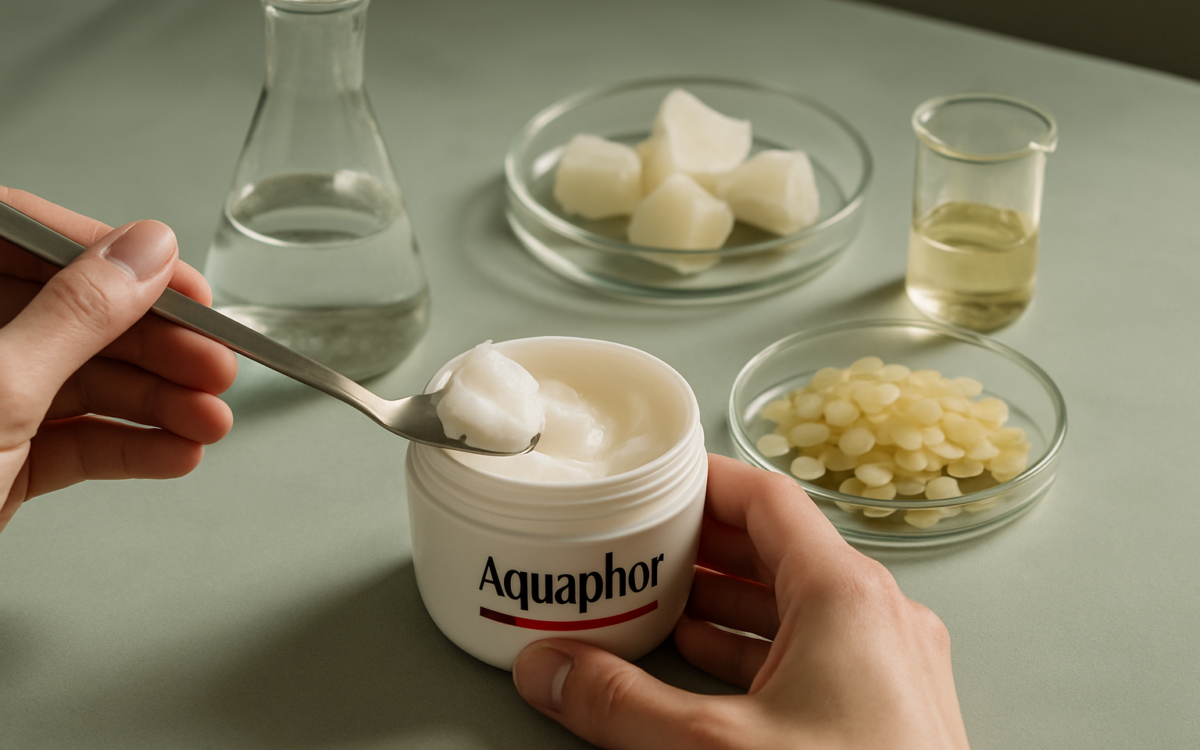
Aquaphor is a well-known name in the world of skin care, often touted as a miracle ointment for dry and damaged skin. Many families keep a tube of it handy for everything from minor cuts to chapped lips. But what exactly is in Aquaphor that makes it so effective? Understanding its ingredients can help you appreciate how this product works and why it might be a staple in your skin care routine.
What is Aquaphor?
Aquaphor is a healing ointment that acts as an emollient, providing moisture and promoting healing for various skin conditions. The product is commonly recommended for dry skin, minor burns, cuts, and other dermatological needs. It’s popular because it’s gentle on the skin and can be used by both adults and children. But its effectiveness lies in the specific combination of ingredients.
Aquaphor’s Key Ingredients
To understand why Aquaphor is so effective, let’s take a closer look at its primary ingredients:
- Petrolatum: This is the main ingredient in Aquaphor, making up about 41% of the formula. Petrolatum, also known as petroleum jelly, acts as an occlusive agent, forming a protective barrier on the skin that prevents moisture loss. This helps keep the skin hydrated and promotes healing.
- Mineral Oil: Mineral oil provides additional hydration and helps to soften and soothe the skin. This ingredient is often used in skin care products because it is non-comedogenic, meaning it won’t clog pores.
- Ceramide: Ceramides are crucial components of the skin barrier. They help to retain moisture and strengthen the skin’s outer layer. By including ceramides, Aquaphor helps to restore the skin’s natural barrier, making it effective for treating dry and cracked skin.
- Lanolin Alcohol: This is a natural substance derived from sheep’s wool, known for its moisturizing properties. Lanolin helps to soothe and hydrate the skin, making it particularly helpful for areas that are excessively dry or irritated.
- Glycerin: Glycerin is a powerful humectant that draws moisture from the environment into the skin, boosting hydration levels. It helps to keep the skin feeling supple and soft.
- Stearyl Alcohol: Unlike regular alcohol that can dry out the skin, stearyl alcohol is a fatty alcohol that acts as an emollient and stabilizer. It enhances the moisturizing properties of Aquaphor without causing irritation.
How Do These Ingredients Work Together?
The combination of petrolatum and other nourishing ingredients creates a protective environment for the skin. When applied, Aquaphor forms a semi-occlusive barrier, which prevents moisture from escaping while allowing oxygen to reach the skin. This is particularly important for healing. The ingredients work synergistically to hydrate the skin, soothe irritation, and promote faster healing of minor injuries.
Applications of Aquaphor
One of the reasons Aquaphor has gained popularity is its versatility. Here are some common uses of Aquaphor:
- Dry Skin Relief: Aquaphor is effective for treating severely dry skin, especially on areas prone to moisture loss like elbows, knees, and heels.
- Wound Healing: Many people apply Aquaphor to minor cuts and scrapes to assist with healing. The protective barrier reduces the risk of infection while keeping the area moist.
- Chapped Lips: Using Aquaphor on lips can help prevent chapping and keep them smooth, making it popular during colder months.
- Post-Procedure Care: Dermatologists often recommend Aquaphor for patients recovering from dermatological procedures, as it aids in maintaining moisture and protecting sensitive skin.
- Baby Care: Parents use Aquaphor to prevent diaper rash and to soothe dry patches on their babies’ skin.
Comparing Aquaphor to Other Moisturizers
While Aquaphor can be extremely effective, it’s essential to understand how it compares to other moisturizers:
- Heavy-Duty vs. Lightweight: Aquaphor is heavier and more occlusive than many traditional creams and lotions. This makes it better for severe dryness but may not be suitable for everyone’s daily moisturizer.
- Absorption: Unlike lighter moisturizers that absorb quickly, Aquaphor tends to sit on the skin longer, making it useful for overnight applications.
- Ingredient Sensitivity: Some individuals may experience sensitivities to certain ingredients in Aquaphor, such as lanolin. It’s wise to perform a patch test before extensive use.
Potential Side Effects and Considerations
Although Aquaphor is safe for most people, it’s not without concerns:
- Allergic Reactions: Some individuals may develop an allergic reaction to lanolin or other ingredients, resulting in redness, itching, or swelling.
- Clogged Pores: Since Aquaphor is heavy, it may not be suitable for facial use for people who are prone to acne. It’s always best to consult a dermatologist for personalized advice.
- Expiration and Storage: Although Aquaphor has a long shelf life, it’s important to check for any changes in color or consistency and to store it properly away from excessive heat.
When to See a Doctor
If you experience persistent dry skin, recurrent skin issues, or any unusual reactions after using Aquaphor, consider consulting a healthcare professional. They can help identify underlying issues and recommend the best course of treatment based on your skin’s needs.
For further information on skin health and the role of moisturizers, refer to credible sources like the NIH or the Mayo Clinic.
In summary, Aquaphor is more than just a moisturizing ointment; it’s a blend of effective ingredients that work together to hydrate, protect, and heal the skin. Whether you’re dealing with dry patches, minor cuts, or chapped lips, understanding its components can help you make informed choices about your skin care routine.
