
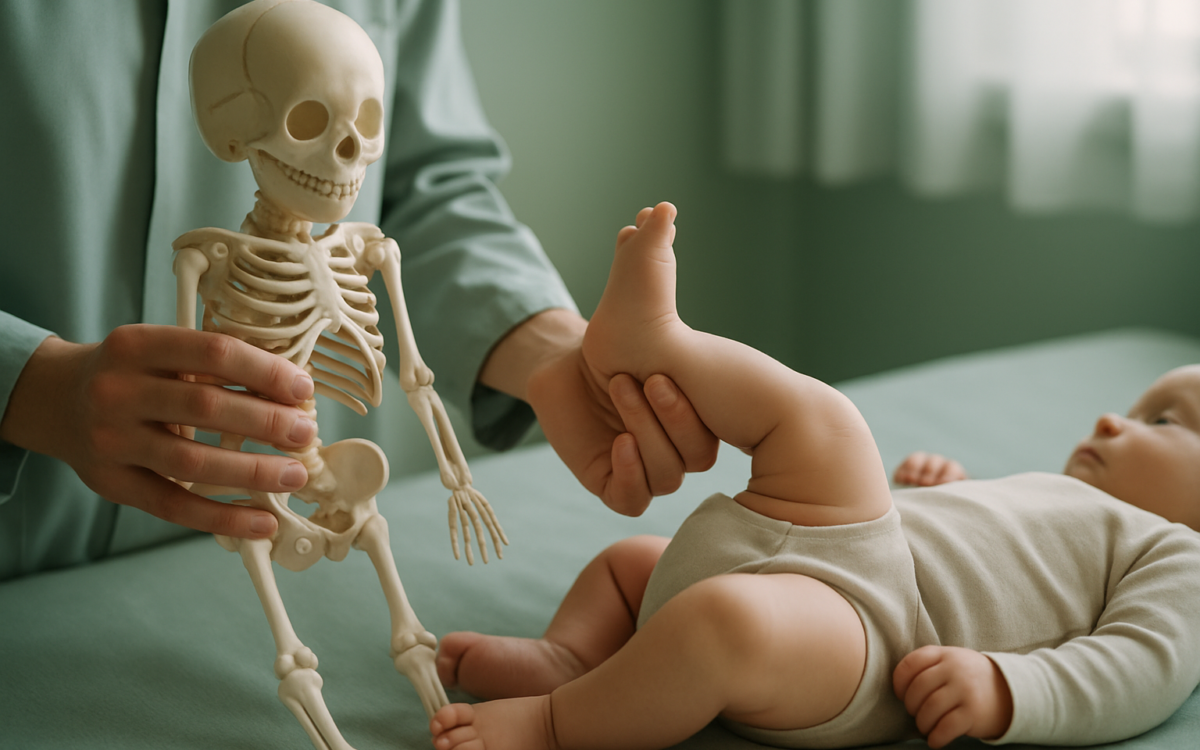
The first stages of a baby’s life are filled with astonishing changes. From their first breath to the day they take their first steps, every moment is critical for development. One of the most vital aspects often overlooked by parents is the growth and health of baby bones. Just as a house needs a strong foundation, babies require healthy bones to support their rapid growth and development.
The Anatomy of Baby Bones
At birth, a baby’s skeleton consists of about 270 bones. Many of these bones are made of cartilage, which is flexible and soft. This gives babies the ability to fit through the birth canal and allows for easier movement in their early months. As they grow, some of these cartilage bones will fuse together, resulting in a total of 206 bones in adulthood. This transformation is crucial as it supports their development as they begin to stand, walk, and run.
Stages of Bone Development
Bone development occurs in several stages during infancy and early childhood:
- Infancy (0-12 months): During this period, babies experience rapid bone growth. The bones begin to harden as they develop from soft cartilage to harder tissue.
- Early Childhood (1-5 years): This stage sees continued growth in both the length and strength of bones. Proper nutrition becomes crucial to support this growth.
- Middle Childhood (6-12 years): Children will experience growth spurts where bones grow quickly. Regular check-ups are important to ensure healthy development during these spurts.
The Role of Nutrition in Bone Health
Nutrition plays a vital role in ensuring strong bones. Here are some essential nutrients for bone health:
- Calcium: Critical for bone strength, calcium can be found in breast milk or formula and, later, in dairy products like yogurt, cheese, and milk.
- Vitamin D: This vitamin helps the body absorb calcium. It can be obtained through sunlight exposure and is often added to baby formula. Foods like fatty fish and egg yolks are also good sources.
- Protein: Necessary for overall growth, protein can be sourced from meats, beans, and nuts. Ensuring your baby has a balanced diet rich in these foods can support bone development.
Physical Activity and Its Importance
Just as nutrition is fundamental, physical activity also plays a key role in healthy bone development. Regular movement helps stimulate bones to grow stronger. Here are a few age-appropriate activities that can support healthy bones:
- Tummy time: For infants, tummy time is crucial. It encourages movement and helps develop the muscles needed for mobility.
- Walking and running: As your baby grows into a toddler, encourage them to walk, run, and play. Activities like climbing and jumping also aid in bone health.
- Outdoor play: Natural sunlight is important for Vitamin D, so ensure your child has opportunities to play outside safely.
Common Bone Health Concerns
Parents should be aware of some common issues that may affect a baby’s bone health:
- Rickets: This condition, caused by a deficiency in Vitamin D, calcium, or phosphate, leads to weakened bones in children. It can cause bone pain, delayed growth, and deformities.
- Osteogenesis Imperfecta: Also known as “brittle bone disease,” this genetic condition results in fragile bones that break easily. It requires special care and management.
- Growth Plate Injuries: Inactive or overly active play can sometimes lead to injuries around the growth plates in bones, affecting overall growth.
Recognizing the signs and symptoms of these conditions is essential for ensuring that your child receives the proper care and support.
When to See a Doctor
It is important to consult your pediatrician if you notice any of the following signs:
- Persistent bone pain in your child.
- Signs of delayed physical milestones, such as not crawling or walking when expected.
- Frequent fractures or injuries without a clear cause.
- Poor growth or unusual physical appearances, such as bowing of the legs.
Regular check-ups can help monitor your child’s bone health and address any concerns early on.
Understanding and supporting your baby’s bone development can help set the stage for a healthy, active life. By providing a balanced diet, encouraging physical activity, and staying informed about potential health issues, parents can play a crucial role in fostering strong bones for their children.
