
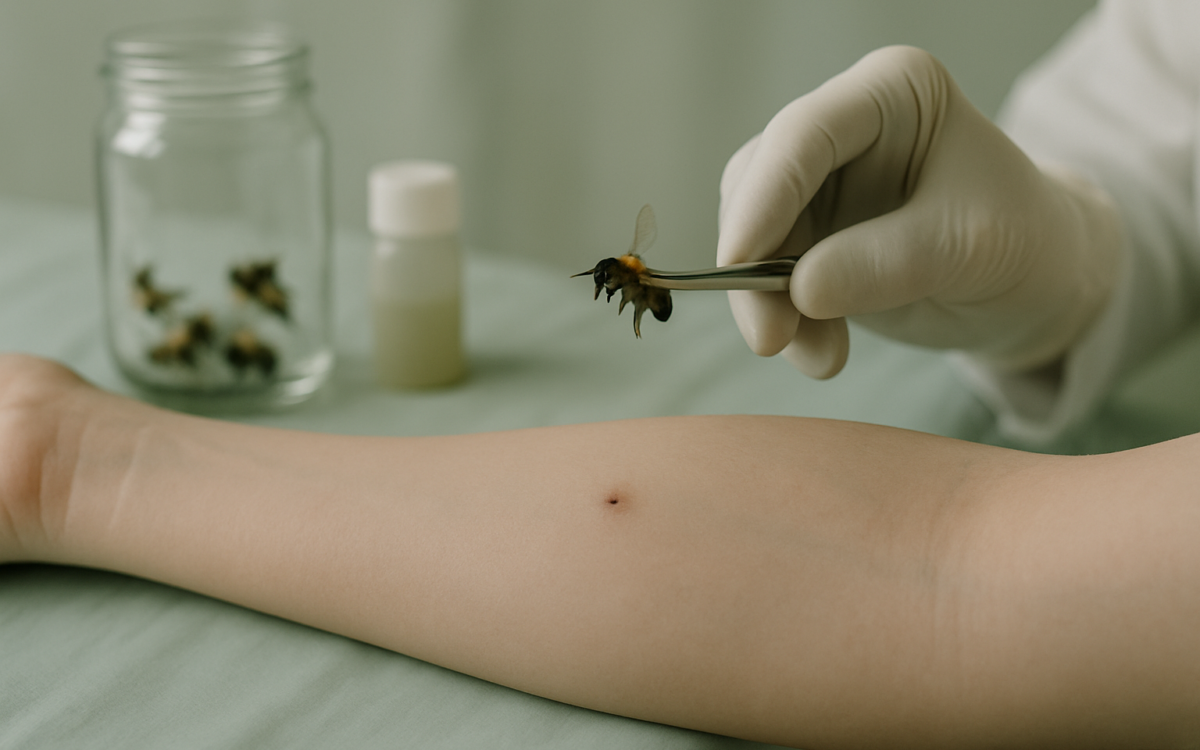
Bee venom, a complex mixture of proteins and enzymes, is renowned for its role in stings and its potential health benefits. For those who have been stung by a bee, understanding how long the venom remains in your system can provide insight into your body’s response and recovery. In this article, we’ll break down the journey of bee venom once it enters your system, how it affects the body, and what you might expect in terms of symptoms and recovery time.
The Components of Bee Venom
Bee venom is made up of more than 80 different compounds, including proteins, enzymes, and peptides. These components contribute to its pain-inducing properties and can provoke allergic reactions in some individuals. Among the most notable components are:
- Melittin: A peptide that constitutes about 50% of bee venom, known for its ability to trigger pain and inflammation.
- Phospholipase A: An enzyme that breaks down cell membranes, leading to cell damage and inflammatory responses.
- Hyaluronidase: An enzyme that helps venom spread through tissues more easily.
Understanding these components may shed light on how the venom interacts with the body and how long it can stay in your system.
How the Body Processes Bee Venom
When a bee stings, the venom is injected directly into the skin, where it begins to interact with the immune system. The body recognizes the venom as a foreign substance, triggering an immune response. This process includes:
- Initial Reaction: Within minutes of a sting, the body reacts with pain, swelling, and redness.
- Immune Response: The immune system activates, producing antibodies to fight off the venom. This response can vary greatly among individuals.
- Excretion and Breakdown: The body metabolizes and excretes the venom’s components, usually within a few hours or days, depending on various factors.
According to the National Institutes of Health, while the immediate effects of bee venom can last for several hours, its components may linger longer in the tissues and bloodstream, especially in individuals who have a severe allergic reaction.
Factors Influencing Retention Time
The duration that bee venom stays in your system can vary significantly depending on several factors:
1. Allergic Reactions
For those with an allergy to bee venom, the body may react more intensely and for longer periods. In these cases, symptoms such as pain, swelling, or even anaphylaxis can persist longer than in individuals without an allergy.
2. Individual Health Factors
Age, weight, and overall health can influence how the body metabolizes and clears substances, including venom. A strong immune system can potentially reduce the venom’s effects more rapidly.
3. Size of the Sting
The amount of venom injected can also affect retention time. Larger stings may deposit more venom, leading to prolonged symptoms and a longer metabolic process.
Symptoms of Bee Venom in the System
After a bee sting, the body may exhibit various symptoms, some of which can also indicate how long the venom is active:
1. Localized Symptoms
These symptoms occur at the site of the sting and usually include:
- Pain and tenderness
- Redness and swelling
- Itching
These localized effects generally resolve within a few hours to a few days. However, in allergic individuals, these symptoms can escalate.
2. Systemic Symptoms
In more severe allergic reactions, individuals may experience symptoms such as:
- Difficulty breathing
- Rapid heartbeat
- Nausea or vomiting
- Dizziness or fainting
Systemic reactions can arise quickly and require immediate medical attention.
Managing Symptoms and Recovery
For those who experience minor side effects from bee venom, there are several ways to manage symptoms:
1. Ice Packs
Applying ice to the sting site can reduce swelling and numb the pain.
2. Over-the-Counter Medications
Antihistamines can help alleviate itching and swelling, while nonsteroidal anti-inflammatory drugs (NSAIDs) can manage pain.
3. Seek Medical Attention for Severe Reactions
If symptoms progress or if you know you have an allergy to bee venom, it’s crucial to seek medical attention immediately. Healthcare providers can offer treatments such as epinephrine to counteract severe allergic reactions.
When to See a Doctor
If you experience any of the following symptoms after a bee sting, you should seek medical attention:
- Swelling that spreads beyond the sting site
- Severe pain or discomfort
- Difficulty breathing or swallowing
- Rapid heartbeat or fainting
Even if you’re unsure about the severity of your symptoms, it’s better to err on the side of caution. The Mayo Clinic emphasizes that prompt medical treatment can be crucial in preventing serious complications.
Conclusion
Bee venom can persist in your system for a varying amount of time, depending on factors like allergic responses and overall health. While the local effects of a sting are typically short-lived, some individuals, particularly those with allergies, may experience prolonged symptoms. By understanding how bee venom affects the body and recognizing symptoms, you can better manage your health after a sting. For any concerns or unusual symptoms, always consult your healthcare provider to ensure you receive appropriate care.
