
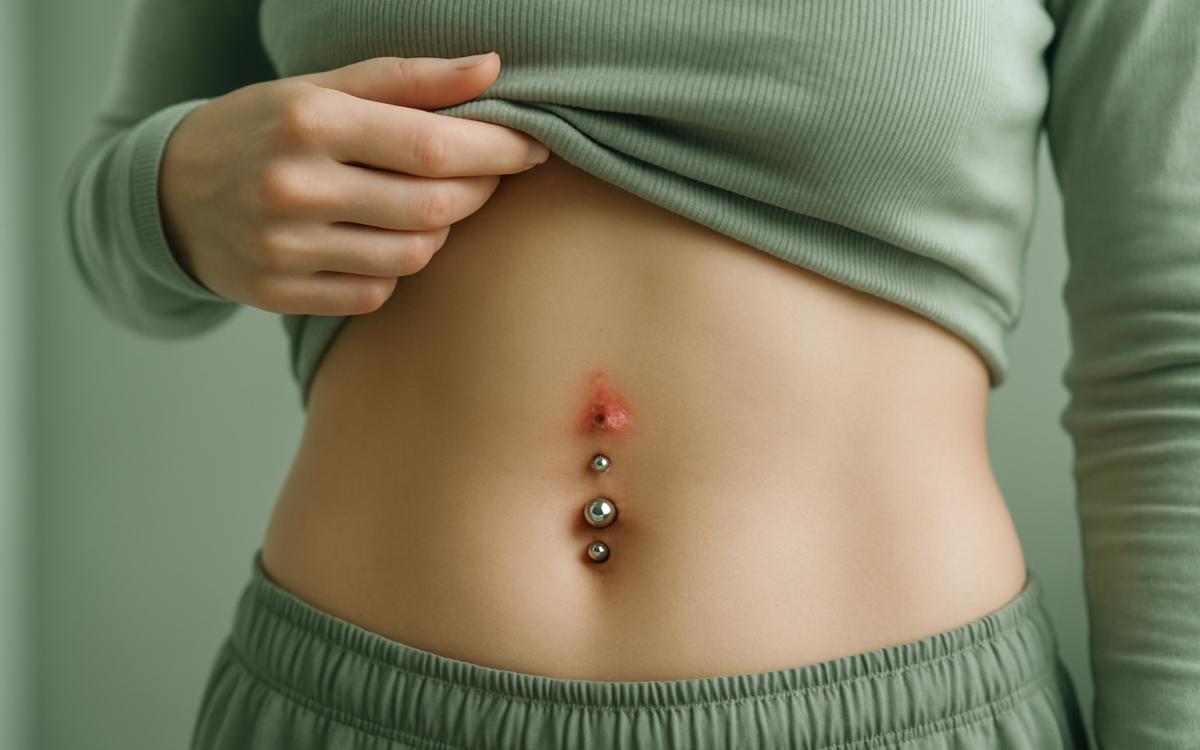
Belly piercings have been a popular form of body art for years, but like any piercing, they come with risks. One of the most concerning issues that can arise is piercing rejection. Understanding what this means, how to identify it, and what to do if it happens is key to enjoying your body art safely.
What is Piercing Rejection?
Piercing rejection occurs when the body gradually pushes the jewelry out, resulting in the hole becoming larger or the piercing closing up entirely. This phenomenon is the body’s natural reaction, often due to irritation, infection, or an unsuitable jewelry choice.
Signs of Belly Piercing Rejection
It’s important to watch for signs of rejection. The earlier you catch it, the easier it will be to manage. If you notice any of the following symptoms, you may be experiencing piercing rejection:
- Increasing Pain or Tenderness: While some discomfort is common after a piercing, sudden or increasing pain can indicate a problem.
- Redness or Swelling: An excessive amount of redness or swelling that doesn’t diminish with time may suggest rejection.
- Discharge: If the piercing is producing yellow, green, or foul-smelling discharge, you could have an infection, which can lead to rejection.
- Movement of the Jewelry: If you notice that the jewelry feels like it’s moving or changing position in the skin, this can indicate rejection.
- Enlarged Hole: If the piercing hole seems to be getting bigger, especially if it’s more pronounced on one side, your body may be trying to push the jewelry out.
Common Causes of Rejection
Several factors can contribute to the rejection of a belly piercing. Understanding these risks may help you prevent complications:
- Jewelry Material: Some materials can irritate the skin. Opt for hypoallergenic jewelry made from options like titanium or surgical steel.
- Piercing Technique: Proper technique and aftercare are crucial. An inexperienced piercer might not place the jewelry correctly, increasing the risk of complications.
- Body Reactions: Every body reacts differently. Some individuals may simply have more sensitive skin, making them more prone to rejection.
- Improper Aftercare: Neglecting proper aftercare routines can introduce bacteria, leading to infection and increasing the chances of rejection.
How to Care for a Belly Piercing
Taking good care of your belly piercing can reduce the risk of rejection. Here are some essential aftercare tips:
- Clean Regularly: Use a saline solution or a mild antiseptic to clean the area around your piercing twice a day.
- Avoid Touching: Keep your hands away from your piercing to prevent contamination. If you need to touch it, ensure your hands are clean.
- Be Mindful of Clothing: Tight clothes can irritate the piercing. Opt for loose-fitting garments until the area is fully healed.
What to Do if You Suspect Rejection
If you think your belly piercing is rejecting, here’s what you can do:
- Don’t Remove the Jewelry Immediately: It may be tempting to take out the jewelry, but doing so can cause the hole to close, trapping bacteria inside.
- Consult a Professional: Reach out to your piercer or a healthcare provider for advice. They can assess the situation and recommend the best approach.
- Follow Their Recommendations: If your provider suggests specific treatments or products, follow their guidance to promote healing.
When to See a Doctor
If you experience severe pain, excessive swelling, or notice signs of infection (such as fever or spreading redness), seek medical attention. Your doctor can provide treatment options that may include antibiotics or, in some cases, the removal of the jewelry if necessary. It’s crucial to address potentially serious issues promptly to ensure your overall health.
Conclusion
Belly piercing rejection can be disheartening, but understanding the signs and causes can help you take proactive measures. With proper care and attention, many people enjoy their piercings without complications. Remember to consult your healthcare provider for personalized guidance and to ensure a safe and healthy experience with your body art.
