
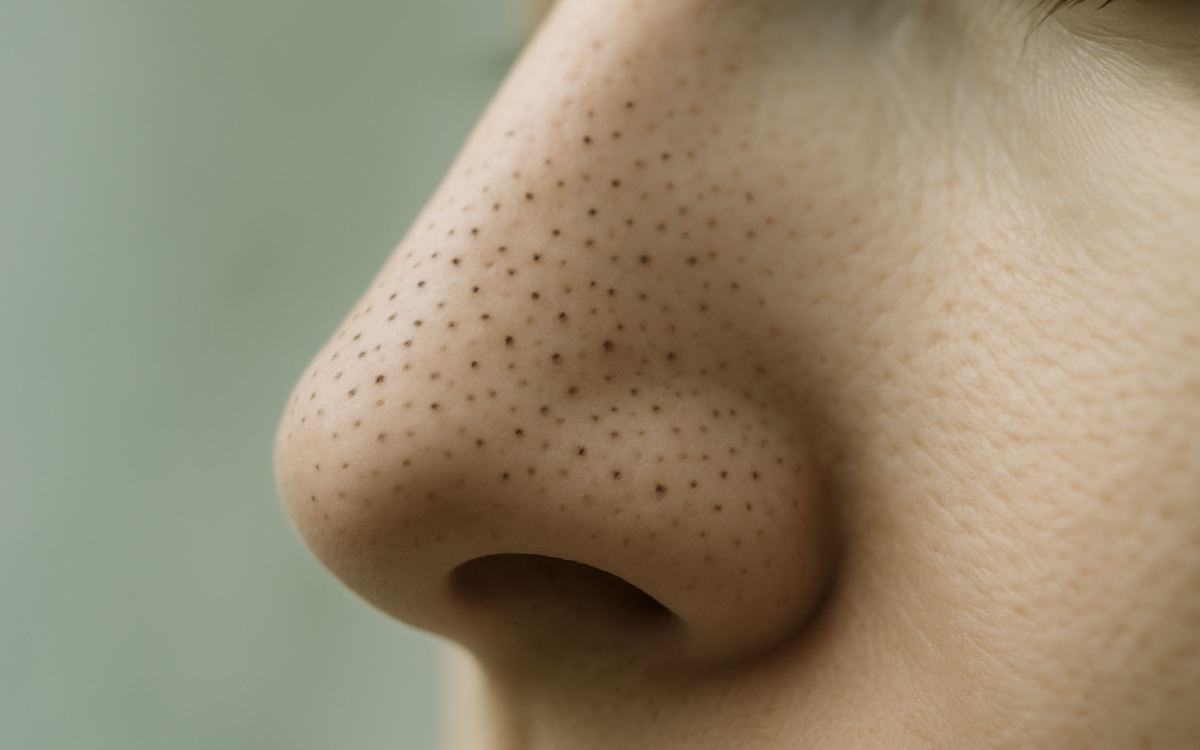
Blackheads on the nose can be a common yet frustrating skincare issue. These tiny black dots can appear at any age and are often a source of insecurity for many people. Understanding what blackheads are, how they develop, and what you can do to manage them can help you achieve clearer skin.
What Are Blackheads?
Blackheads are a type of acne that forms on the skin when hair follicles become clogged with oil, dead skin cells, and bacteria. Unlike whiteheads, which are covered by skin, blackheads have an open surface, which gives them their dark color. This dark appearance isn’t dirt; rather, it is due to a reaction between the oil and air, which leads to oxidation.
Causes of Blackheads on the Nose
Several factors can contribute to the formation of blackheads, particularly on the nose:
- Excess oil production: Your skin naturally produces oil (sebum), but some people produce more than others, leading to clogged pores.
- Pore blockages: Dead skin cells can build up on the surface of your skin and block pores, creating the perfect environment for blackheads.
- Hormonal changes: Fluctuations in hormones, especially during puberty, menstruation, or pregnancy, can increase oil production, resulting in more blackheads.
- Cosmetic products: Some skincare and makeup products can be too heavy or comedogenic (pore-clogging), contributing to blackhead formation.
- Environment: Pollution and dirt can settle on your skin, further increasing the chances of clogged pores.
How to Prevent Blackheads
While blackheads are common, there are several steps you can take to help prevent their formation:
- Cleanse regularly: Use a gentle cleanser to wash your face twice daily, ideally one that contains ingredients like salicylic acid, which can help unclog pores.
- Exfoliate: Regular exfoliation can help remove dead skin cells. Opt for chemical exfoliants like AHAs (alpha hydroxy acids) or BHAs (beta hydroxy acids) to avoid physical irritation.
- Use non-comedogenic products: Choose makeup and skincare products labeled as non-comedogenic, which means they’re less likely to clog pores.
- Moisturize: Even oily skin needs moisture. Use a lightweight, oil-free moisturizer to help balance your skin’s oil production.
- Avoid touching your face: Your hands can introduce oils and bacteria to your skin, so try not to rest your face in your hands or pick at existing blackheads.
How to Remove Blackheads Safely
If you already have blackheads on your nose, you might be tempted to pick at them. However, squeezing can lead to scarring or even infection. Here are some safer methods to consider:
- Over-the-counter products: Look for products containing salicylic acid or benzoyl peroxide, which can help dissolve the debris clogging pores.
- Pore strips: These can be effective for temporarily removing blackheads, but they don’t prevent them from coming back.
- Professional extraction: A dermatologist can perform blackhead extractions safely and effectively. This is recommended if you have persistent blackheads or acne concerns.
Common Myths About Blackheads
There’s quite a bit of misinformation around blackheads. Let’s debunk a few myths:
- Myth: Blackheads are caused by poor hygiene. Reality: While keeping your skin clean is important, blackheads can occur in anyone, regardless of skin cleanliness.
- Myth: You can scrub them away. Reality: Over-scrubbing your skin can irritate it and lead to more oil production, exacerbating the issue.
- Myth: They only affect teenagers. Reality: Blackheads can affect people of all ages, especially those with oily skin types.
When to See a Doctor
If you’re struggling with blackheads consistently and over-the-counter treatments aren’t helping, it may be time to consult a dermatologist. They can provide advice tailored to your skin type, recommend prescription treatments, or suggest professional procedures that can help.
Conclusion
Blackheads on the nose can be both common and manageable. Understanding their causes and the best care practices can empower you to take control of your skin health. While they can be an annoyance, a consistent skincare routine with the right products can help minimize their appearance and prevent new ones from forming.
For more information about acne and skin care, check resources like the NIH or the Mayo Clinic.
