
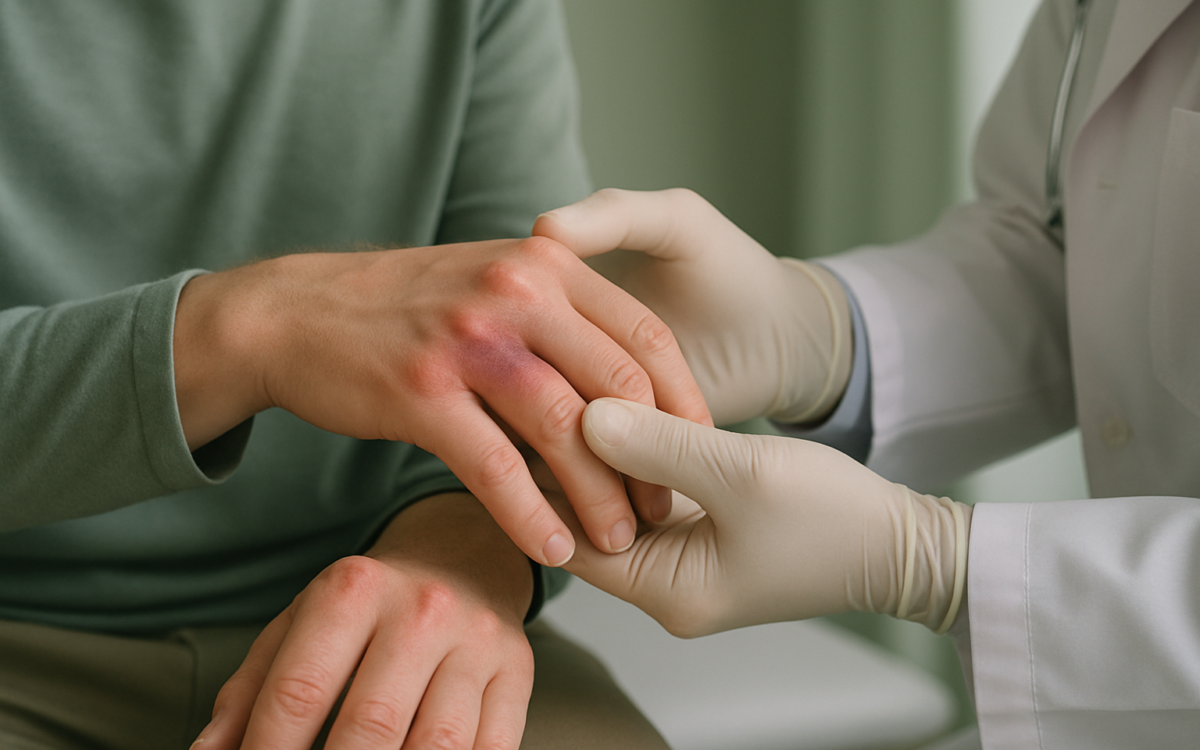
A broken knuckle, or finger fracture, can be more than just a minor inconvenience. It affects your ability to grip, perform daily activities, and can even cause discomfort long after the initial injury. Understanding the causes, symptoms, and recovery process can help you manage a broken knuckle effectively.
What Causes a Broken Knuckle?
Broken knuckles typically occur due to trauma or injury. Common causes include:
- Fist Fights: One of the leading causes, especially among young adults, is hitting a hard surface or another person’s jaw.
- Sports Injuries: Activities like basketball, football, or even skateboarding can lead to falls or impacts resulting in fractures.
- Accidents: Everyday mishaps, such as slamming your hand in a door or falling on an outstretched hand, can also result in broken knuckles.
Recognizing the Symptoms
Symptoms of a broken knuckle can vary depending on the severity of the injury. Common signs include:
- Pain: Immediate and intense pain in the affected knuckle is common right after the injury.
- Swelling: The knuckle may swell noticeably, making it difficult to move your fingers.
- Bruising: Discoloration can appear within hours or days as blood vessels break under the skin.
- Deformity: In some cases, the finger may appear misaligned or crooked, which is a sign of a more severe break.
Diagnosis of a Broken Knuckle
If you suspect you have a broken knuckle, seeking a medical diagnosis is vital. Doctors typically use several methods to confirm a fracture:
- Physical Examination: A healthcare provider will assess your hand and ask about how the injury occurred.
- X-rays: The most common imaging test, X-rays can reveal the presence and type of fracture.
- MRI or CT Scans: In some cases, doctors may request more advanced imaging to get a clearer view of the injury.
Treatment Options
Treatment for a broken knuckle depends on the severity and type of fracture. Some common treatment options include:
- Immobilization: Most minor fractures can be treated with a splint or cast to keep the knuckle stable.
- Pain Management: Over-the-counter pain relievers, like ibuprofen or acetaminophen, can help manage discomfort.
- Surgery: For severe breaks that misalign the bone, surgery might be necessary to properly realign and stabilize it.
Rehabilitation and Recovery
Recovery from a broken knuckle can take several weeks to months. Rehabilitation is crucial for a full recovery:
- Follow-Up Appointments: Regular check-ups with your doctor ensure the fracture is healing correctly.
- Physical Therapy: Engaging in physical therapy can help restore strength and flexibility to the finger.
- Home Care: Following your doctor’s advice about rest, ice, and elevating your hand can reduce swelling and promote healing.
Potential Complications
While many people heal fully from a broken knuckle, complications can occur. Some potential issues include:
- Chronic Pain: A minority of people may experience lingering pain or discomfort long after recovery.
- Stiffness: Limited mobility in the finger or hand can be an effect if not treated properly.
- Malunion or Nonunion: In rare cases, broken bones may not heal together correctly, leading to misalignment or failure to heal at all.
When to See a Doctor
It’s essential to seek medical attention if you experience:
- Severe pain that doesn’t improve with rest and over-the-counter medications.
- Signs of infection, such as fever or excessive swelling and redness.
- Persistent inability to move the finger or knuckle properly.
Conclusion
A broken knuckle can be a painful and inconvenient injury, but with proper knowledge and care, recovery is achievable. By understanding the symptoms and treatment options, you can navigate the healing process more effectively. Remember to consult with a healthcare provider if you experience a knuckle injury to ensure the best possible outcome.
