
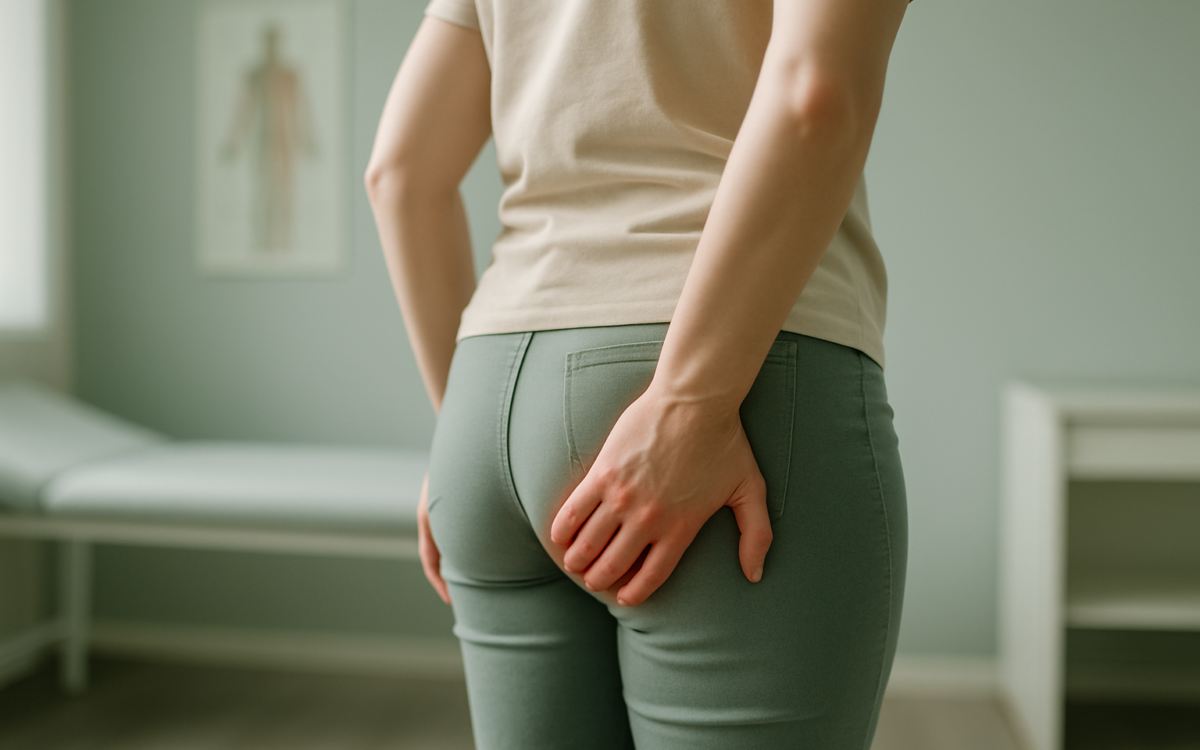
Feeling discomfort or pain in your bum can be surprisingly common, yet often goes unspoken. It’s not just a trivial issue; bum ache can affect your daily life, affecting your mobility and comfort at home or work. Whether it’s a dull pain or a sharp discomfort, knowing the reasons behind your bum ache can empower you to find relief.
Common Causes of Bum Ache
Bum ache can result from various factors, ranging from mild conditions to more serious issues. Let’s explore some of the most common causes.
1. Muscle Strain or Injury
One of the most frequent causes of bum ache is muscle strain or injury. This can happen due to overexertion, improper lifting techniques, or long periods of sitting. Activities like heavy exercise, particularly those that target the lower body, can also lead to soreness. When muscles become fatigued or overworked, they can tighten up, leading to pain.
2. Nerve Compression
Nerve compression, particularly in the lower back, can cause radiating pain that feels like bum ache. Conditions such as sciatica, which occurs when the sciatic nerve is pinched, create discomfort that starts in the lower back and travels down to the bum and legs. It’s essential to manage this type of pain carefully, as it can be exacerbated by certain movements or postures.
3. Hemorrhoids
Hemorrhoids, though often a sensitive topic, can lead to significant discomfort around the bum area. These swollen veins can cause pain during sitting, bowel movements, or even standing. If you notice other symptoms like itching, bleeding, or swelling, it’s best to consult a doctor for proper treatment options. For more information, you can visit the Mayo Clinic.
4. Sitting for Extended Periods
In today’s world, many people find themselves sitting for prolonged periods due to work or leisure activities. This can lead to discomfort or pain in the bum region. Poor posture can exacerbate this issue, putting additional strain on the back and surrounding muscles. Making small adjustments, like standing or stretching every hour, can help improve your comfort.
5. Conditions Affecting the Joints
Certain joint conditions, such as arthritis, can cause pain that radiates to the bum area. When inflammation occurs in the joints, it may lead to referred pain felt in surrounding muscles and tissues. If joint pain accompanies your bum ache, it’s crucial to monitor other symptoms and discuss them with your healthcare provider.
Symptoms to Watch For
While bum ache may seem straightforward, there are various symptoms to observe that can indicate the underlying cause. Here are a few to keep in mind:
- Type of Pain: Is the pain sharp, dull, or burning? Different descriptions can indicate different issues.
- Duration: How long have you been experiencing this pain? Short-term pain may be linked to strain, while chronic pain may need further evaluation.
- Location: Is the pain centralized in one area, or does it radiate? Radiating pain is often a sign of nerve involvement.
- Accompanied Symptoms: Do you have other symptoms like numbness, tingling, or changes during bowel movements? This information is crucial when discussing with a doctor.
Relief Strategies for Bum Ache
Experiencing bum ache can be uncomfortable, but there are several strategies to alleviate the pain. Here are some of the most effective options:
1. Stretching and Strengthening Exercises
Gentle stretching can relieve muscle tension and help reduce pain. Yoga poses such as the pigeon pose or child’s pose can be beneficial. Additionally, strengthening the core and glutes can stabilize the area and help prevent future discomfort.
2. Warm and Cold Therapy
Applying heat or cold to the affected area can ease discomfort. Heat therapy often loosens tight muscles and increases blood flow, while cold therapy reduces inflammation and numbs sharp pain. Experiment with both to find what works best for you.
3. Over-the-counter Pain Relief
Non-steroidal anti-inflammatory medications (NSAIDs) such as ibuprofen or naproxen can help manage pain and swelling. Always follow the recommended dosage instructions, and consult your doctor if you have any concerns.
4. Improve Posture
Improving your posture while sitting or standing can alleviate pressure on your muscles and spine. Consider ergonomic furniture or support pillows to enhance your comfort during long periods of sitting.
5. Take Breaks
If your daily routine involves sitting for long periods, be sure to take regular breaks to move around and stretch. Incorporating short walks can help reduce the risk of developing persistent bum ache.
When to See a Doctor
While many cases of bum ache resolve on their own or respond well to home care, certain symptoms should prompt a visit to your healthcare provider:
- Severe or worsening pain
- Symptoms persisting beyond a couple of weeks
- Pain accompanied by numbness or tingling in the legs
- Other concerning symptoms, such as significant changes during bowel movements or unexplained weight loss
Your doctor can conduct a thorough evaluation, determining the best course of action and rule out any serious conditions.
Conclusion
Bum ache, while often overlooked, can significantly impact your quality of life. Understanding potential causes and treatments can help you find relief and prevent future discomfort. Remember that while home remedies might provide comfort, it’s essential to consult your healthcare provider for persistent or severe symptoms to ensure your health remains a top priority.
