
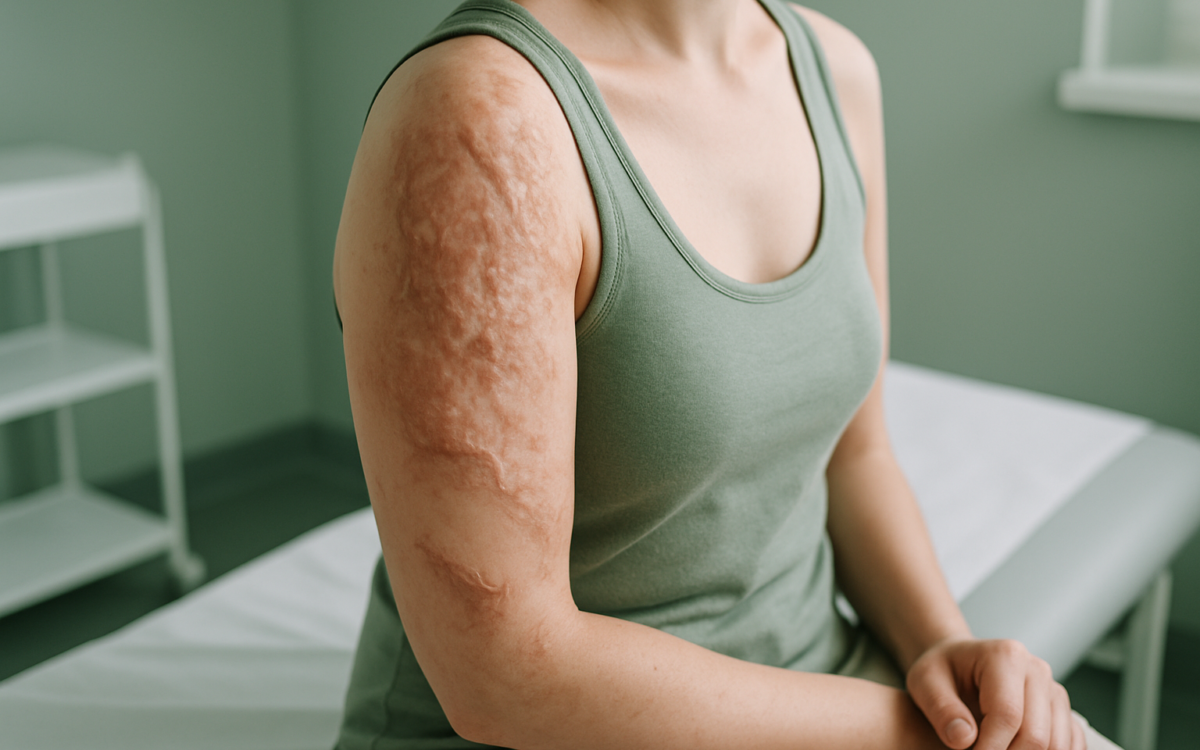
Burn scars can affect both the skin and the emotional well-being of those who suffer from them. Understanding the different types of burn scars and their treatment options can help in the healing process. In this article, we will explore the various kinds of burn scars, ways to care for them, and the treatments available to improve their appearance.
What Are Burn Scars?
Burn scars are areas of damaged skin that occur after a burn injury. When the skin is injured by heat, chemicals, electricity, or radiation, the body’s natural healing process can lead to scarring. Scarring can vary significantly based on the type and severity of the burn.
Types of Burns and Their Scarring
Burns are classified into three main types, each with its own potential for scarring:
- First-Degree Burns: These affect only the outer layer of skin (epidermis). They usually cause redness and mild swelling but typically do not result in scarring.
- Second-Degree Burns: These extend through the epidermis into the second layer of skin (dermis). They may cause blisters, swelling, and more pain. Scarring is possible, especially if the burn is deep.
- Third-Degree Burns: These burns damage all layers of skin and can affect underlying tissues. They may appear white, charred, or leathery. Scarring is almost certain, and extensive medical treatment is often required.
How Burn Scars Develop
When the skin heals after a burn, it may not regenerate perfectly. As the body repairs itself, collagen production increases, leading to the formation of scar tissue. Scar tissue is different from normal skin; it often has a different color, texture, and elasticity. The formation and appearance of a scar depend on various factors, including:
- The severity and depth of the burn
- Location of the burn on the body
- Individual skin type and genetics
- Age and overall health of the person
Caring for Burn Scars
Caring for burn scars is essential to support healing and minimize their appearance. Here are some general care tips:
- Keep the Area Clean: Gently wash the scar with mild soap and water to prevent infection.
- Moisturize: Apply a silicone gel or lotion to keep the scar hydrated. Moisturizers can help soften the scar and improve its appearance.
- Sun Protection: Protect burn scars from sunlight using sunscreen or clothing. Scars can darken when exposed to UV light.
- Gentle Massage: Once the scar is healed, gentle massage can help break down the scar tissue and improve elasticity. Consult with a healthcare provider about appropriate techniques.
Available Treatments for Burn Scars
If home care isn’t enough, several medical treatments can reduce the appearance of burn scars:
- Topical Treatments: Products containing silicone, vitamin E, or other ingredients may be recommended to help improve the texture of the scar.
- Laser Therapy: This technique uses focused light to reduce redness and improve the texture of the scar. Different types of lasers target different aspects of scar appearance.
- Microneedling: A procedure that creates tiny injuries in the skin to promote collagen production and may improve the scar’s appearance over time.
- Surgery: In some cases, surgical options may be considered to remove or revise severe scars.
Psychological Impact of Burn Scars
Burn scars can have psychological effects, leading to feelings of self-consciousness, anxiety, or depression. It’s essential to acknowledge the emotional toll that visible scars may take. Support from mental health professionals, support groups, or counseling can be incredibly beneficial.
When to See a Doctor
If you have sustained a burn that results in scarring, it is important to consult a healthcare professional, especially if:
- The burn is large or deep
- You experience increasing pain, redness, or swelling
- Your scar shows no signs of improvement after a few months
- You have concerns about the appearance of the scar or experience emotional distress
Conclusion
Burn scars are a common consequence of burn injuries, and understanding the types and treatment options available can help individuals manage their recovery effectively. With proper care, many people can improve the appearance of their scars and live comfortably. Always consult your healthcare provider for personalized advice and treatment options.
