
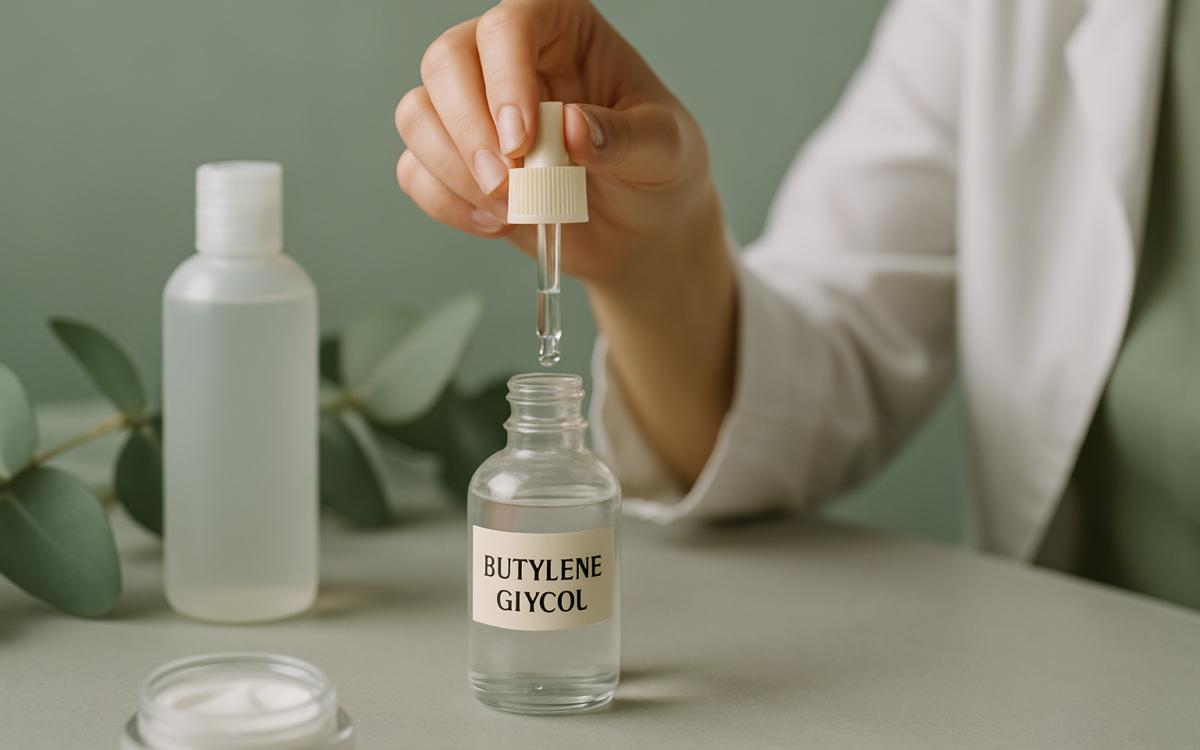
Butylene glycol is often found on the ingredient labels of many personal care products, from moisturizers to makeup. Despite its frequent use, many people are unsure about what it actually is and whether it’s safe for them. In this article, we explore the properties, benefits, and concerns regarding butylene glycol, so you can make an informed decision about the products you use.
What is Butylene Glycol?
Butylene glycol is a synthetic compound derived from petroleum. It is categorized as a diol, which means it is a type of alcohol with two hydroxyl (–OH) groups. In cosmetic and personal care products, it serves multiple purposes. Some of the most common roles include:
- Moisturizer: Helps to retain moisture in the skin.
- Solvent: Dissolves other ingredients for better consistency.
- Preservative: Extends shelf life by preventing microbial growth.
Where Do You Find Butylene Glycol?
You will often find butylene glycol in a variety of skincare and cosmetic products, including:
- Lotions and creams
- Makeup products
- Shampoos and conditioners
- Facial cleansers
The versatility of butylene glycol makes it a popular choice among formulators looking for effective and stable ingredients.
Benefits of Butylene Glycol
Butylene glycol offers several benefits when used in personal care products:
1. Hydration
One of the primary benefits of butylene glycol is its ability to hydrate the skin. By retaining moisture, it can help prevent dryness, making it a great ingredient for skincare products aimed at those with dry or dehydrated skin.
2. Enhanced Ingredient Performance
Butylene glycol can also improve the efficacy of other ingredients. As a solvent, it helps dissolve active ingredients, allowing them to better penetrate the skin and deliver benefits. This makes it particularly valuable in formulations that contain vitamins and antioxidants.
3. Skin Conditioning
In addition to hydration, butylene glycol acts as a skin conditioner. It leaves the skin feeling smooth and soft, enhancing the overall texture of the product.
Is Butylene Glycol Safe?
Many people worry about the safety of synthetic ingredients in cosmetics. According to the Centers for Disease Control and Prevention (CDC), butylene glycol is generally recognized as safe for use in cosmetics and personal care products. However, it is important to note that individual reactions can vary. Some people may experience skin irritation or allergic reactions, particularly if they have sensitive skin.
Possible Reactions and Considerations
While many people can use butylene glycol without any issues, there are certain groups who should be more cautious:
- People with Sensitive Skin: If you have a history of skin sensitivities or allergies, test products containing butylene glycol on a small patch of skin first.
- Those with Allergies: If you are allergic to butylene glycol or similar compounds, it’s best to avoid it altogether.
Consultation is Key
Before starting any new skincare routine or product, particularly if you have skin conditions such as eczema or psoriasis, it’s a good idea to consult with a dermatologist.
Consumer Awareness and Ingredient Labels
As consumers, being aware of what goes into our products is vital for making informed choices. Here are some tips on how to navigate ingredient labels:
- Read the Label: Familiarize yourself with the terms and ingredients. Look for not only butylene glycol but other potential allergens that might affect you.
- Research Products: Use reputable sources to look up the safety and efficacy of specific ingredients in the products you plan to use.
When to See a Doctor
If you notice redness, itching, or swelling after using a product containing butylene glycol, you should discontinue use and consult a healthcare professional. This is especially important if these symptoms persist or worsen over time.
Conclusion
Butylene glycol is a common ingredient in many personal care products, appreciated for its hydrating and conditioning properties. Understanding what butylene glycol is and its potential effects can help you make better choices regarding the products you use daily. As always, if you have concerns about your skin or specific reactions to products, don’t hesitate to reach out to a healthcare provider. Your skin deserves the best care possible!
