
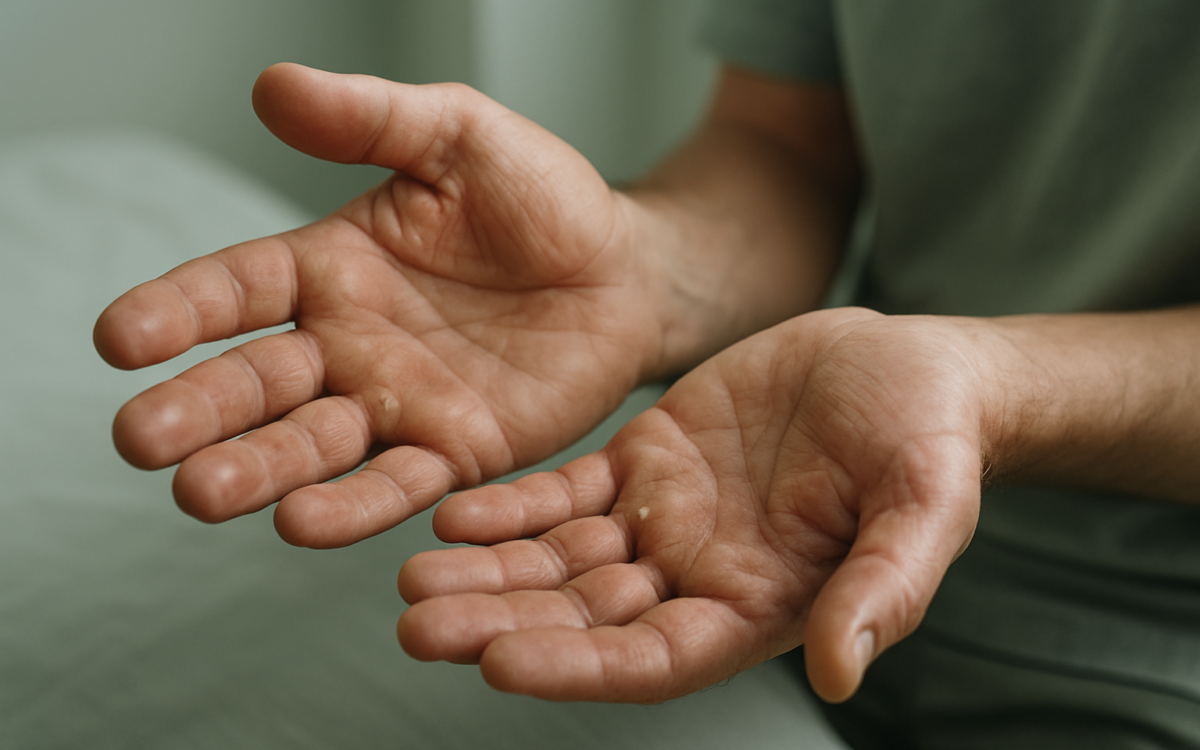
Have you ever noticed that your hands feel rough or look a bit different than they used to? If you’re seeing thickened patches of skin, you might be dealing with calloused hands. While calluses are often seen as a badge of honor for hard work, it’s important to understand what causes them and how to keep your skin healthy and comfortable.
What Are Calluses?
Calluses are thickened areas of skin that develop in response to repeated friction, pressure, or irritation. They form as a protective mechanism, serving to shield the underlying skin from damage. Research shows that calluses can appear on various parts of the body, but they are most commonly found on the hands and feet where skin is frequently exposed to wear and tear.
Common Causes of Calloused Hands
Calluses can develop for a variety of reasons. Here are some of the most common:
- Manual Labor: People who engage in work that requires heavy lifting, using tools, or any activity that subjects the hands to constant friction are likely to develop calluses over time.
- Sports Activities: Athletes, especially those involved in weightlifting or racquet sports, may develop calluses as their hands come into repeated contact with equipment.
- Musical Instruments: Musicians, particularly guitar players, often develop calluses on their fingertips due to the constant pressure of playing.
- Improperly Fitting Tools: Using tools or grips that don’t fit well can increase friction and lead to callous formation.
- Skin Conditions: Certain conditions, such as eczema or psoriasis, can also cause thickened skin patches that resemble calluses.
Symptoms of Calloused Hands
Callouses may be more than just tough skin. Common symptoms include:
- Rough or dry skin texture
- Thickened skin that may feel hard
- Discomfort or pain during manual tasks
- Discoloration, which may appear yellowish or gray
- In rare cases, cracks or fissures may develop if calluses become too thick
How to Care for Calloused Hands
Caring for calloused hands is important to maintain skin health and comfort. Here are some practical tips:
1. Soak and Exfoliate
Start by soaking your hands in warm water for about 10-15 minutes. This helps soften the skin. After soaking, gently exfoliate the callused areas with a pumice stone or gentle scrub to remove dead skin.
2. Moisturize Regularly
After exfoliation, apply a rich moisturizer or hand cream to keep your skin hydrated. Look for products that contain ingredients like urea, lactic acid, or glycerin, which are effective in keeping skin soft.
3. Use Protective Gear
If your work or hobbies expose your hands to the potential for calluses, consider using protective gloves. This can significantly reduce friction and prevent the development of tougher skin.
4. Adjust Your Techniques
For those involved in sports or manual labor, analyzing your grip techniques can be beneficial. Using the correct form can minimize pressure on specific areas of your hands.
5. Stay Hydrated
Drinking plenty of water can help keep your skin hydrated from the inside out, which minimizes the chances of becoming too dry or developing calluses.
Preventing Callouses
While some calluses may be unavoidable depending on your lifestyle or profession, there are several strategies you can incorporate to prevent them:
- Invest in well-fitting tools and sports equipment to reduce friction.
- Consider using padding on tools where your hands make contact.
- Regularly apply moisturizer, not just after exfoliating, but as part of your daily routine.
- Practice good hand hygiene; keep your hands clean and hydrated to promote overall skin health.
When to See a Doctor
While callouses are generally harmless, you should consult a doctor if you experience:
- Persistent pain or discomfort in your hands
- Signs of infection, such as redness or swelling
- Cracking or bleeding in the calloused areas
- Rapid changes in the appearance of your skin
Conclusion
Calloused hands are often a sign of hard work and dedication, but they can also be uncomfortable. By understanding what causes them and how to care for them, you can keep your hands healthy and pain-free. Remember, if you’re ever unsure or concerned about your skin, it’s always best to seek professional advice.
